

L-CARNITINA
Aporta energía y favorece el metabolismo de forma natural

L-CARNITINA
Purecium es un proveedor líder a nivel mundial de ingredientes de L-carnitina de alta pureza y sus derivados avanzados, diseñados para nutrición deportiva, apoyo cognitivo y formulaciones cardiovasculares. Con una capacidad de producción sintética de 1,500 MT/año, ofrecemos un suministro estable y a largo plazo para fabricantes por contrato, distribuidores y marcas finales. Nuestra L-carnitina con certificación ISO9001, Kosher, Halal y FSSC22000 está disponible para envío inmediato desde nuestros almacenes en EE. UU. (recogida en 2 días) o directamente desde nuestras plantas de fabricación en China.
Resumen para compradores: MOQ 25 kg; muestras gratis con COA; plazo de 7 a 15 días para calidades en stock; FOB Hong Kong / CIF / DDP; stock en Estados Unidos; recogida en 2 días para Norteamérica; COA / TDS / SDS por lote; respuesta en 12 horas hábiles. Cotización a solicitud y muestras enviadas a todo el mundo.
Nombre del producto: L-Carnitine (L-Carnitine Base)
Fórmula molecular: C₇H₁₅NO₃
Material de partida: Epichlorohydrin/Ethyl 4-chloroacetoacetate
Grado: Alimentario/Piensos
Metales pesados: USP/EP
Residuos de plaguicidas: USP/EP
Tamaño de envase: 25 kg/tambor
Derivados:
- Acetyl-L-Carnitine hcl
- L-Carnitine Hcl
- L-Carnitine L-Tartrate
- L-Carnitine Fumarate
- Propionyl Carnitine Hcl
- Glycine Propionyl Carnitine Hcl
CAS#: 541-15-1
Peso molecular:161.20 g/mol
Fuente: Sintético
Especificación: 97%-103% Titulación
País de origen: China
Disolvente residual: USP/EP
Libre de alérgenos/Sin gluten/No OMG/Vegano/Sin irradiación

Descripción general de la L-carnitina
La L-carnitina (CAS 541-15-1, fórmula molecular C7H15NO3, peso molecular 161.20 g/mol) es un compuesto de amonio cuaternario que transporta ácidos grasos de cadena larga a través de la membrana mitocondrial para la beta-oxidación, lo que la convierte en un componente central de la producción de energía celular.
Purecium suministra L-carnitina en polvo a granel de grado alimentario a fabricantes de complementos alimenticios, nutrición deportiva y alimentos funcionales en formas base, tartrato y fumarato, y cada forma se libera conforme a su propia especificación. En toda esta familia, el ingrediente se ofrece exclusivamente como enantiómero L, que es la forma fisiológicamente activa de la carnitina presente en los tejidos humanos y la única forma utilizada en los complementos alimenticios; las formas D y DL no se emplean en complementos porque carecen de esta actividad biológica, por lo que los equipos de formulación deben especificar siempre materia prima de L-carnitina en lugar de cualquier alternativa racémica para los productos acabados. Los formatos finales habituales van desde cápsulas y comprimidos hasta polvos en stick, sobres y granulados para bebidas listas para mezclar, y todos los formatos parten del mismo polvo a granel cualificado.
Fuente e identidad del ingrediente
La L-carnitina se produce comercialmente mediante síntesis química o biotransformación, y ambas rutas están diseñadas para obtener el enantiómero L en lugar de una mezcla racémica de isómeros. La producción comienza con materias primas definidas y avanza a través de etapas de reacción, purificación y cristalización que conservan la configuración levo; los criterios de identidad y valoración del polvo final siguen las monografías de la USP-NF y de la Farmacopea Europea para L-carnitina, lo que ofrece a los compradores una especificación objetiva con la que se cualifica cada lote. En la biotransformación, sistemas microbianos o enzimáticos cuidadosamente seleccionados llevan a cabo la etapa asimétrica, mientras que la síntesis química se basa en la resolución o en la catálisis asimétrica, y ambas vías están validadas para garantizar la reproducibilidad en sucesivas campañas de producción.
La familia de la L-carnitina comprende cuatro materiales relacionados que los compradores deben distinguir al adquirir la materia prima. La L-carnitina base es el polvo higroscópico libre y aporta el mayor contenido de carnitina por gramo de material; el tartrato de L-carnitina une dos moléculas de carnitina al ácido tartárico y es la forma más habitual en fórmulas deportivas; el fumarato de L-carnitina combina el nutriente con ácido fumárico y aparece en productos orientados a la salud cardiovascular; y la acetil-L-carnitina es el derivado acetilado utilizado en líneas de productos cognitivos y de envejecimiento saludable. Cada sal tiene su propia solubilidad, comportamiento frente a la humedad, perfil de sabor y contribución al peso de la dosis, y toda la familia se mantiene bajo un único programa de proveedores cualificados con documentación armonizada. Por tanto, los formuladores adecuan la forma a la declaración de la etiqueta, al sistema de administración y al consumidor objetivo, en lugar de tratar a la familia como intercambiable.
Características clave de la L-carnitina
El ingrediente combina las características que más importan a los científicos de formulación: un polvo cristalino blanco con alta solubilidad en agua, valoración conforme a la monografía aplicable de la USP-NF o de la Farmacopea Europea, bajo contenido de disolventes residuales dentro de los límites de la USP y contenido controlado de metales pesados. La forma base es higroscópica y debe protegerse de la humedad atmosférica durante el almacenamiento y el procesamiento, mientras que el tartrato de L-carnitina es notablemente más estable en condiciones de humedad ambiental, razón por la cual el tartrato es la opción predeterminada para polvos deportivos, comprimidos y programas de producción de gran volumen en regiones húmedas. En comparación directa, la base se disuelve libremente en agua mientras que el tartrato ofrece una excelente fluidez y comportamiento de compresión en la elaboración de comprimidos, por lo que las dos formas suelen acabar en formatos de dosificación bastante diferentes.
Desde el punto de vista funcional, la L-carnitina es la molécula transportadora que traslada los ácidos grasos de cadena larga a través de la membrana mitocondrial interna, donde la betaoxidación los convierte en energía celular utilizable; este papel de transporte es contenido habitual en los marcos de referencia de bioquímica y de las ciencias del deporte empleados en la industria de los complementos alimenticios. Dado que el compuesto es soluble en agua y bien tolerado, los formuladores lo utilizan en cápsulas, comprimidos, sobres, sticks de polvo y premezclas para bebidas; además, se confirman la valoración y la pureza enantiomérica de cada lote para que los productos terminados aporten de forma constante la forma L activa en los niveles declarados. Las marcas también combinan la L-carnitina con vitaminas del grupo B y activos de apoyo energético para completar las declaraciones metabólicas, y el polvo es compatible con los excipientes estándar en las líneas de fabricación convencionales.
Fabricación de L-carnitina
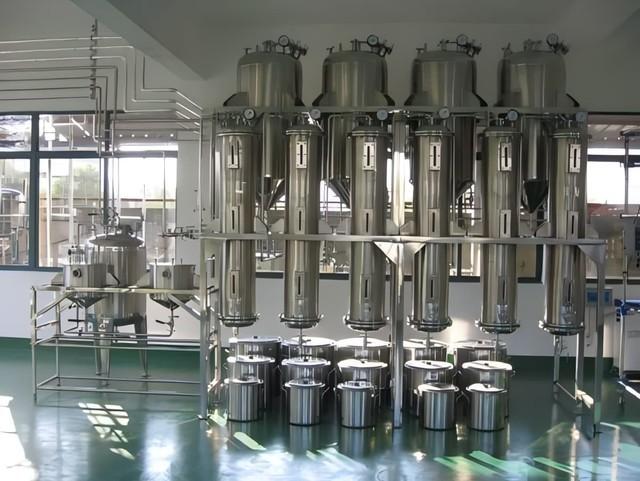
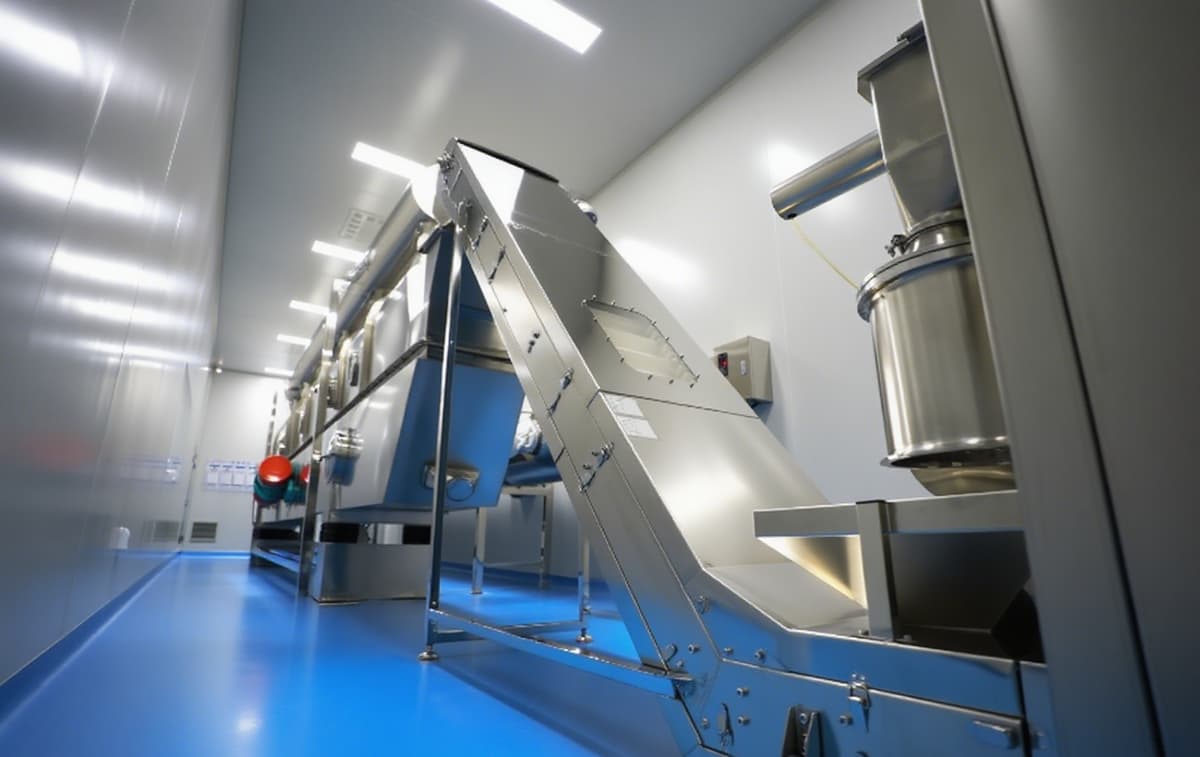
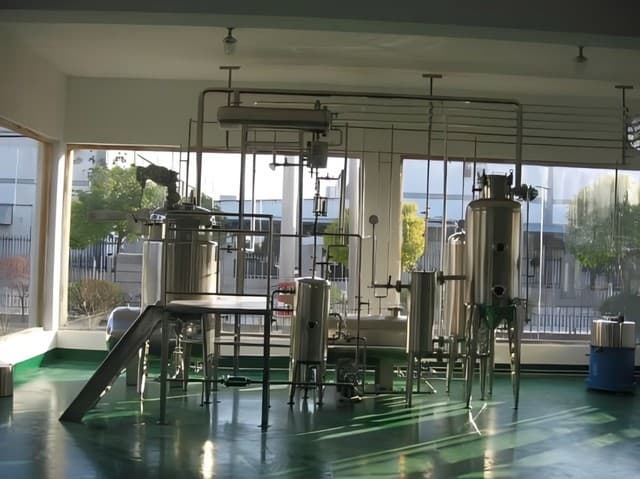
La L-carnitina se fabrica mediante síntesis química controlada o biotransformación que produce el enantiómero L, seguida de purificación, concentración y cristalización para eliminar impurezas del proceso e isómeros subproductos. Dado que la base libre absorbe humedad con facilidad, la línea de proceso opera en condiciones de baja humedad y cada etapa de cristalización y secado está diseñada para preservar la configuración levo, de modo que el polvo final cumpla tanto los objetivos de valoración como de pureza óptica de la especificación de liberación antes del envasado.
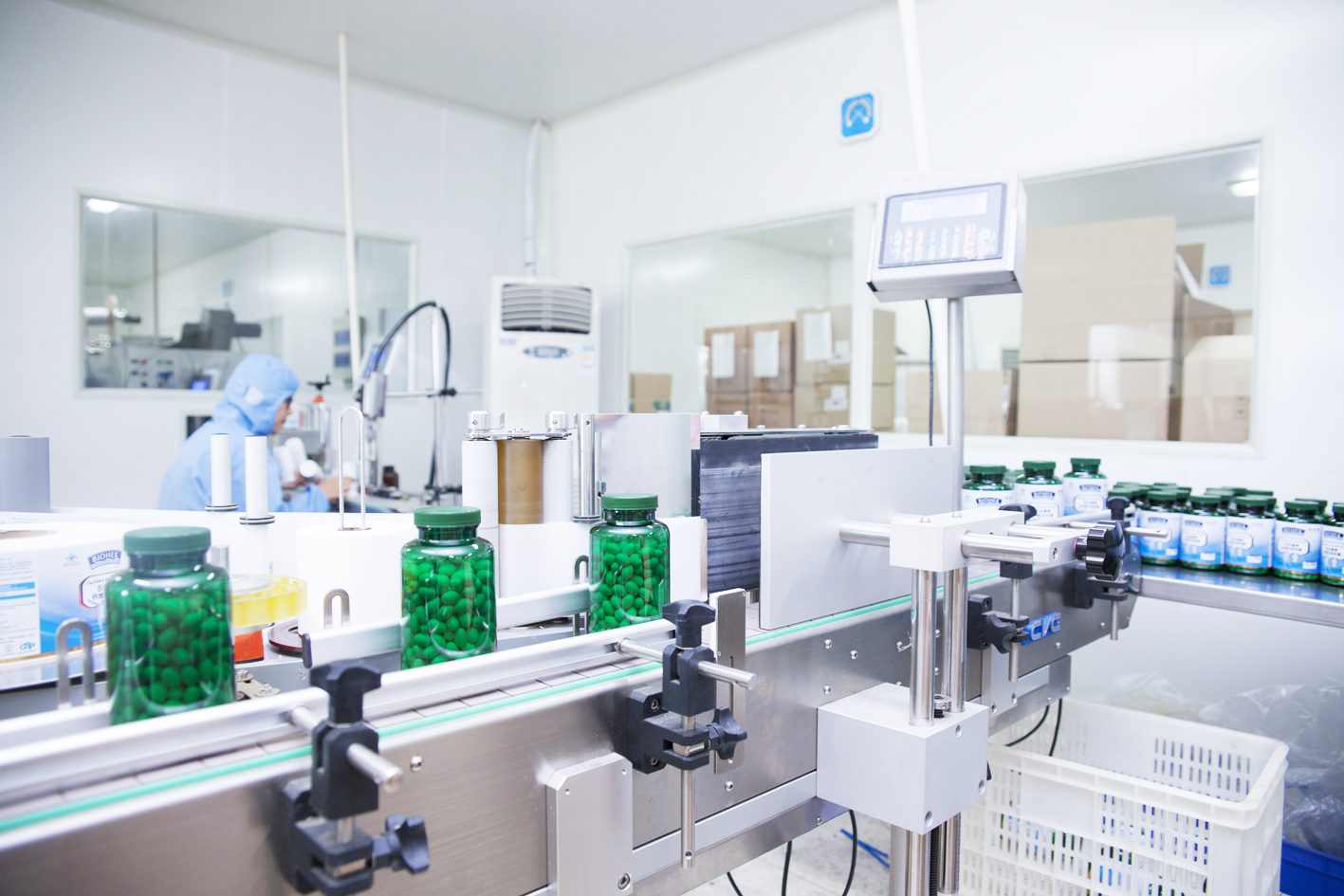
Tras el secado, el producto cristalino se muele hasta un tamaño de partícula homogéneo, se mezcla para lograr la homogeneidad del lote y se envasa en condiciones secas en bidones de fibra de grado alimentario con doble revestimiento de polietileno para evitar la entrada de humedad durante el almacenamiento y el transporte. Los programas de estabilidad siguen las directrices de estabilidad ICH y cubren una vida útil estándar de 24 meses, con datos de estabilidad acelerada disponibles para respaldar los expedientes de registro de los clientes en mercados regulados; además, se conservan muestras de retención durante dos años para que cualquier reclamación posterior pueda investigarse con respecto al lote físico. El envase se selecciona en función del clima de destino y se ofrecen opciones de barrera contra la humedad para mercados tropicales y de alta humedad.
Aplicaciones de la L-carnitina
Las marcas de complementos alimenticios y los fabricantes por contrato utilizan la L-carnitina en cuatro grupos principales de aplicaciones. En primer lugar, productos para el metabolismo de los ácidos grasos y la energía, donde el transporte de ácidos grasos de cadena larga al interior de las mitocondrias para la betaoxidación aparece referenciado en investigaciones metabólicas revisadas por pares e indexadas por la Biblioteca Nacional de Medicina de los Estados Unidos. En segundo lugar, nutrición deportiva y recuperación, donde el tartrato de L-carnitina es habitual en fórmulas preentreno, intraentreno y de recuperación orientadas al apoyo a la resistencia y al entrenamiento. En tercer lugar, bienestar cardíaco y vascular, a partir de una tradición de investigación clínica que estudia la carnitina en el metabolismo energético del miocardio. En cuarto lugar, el envejecimiento saludable y el posicionamiento cognitivo, donde la acetil-L-carnitina aparece en la investigación sobre la energía cerebral y en conceptos de producto de apoyo a la memoria. En los cuatro grupos, una única materia prima de L-carnitina cualificada puede servir para varios conceptos de producto, lo que simplifica la cualificación para carteras de marca con múltiples SKU.
Los puntos de referencia normativos y científicos proceden de fuentes institucionales y no de declaraciones comerciales: los criterios de identidad y valoración siguen las monografías de la USP-NF y de la Farmacopea Europea, y organismos como la Autoridad Europea de Seguridad Alimentaria han revisado la L-carnitina en el contexto del metabolismo energético, el rendimiento físico y la fatiga. Fuentes institucionales como los Institutos Nacionales de Salud también publican información de referencia disponible públicamente sobre la carnitina que los equipos de desarrollo de producto pueden consultar a la hora de elaborar una comunicación basada en la ciencia. Las dosis finales típicas de L-carnitina que aparecen en las fórmulas comerciales son de 500-2000 mg al día, con el tartrato más habitual en productos deportivos, mientras que cada marca determina las cantidades finales por toma mediante su propia revisión normativa y el cumplimiento del etiquetado.
Fabricación y control de calidad
Cada lote comercial de L-carnitina de Purecium se produce bajo sistemas de gestión de calidad certificados conforme a las normas ISO 9001 y FSSC22000 en instalaciones conformes a las cGMP y con controles HACCP. Los análisis del producto terminado incluyen la valoración según monografía, la pureza enantiomérica verificada mediante HPLC quiral para confirmar el contenido de la forma L, la pérdida por desecación, metales pesados dentro de los límites de la USP, incluido plomo por debajo de 1 ppm y mercurio por debajo de 0.1 ppm, disolventes residuales según la USP y un panel microbiológico completo aplicado a cada lote antes de su liberación. Los métodos están documentados y validados, y la unidad de calidad revisa cada registro de lote frente a la especificación aprobada antes de autorizar el envío.
Cada envío se libera con un certificado de análisis que documenta todos los parámetros medidos, acompañado de la ficha de datos de seguridad, la declaración de alérgenos, la verificación de ausencia de OMG y el certificado libre de EEB/EET. Las certificaciones Kosher y Halal respaldan la distribución en los segmentos del mercado religioso, la trazabilidad integral de lotes permite a los clientes auditar los registros de materias primas y de proceso, y la documentación de estabilidad con resúmenes de validación de métodos se suministra previa solicitud para agilizar el registro del producto terminado ante las autoridades nacionales. Los certificados y resúmenes también se preparan en formatos que cumplen los requisitos de documentación habituales para exportadores en la UE, el Reino Unido y Norteamérica.
L-Carnitina para la fabricación B2B de complementos alimenticios
Purecium presta servicio a distribuidores de complementos alimenticios, fabricantes por contrato (OEM/ODM) y propietarios de marcas finales con L-carnitina base, L-carnitina tartrato y L-carnitina fumarato a granel, con un MOQ estándar de 25 kg por forma. Las opciones logísticas incluyen transporte aéreo, cargas de contenedores marítimos (FCL/LCL) y envío urgente por mensajería, con soporte de almacenamiento en Estados Unidos para el reabastecimiento rápido de las líneas de producción de Norteamérica y exportación directa desde China para clientes de la UE, del Reino Unido y del resto del mundo. Los programas de contenedores combinados permiten a los compradores combinar L-carnitina con otros ingredientes de Purecium en un mismo envío para optimizar el coste del flete por kilogramo.
Los socios comerciales reciben precios escalonados por volumen, muestras a escala piloto para evaluación de I+D, orientación sobre la selección de la forma entre base, tartrato o fumarato e inteligencia de mercado proactiva sobre tendencias de materias primas. Purecium atesora más de 15 años de experiencia en exportación de nutracéuticos y cuenta con un equipo dedicado de gestión de cuentas B2B que coordina la documentación COA, los trámites aduaneros y los expedientes regulatorios para mantener los plazos de lanzamiento según lo previsto. Revisado por el especialista jefe de Garantía de Calidad / Asuntos Regulatorios de Purecium para comprobar la precisión técnica y la conformidad normativa.
¿Cómo se compara la L-carnitina a granel con el L-tartrato de L-carnitina, la acetil-L-carnitina y la propionil-L-carnitina en términos de formulación, dosificación y regulación?
La L-carnitina es la forma base, suministrada como una sal interna altamente soluble en agua e higroscópica. Su número CAS es 541-15-1. En el manejo a granel, normalmente se estandariza a un ensayo mínimo del 98% y está disponible como polvo cristalino o granulación. Debido a que es higroscópica, requiere envases con barrera contra la humedad y humedad relativa controlada durante la mezcla. Las dosis diarias típicas en productos terminados oscilan entre 500 mg y 2.000 mg, a menudo divididas en dos o tres tomas. Es la forma más rentable por kilogramo de carnitina activa y se utiliza en nutrición deportiva, energía y formulaciones de bienestar general. El L-tartrato de L-carnitina (CAS 36687-82-8) es una sal de L-carnitina con ácido tartárico, que normalmente proporciona alrededor del 68% de L-carnitina en masa. Es menos higroscópico que la forma base y a menudo se elige para mezclas secas y comprimidos donde la sensibilidad a la humedad es una preocupación. Las dosis típicas son de 1.000–2.000 mg de la sal, correspondientes a aproximadamente 680–1.360 mg de L-carnitina. La acetil-L-carnitina (CAS 3040-38-8) es un derivado acetilado con mayor lipofilia y farmacocinética diferente; se utiliza en posicionamiento cognitivo y neurológico a dosis de 500–2.000 mg. La propionil-L-carnitina (CAS 17298-37-2) es un éster propionílico estudiado en contextos de metabolismo cardiovascular y muscular, generalmente dosificado a 500–1.500 mg. Desde el punto de vista de la formulación, la forma base es la fuente más económica de carnitina pero exige un control de humedad más estricto. El tartrato ofrece mejor estabilidad en el manejo en seco. La acetil-L-carnitina y la propionil-L-carnitina son formas especializadas con consideraciones regulatorias y de etiquetado distintas. En la UE, la L-carnitina y sus sales están permitidas en alimentos y complementos alimenticios; la acetil-L-carnitina y la propionil-L-carnitina tienen un estatus más restringido o específico de cada Estado miembro. En EE. UU., las cuatro se comercializan como ingredientes dietéticos, pero las declaraciones de estructura/función deben estar fundamentadas. La documentación para el suministro a granel normalmente incluye certificado de análisis, hoja de datos de seguridad, declaración de alérgenos y, cuando corresponda, certificados halal o kosher.Comparación en tabla.
La tabla siguiente recoge los parámetros que determinan cómo se especifica, dosifica y documenta cada material en una formulación acabada.Parámetro
L Carnitina
L-tartrato de L-carnitina
Acetil-L-carnitina
Número CAS
541-15-1
36687-82-8
3040-38-8
Clase química
Sal interna de amonio cuaternario
Sal de tartrato de carnitina
Éster de carnitina acetilado
Dosis típica
500–2.000 mg/día
1.000–2.000 mg/día
500–2.000 mg/día
Solubilidad
Muy soluble en agua
Soluble en agua
Soluble en agua
Estabilidad
Higroscópica; proteger de la humedad
Menos higroscópica; estable en mezclas secas
Higroscópica; almacenar en lugar fresco y seco
Situación regulatoria
Forma permitida en alimentos/complementos
Forma permitida en alimentos/complementos
Restringida en algunos mercados
Forma de suministro
Polvo cristalino o granulación
Polvo cristalino
Polvo cristalino
Documentación
CoA, SDS, declaración de alérgenos
CoA, SDS, declaración de alérgenos
CoA, SDS, declaración de alérgenos
Compra de L-carnitina para España y América Latina
Purecium suministra L-carnitina a granel para fabricantes por contrato (CDMO), distribuidores de ingredientes y marcas propias en España, México, Argentina, Chile, Perú, Colombia y Uruguay. MOQ estándar de 25 kg, muestras gratuitas con COA, plazo de 7 a 15 días para calidades en stock y atención comercial en español con respuesta en 12 horas hábiles; las condiciones de pago (50 % de anticipo y 50 % contra documentos de embarque) y los Incoterms (FOB Hong Kong, CIF o DDP) son negociables según volumen e historial.
Para el trámite de registro sanitario entregamos el paquete documental (COA por lote, ficha técnica/TDS, FDS y certificados GMP, ISO 9001, FSSC 22000, Kosher y Halal): control de calidad y documentación · fabricación por contrato (OEM/ODM) · solicitar cotización.
Revisado por el jefe de Garantía de Calidad / especialista en Asuntos Regulatorios.
Logística y registro sanitario de la L-carnitina para América Latina
Purecium exporta la L-carnitina a granel a México, Colombia, Perú, Chile, Argentina y otros mercados latinoamericanos. Los pedidos se despachan desde Hong Kong por vía aérea o marítima (contenedor completo o consolidado), según el Incoterm acordado (FOB Hong Kong, CIF o DDP); el tránsito hasta el puerto de destino, los requisitos de importación y los aranceles se confirman en cada cotización.
Para el registro sanitario local, los fabricantes y distribuidores presentan la documentación técnica ante la autoridad de su país: COFEPRIS en México, INVIMA en Colombia, ANMAT en Argentina, ISP en Chile y DIGEMID en Perú. Con cada lote entregamos COA, ficha técnica (TDS), FDS y certificados GMP, ISO 9001, FSSC 22000, Kosher y Halal; la atención comercial es en español, con respuesta en 12 horas hábiles.
L-Carnitina Base
L-carnitina 100% pura biológicamente activa. Altamente higroscópica.
Ingrediente base para formulaciones metabólicas especializadas y líquidas.
L-Carnitina Tartrato
Proporción 2:1 de L-carnitina a ácido tartárico. Excelente estabilidad, resiste la absorción de humedad.
Nutrición deportiva, comprimidos preentrenamiento y complementos alimenticios para el metabolismo de las grasas.
Acetil-L-carnitina (ALC)
Forma acetilada capaz de atravesar la barrera hematoencefálica.
Complementos alimenticios para el apoyo cognitivo, la neuroprotección y la memoria destinados a poblaciones de edad avanzada.
Propionil-L-carnitina (PLC)
Aumenta los niveles de óxido nítrico para mejorar la circulación sanguínea.
Complementos alimenticios dirigidos a la salud cardiovascular y vascular periférica.
Glicina Propionil-L-Carnitina (GPLC)
Combinación sinérgica de PLC y glicina para un impulso máximo de óxido nítrico.
Fórmulas premium para bombeo muscular preentrenamiento y rendimiento en el ejercicio.
Fumarato de L-carnitina
Combina L-carnitina con ácido fumárico (un intermediario del ciclo TCA).
Fórmulas energéticas y complementos alimenticios contra la fatiga.
Soluciones de formulación & pureza quiral
Superación de la higroscopicidad en la fabricación La L-carnitina es inherentemente higroscópica. Para la estabilidad del producto terminado, recomendamos encarecidamente formular con tartrato de L-carnitina para formas farmacéuticas sólidas. Para aplicaciones avanzadas, apoyamos la fabricación de cápsulas duras (de gelatina o de origen vegetal) y de L-carnitina liposomal/microencapsulada para crear una barrera de humedad sellada, evitar la formación de grumos y garantizar la biodisponibilidad a largo plazo.
Pureza estereoisomérica (configuración "L") La carnitina existe en dos estereoisómeros. El organismo humano solo reconoce la forma levógira ("L") para transportar los ácidos grasos al interior de las mitocondrias. La forma "D" es fisiológicamente inactiva y competitiva. Purecium garantiza la producción de L-carnitina estrictamente biológicamente activa.
Síntesis química avanzada Garantizamos un suministro constante y precios competitivos mediante dos rutas de síntesis principales:
- Ruta de la epiclorhidrina: Altamente escalable y rentable, ideal para complementos alimenticios a granel.
- Ruta del 4-cloroacetoacetato de etilo: Ofrece una estereoselectividad excepcional y produce una pureza ultraalta para formulaciones clínicas especializadas y de grado farmacéutico.