

NAD (nicotinamida adenina dinucleótido)
Mejore el metabolismo y promueva la longevidad
Suministro global B2B de materias primas premium NMN&NAD⁺
Purecium es un proveedor B2B líder a nivel mundial de dinucleótido de nicotinamida y adenina (NAD / NAD⁺) de alta pureza. Como coenzima fundamental presente en todas las células vivas, el NAD es la piedra angular de la producción de energía celular (ATP), la reparación del ADN y la activación de las sirtuinas. Suministramos materias primas de NAD de grado alimentario ultrapuras, específicamente adaptadas para fabricantes por contrato (OEM/ODM) y marcas finales que desarrollan fórmulas avanzadas antienvejecimiento, de salud cognitiva y de apoyo metabólico.
Resumen para compradores: MOQ 25 kg; plazo de 7 a 15 días para calidades en stock; FOB Hong Kong / CIF / DDP; stock en Estados Unidos; COA / TDS / SDS por lote; respuesta en 12 horas hábiles. Cotización a solicitud y muestras enviadas a todo el mundo.
Nombre del producto: NAD (nicotinamida adenina dinucleótido)
Fórmula molecular: C₂₁H₂₇N₇O₁₄P₂
Material de partida: nicotinamida
Grado: grado alimentario
Metales pesados: USP/EP
Residuos de plaguicidas: USP/EP
Tamaño de envase: 20/25 kg/bidón
Producto disponible:
- NAD (nicotinamida adenina dinucleótido
- Nicotinamida adenina dinucleótido (forma reducida)
- NAD liposomado
- NMN (mononucleótido de nicotinamida)
- NR HCL
CAS#: 53-84-9
Peso molecular: 663.43 g/mol
Fuente: Síntesis enzimática
Especificación: 98% HPLC
País de origen: China
Disolvente residual: USP/EP
Sin alérgenos/Sin gluten/No-GMO/Vegano/Sin irradiación

Descripción general del NAD+
El dinucleótido de nicotinamida y adenina (NAD+, CAS 53-84-9, fórmula molecular C21H27N7O14P2, peso molecular 663.43 g/mol) es una coenzima celular central que transporta electrones en el metabolismo redox y actúa como sustrato de las familias de enzimas sirtuina y PARP. La forma beta oxidada del dinucleótido es la identidad de referencia indexada por PubChem (CID 5892) y es la especie más ampliamente tratada en las categorías de envejecimiento saludable, energía celular y apoyo cognitivo de la industria de los complementos alimenticios. En la bioquímica celular, el NAD+ alterna con su forma reducida NADH para transportar equivalentes de reducción a través de la glucólisis, el ciclo de Krebs y la fosforilación oxidativa.
Purecium suministra polvo a granel de NAD+ de grado alimentario en dos grados comerciales: un grado cristalino estándar de alta pureza para cápsulas, comprimidos y sobres, y un polvo de NAD+ de grado liposomal que se procesa y caracteriza para garantizar la compatibilidad con sistemas de encapsulación liposomal. La producción se lleva a cabo mediante síntesis enzimática a partir de precursores de alta pureza, en lugar de extracción de biomasa de levadura, lo que proporciona a los equipos de formulación una coenzima oxidada reproducible con identidad documentada, valores de ensayo estrictos y un perfil de impurezas limpio y consistente en todos los lotes de producción. Ambos grados están cualificados dentro de un único programa de proveedor, lo que simplifica las auditorías de proveedores y la gestión de especificaciones para los compradores, y se comparten datos comparativos entre grados para que el peso de la dosis y el posicionamiento en la etiqueta puedan planificarse antes del escalado.
Fuente e identidad del ingrediente
En el mercado de materias primas para complementos alimenticios, el NAD+ se inscribe dentro de una familia más amplia de moléculas de nicotinamida relacionadas, y los compradores comparan habitualmente estas moléculas al diseñar productos energéticos y de longevidad. El NADH es la forma reducida del mismo dinucleótido y transporta el par de electrones en los ciclos metabólicos; el NMN (mononucleótido de nicotinamida, C11H15N2O8P) es un precursor biosintético directo del NAD+; y el NR (ribósido de nicotinamida) es un precursor adicional que entra en la vía de salvamento antes de la conversión a la coenzima. Cada miembro de la familia presenta un estado de oxidación, un peso molecular y un perfil de estabilidad propios, por lo que cada uno se cualifica, etiqueta y documenta según su propia especificación en lugar de venderse indistintamente.
La identidad del NAD+ de Purecium se sustenta en el número de registro CAS 53-84-9, la fórmula molecular C21H27N7O14P2 y el peso molecular de 663.43 g/mol para el beta-nicotinamida adenina dinucleótido oxidado. El material de partida se produce mediante síntesis enzimática a partir de nicotinamida de alta pureza y precursores nucleotídicos, una vía seleccionada por su selectividad hacia el anómero beta biológicamente activo y por la ausencia de reactivos químicos agresivos. El polvo final se libera en grados estándar y liposomal bajo marcos de calidad alineados con la USP-NF y la Farmacopea Europea para ingredientes alimentarios y de complementos alimenticios, y la identidad se confirma mediante métodos cromatográficos y espectroscópicos antes de su liberación.
Características clave del NAD+
El polvo a granel de NAD+ es un sólido cristalino de color blanco a blanquecino que combina las características que los formuladores esperan de una materia prima nucleotídica de primera calidad: alta pureza de ensayo confirmada por HPLC, disolventes residuales dentro de especificación y metales pesados controlados con plomo por debajo de 0.5 ppm, arsénico por debajo de 3 ppm, cadmio por debajo de 1 ppm y mercurio por debajo de 0.1 ppm medidos en cada lote de producción. El grado estándar fluye de forma fiable en el procesado de cápsulas y comprimidos, mientras que el material de grado liposomal está molido y caracterizado para sistemas de administración liposomal en los que la coenzima sensible está protegida de la humedad y la oxidación durante la encapsulación. Ambos grados se envían con la misma documentación de identidad y programa de muestras retenidas.
Funcionalmente, el NAD+ es la coenzima oxidada en el centro del equilibrio redox celular: acepta electrones en reacciones catabólicas, regenera NADH y sirve como sustrato consumido para las familias de enzimas sirtuina y PARP, que son fundamentales para la investigación sobre la energía celular y la biología del envejecimiento. Debido a que los nucleótidos son higroscópicos y sensibles a la luz, el polvo se seca conforme a una especificación estricta de humedad y se envasa en condiciones de baja humedad y protegido de la luz, y se recomienda a los usuarios mantener los bidones sellados por debajo de 25°C en un almacenamiento seco y alejado de la luz solar. Las características de manipulación, los límites de humedad y las notas de fotoestabilidad están documentados en el archivo de estabilidad que acompaña a los paquetes de cualificación y sigue los principios generales de estabilidad de la Farmacopea Europea.
Fabricación de NAD+
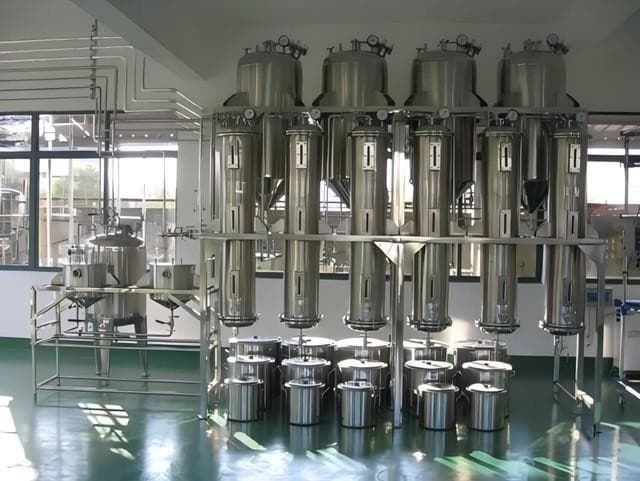
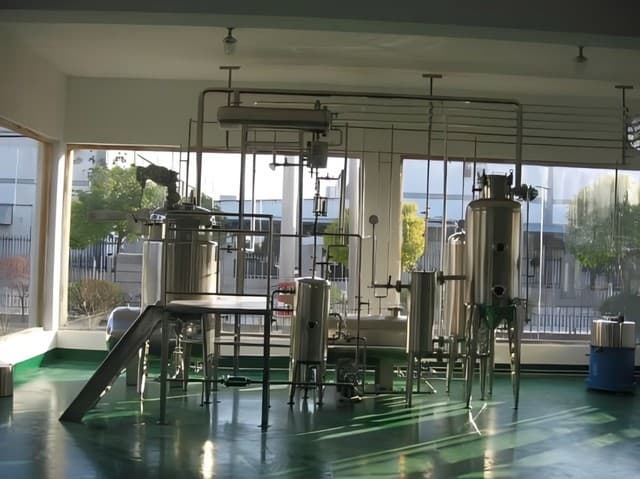
El NAD+ se fabrica mediante una ruta de síntesis enzimática controlada que parte de nicotinamida de alta pureza y precursores nucleotídicos, en lugar de rutas de condensación química. La conversión biocatalítica, realizada en condiciones cGMP, ensambla el dinucleótido oxidado con alta selectividad y, a continuación, el producto se purifica mediante cromatografía y cristalización para eliminar sustratos residuales, nucleótidos relacionados e impurezas de proceso. Se prefiere la ruta enzimática para el NAD+ porque conserva la configuración beta del enlace glucosídico que define el beta-nicotinamida adenina dinucleótido biológicamente activo, y mantiene el perfil de sustancias relacionadas estrecho y reproducible de lote a lote.
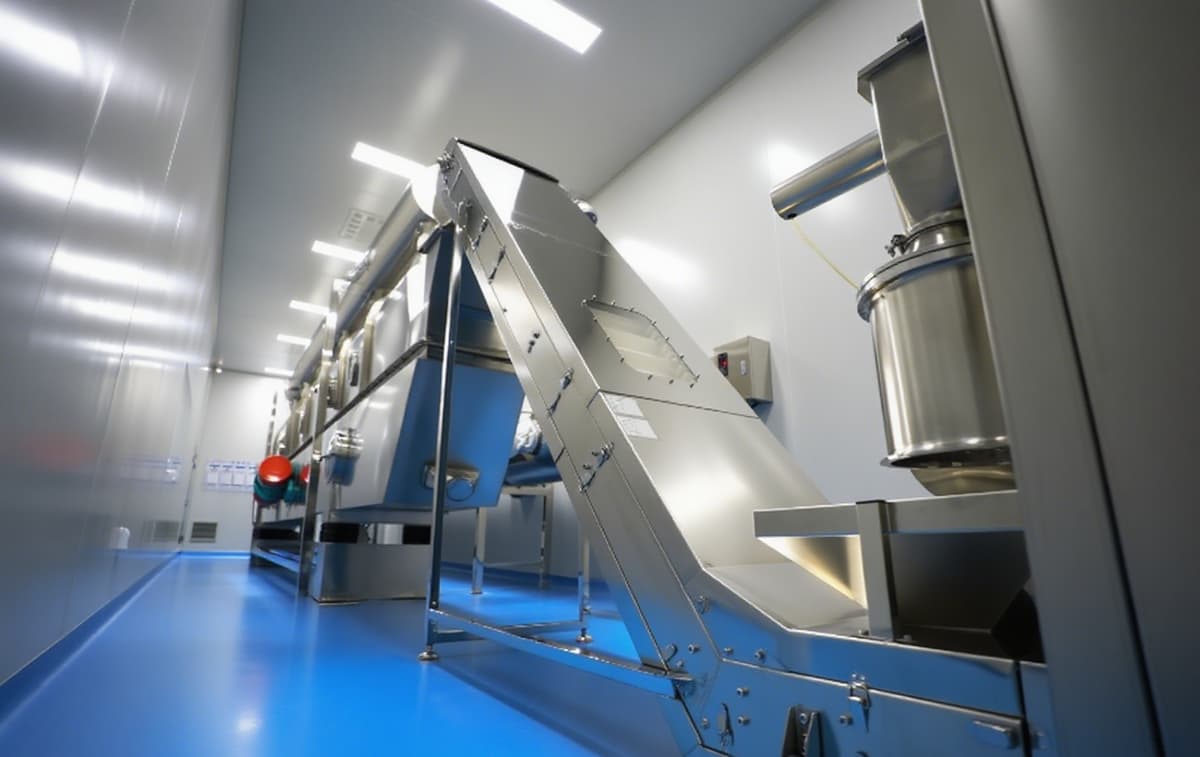
Tras la purificación, el NAD+ cristalino se seca al vacío hasta un punto final de humedad controlado, se muele hasta el tamaño de partícula objetivo del grado seleccionado y se mezcla para homogeneizar antes del envasado en condiciones de baja humedad y purga de nitrógeno, conforme a las expectativas de las buenas prácticas de fabricación actuales de la FDA para ingredientes dietéticos. Los programas de estabilidad cubren una vida útil estándar de 24 meses, y se dispone de datos en tiempo real y acelerados para respaldar los dosieres de registro en mercados regulados; la nicotinamida relacionada con la hidrólisis y otros productos de degradación se controlan como parte del panel de sustancias relacionadas. Los controles en proceso y de producto terminado en cada operación unitaria mantienen la consistencia lote a lote dentro de los estrechos rangos que exigen las marcas premium de producto terminado.
Aplicaciones del NAD+
El NAD+ es utilizado por marcas de complementos alimenticios y fabricantes por contrato en cuatro grupos principales de aplicación. En primer lugar, fórmulas de energía celular y longevidad, en las que el NAD+ actúa como sustrato de las sirtuinas y las PARP y se estudia en investigaciones biológicas revisadas por pares sobre la energía celular y el envejecimiento. En segundo lugar, combinaciones de precursores del NAD+, en las que el NMN y el NR aparecen junto con el NAD+ porque ambos son precursores biosintéticos que han demostrado elevar los niveles de NAD+ en modelos de investigación. En tercer lugar, contextos cognitivos y de neuroprotección, donde el metabolismo del NAD+ se estudia por su papel en la homeostasis energética neuronal en la literatura indexada en los NIH. En cuarto lugar, fórmulas deportivas y de recuperación que se basan en la función de coenzima redox del NAD+ en el metabolismo muscular investigada en las ciencias del deporte.
En la práctica, las marcas formulan el NAD+ como un ingrediente final propiamente dicho o lo utilizan como punto de referencia oxidado dentro de fórmulas de combinación de precursores que asocian el NAD+ con NMN y NR para cubrir múltiples puntos de entrada de las vías de biosíntesis y de rescate. Los puntos de referencia regulatorios y científicos provienen de fuentes institucionales y no de afirmaciones comerciales: la función redox de la coenzima es contenido estándar en los marcos de referencia de la bioquímica, y la investigación revisada por pares ha examinado el metabolismo del NAD+ en los contextos del envejecimiento, la función neuronal y la energética celular en modelos experimentales. Purecium apoya a sus clientes con orientación en formulación, datos de estabilidad y pruebas de aplicación para cápsulas, comprimidos, sobres y premezclas para bebidas.
Fabricación y control de calidad
Cada lote comercial de NAD+ se produce bajo sistemas de gestión de la calidad certificados ISO 9001 y FSSC22000, en instalaciones conformes a las cGMP y con controles HACCP. Los análisis del producto terminado incluyen ensayo por HPLC, análisis de sustancias relacionadas para nicotinamida y otros nucleótidos, pérdida por desecación, metales pesados dentro de los límites de la USP, disolventes residuales analizados según los procedimientos vigentes de la USP y un panel microbiológico completo que incluye recuento total en placa, levaduras y mohos, y detección de patógenos. Cada envío se libera con un certificado de análisis (CoA) que documenta cada parámetro medido, y los métodos analíticos siguen los marcos vigentes de la USP-NF y de la Farmacopea Europea cuando proceda, con procedimientos referenciados por la AOAC utilizados para los análisis complementarios.
La documentación que acompaña a cada pedido incluye la ficha de datos de seguridad (SDS), la declaración de alérgenos, la verificación de ausencia de OMG y la certificación libre de EEB/EET, junto con los certificados Kosher y Halal que respaldan la distribución en segmentos del mercado religioso. La trazabilidad integral de lotes permite a los equipos de calidad del cliente auditar el origen de los precursores, los parámetros de conversión enzimática, las etapas de purificación y el envasado final; la documentación de estabilidad que cubre específicamente la sensibilidad del nucleótido a la humedad y a la luz se suministra previa solicitud. Se proporcionan documentos de apoyo normativo y resúmenes de validación de métodos para agilizar el registro del producto terminado ante las autoridades nacionales.
NAD+ para la fabricación B2B de complementos alimenticios
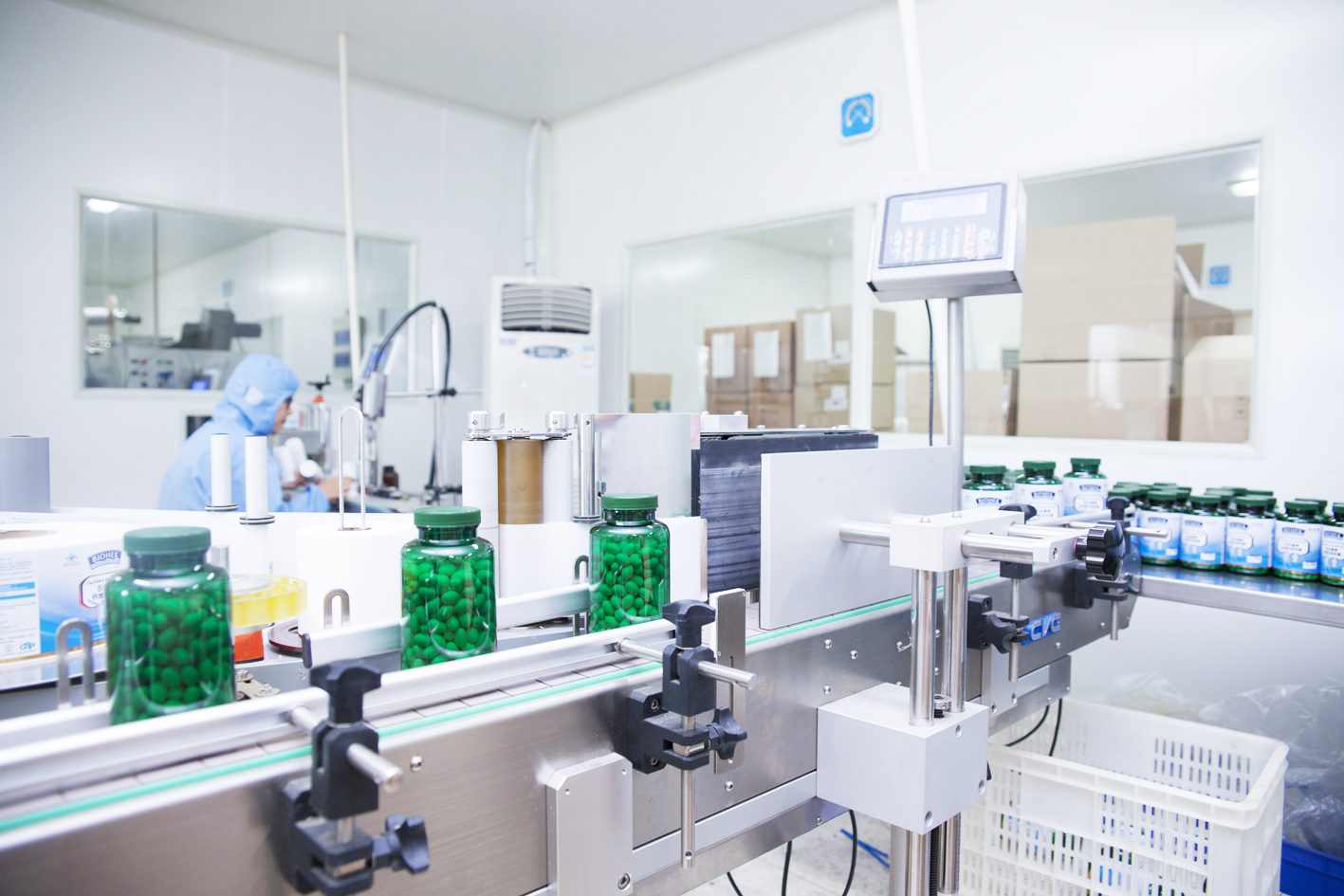
Purecium suministra a distribuidores de complementos alimenticios, fabricantes por contrato (OEM/ODM) y propietarios de marcas de producto final NAD+ en polvo de grado estándar y grado liposomal a granel con un MOQ estándar de 25 kg, envasado en bidones de fibra de grado alimentario de 25 kg netos con doble revestimiento de polietileno. Las opciones logísticas incluyen transporte aéreo, cargas de contenedores marítimos (FCL/LCL) y envío urgente por mensajería, con soporte de almacenamiento en los Estados Unidos para el reaprovisionamiento rápido de las líneas de producción de Norteamérica y exportación directa desde China para clientes de la UE, el Reino Unido y de todo el mundo. El envasado puede ajustarse a los requisitos específicos del proyecto según el acuerdo comercial.
Los socios comerciales reciben precios escalonados por volumen, muestras a escala piloto para evaluación de I+D, orientación sobre la selección de grado para formatos liposomales frente a estándar e inteligencia de mercado proactiva sobre tendencias de materias primas de la familia NAD. Purecium cuenta con más de 15 años de experiencia en exportación nutracéutica y un equipo dedicado de gestión de cuentas B2B que coordina la documentación COA, los trámites aduaneros y los expedientes regulatorios alineados con las expectativas de presentación ante la EFSA, la FDA y las autoridades nacionales para mantener los plazos de lanzamiento según lo previsto. Revisado por el especialista jefe de garantía de calidad / asuntos regulatorios de Purecium para garantizar la precisión técnica y la alineación normativa.
¿Cómo se compara el Nad con el NMN, el NR y el NADH como ingrediente a granel para la formulación B2B?
El Nad (nicotinamida adenina dinucleótido, CAS 53-84-9) es un dinucleótido disponible como polvo a granel. El NMN (nicotinamida mononucleótido, CAS 1094-61-7) y el NR (nicotinamida ribósido, CAS 1341-23-7) son mononucleótidos, mientras que el NADH (NAD reducido, CAS 58-68-4) es la forma reducida. Todos son higroscópicos y sensibles a la humedad, el calor y valores extremos de pH. El Nad y el NADH son químicamente menos estables que el NMN y el NR, y requieren controles de almacenamiento más estrictos. Las dosis típicas en estudios clínicos y preclínicos varían: Nad 100–500 mg/día, NMN 250–1000 mg/día, NR 300–1000 mg/día y NADH 5–50 mg/día. Para la formulación a granel, el Nad y el NADH suelen dosificarse en menor cantidad debido al costo y la estabilidad, mientras que el NMN y el NR se utilizan en niveles más altos. La solubilidad en agua es buena para todos, pero el NADH es menos estable en solución y puede requerir estabilizantes o liofilización. La situación regulatoria difiere según la región. En EE. UU., el NMN y el NR se venden como ingredientes dietéticos, aunque la situación del NMN ha sido cuestionada por la FDA. El Nad y el NADH también se comercializan como ingredientes dietéticos. En la UE, el NMN y el NR no están autorizados como nuevos alimentos, mientras que el Nad y el NADH pueden requerir evaluación como nuevo alimento. Los proveedores a granel deben proporcionar documentación: CoA, MSDS y datos de estabilidad. El Nad se suministra típicamente como polvo de blanco a blanquecino, mientras que el NMN y el NR suelen presentarse como polvos cristalinos. El NADH a menudo se suministra en forma estabilizada (p. ej., con bicarbonato de sodio). Manipulación: todos requieren almacenamiento fresco y seco, protegidos de la luz. El Nad y el NADH son más propensos a la degradación; utilice desecantes y purga con nitrógeno. Para B2B, especifique el ensayo (p. ej., ≥95% HPLC), metales pesados, límites microbianos y disolventes residuales. La documentación debe incluir CAS, fórmula molecular y perfil de pureza. Esta comparación ayuda en las decisiones de formulación, pero requiere verificación frente a las regulaciones vigentes y las especificaciones del proveedor.Comparación en tabla.
La tabla siguiente recoge los parámetros que determinan cómo se especifica, dosifica y documenta cada material en una formulación acabada.Parámetro
Nad
NMN
NR
Número CAS
53-84-9
1094-61-7
1341-23-7
Clase química
Dinucleótido
Mononucleótido
Nucleósido
Dosis típica
100-500 mg/día
250-1000 mg/día
300-1000 mg/día
Solubilidad
Soluble en agua
Soluble en agua
Soluble en agua
Estabilidad
Sensible a la humedad/calor
Sensible a la humedad
Sensible a la humedad
Situación regulatoria
Ingrediente dietético (EE. UU.)
Ingrediente dietético (EE. UU.)
Ingrediente dietético (EE. UU.)
Forma de suministro
Polvo
Polvo
Polvo
Documentación
CoA, MSDS, estabilidad
CoA, MSDS, estabilidad
CoA, MSDS, estabilidad
Compra de NAD+ para España y América Latina
Purecium suministra NAD+ a granel para fabricantes por contrato (CDMO), distribuidores de ingredientes y marcas propias en España, México, Argentina, Chile, Perú, Colombia y Uruguay. MOQ estándar de 25 kg, muestras gratuitas con COA, plazo de 7 a 15 días para calidades en stock y atención comercial en español con respuesta en 12 horas hábiles; las condiciones de pago (50 % de anticipo y 50 % contra documentos de embarque) y los Incoterms (FOB Hong Kong, CIF o DDP) son negociables según volumen e historial.
Para el trámite de registro sanitario entregamos el paquete documental (COA por lote, ficha técnica/TDS, FDS y certificados GMP, ISO 9001, FSSC 22000, Kosher y Halal): control de calidad y documentación · fabricación por contrato (OEM/ODM) · solicitar cotización.
Revisado por el jefe de Garantía de Calidad / especialista en Asuntos Regulatorios.