

Sucralosa
Resistente al calor y sin calorías
Sucralosa
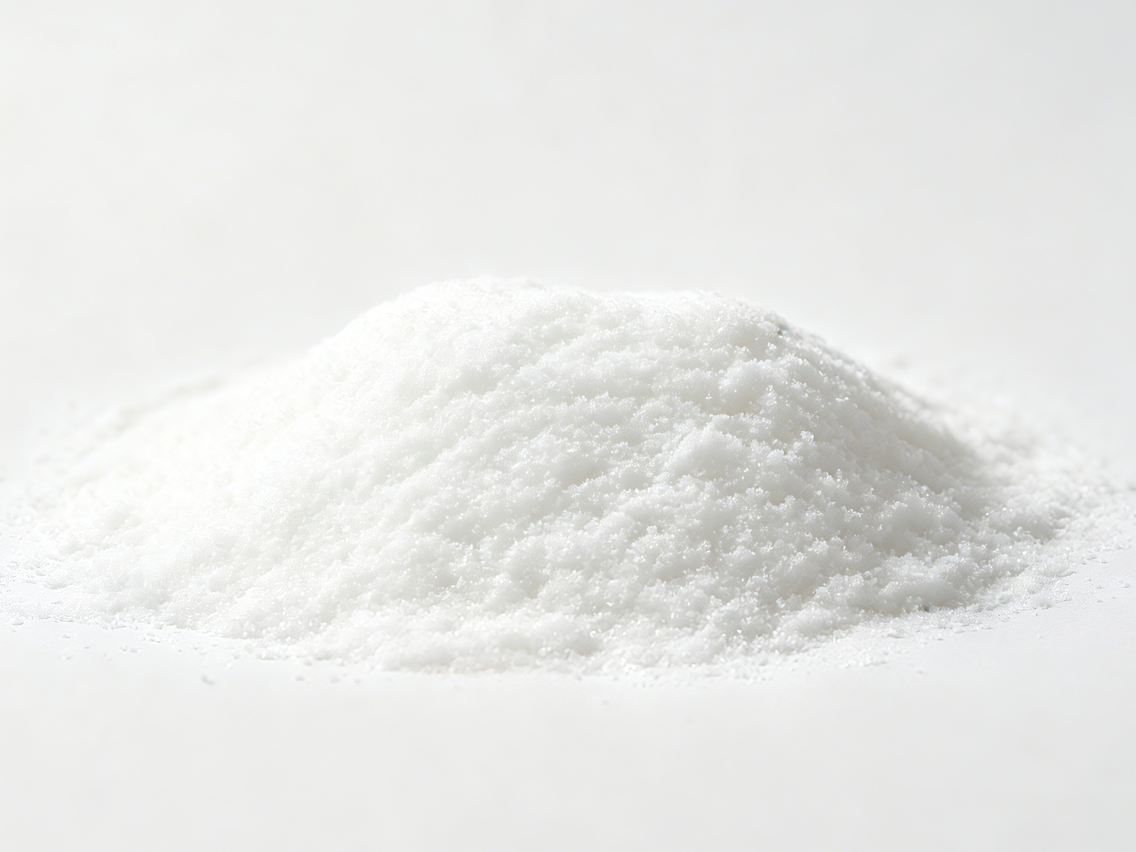
Purecium suministra Sucralosa de calidad premium (CAS Number: 56038-13-2) formulada específicamente para las industrias de fabricación de complementos alimenticios, alimentos funcionales y bebidas. Como edulcorante de alta intensidad y cero calorías derivado de la sacarosa, nuestra Sucralosa en polvo a granel aporta aproximadamente 600 veces el dulzor del azúcar de mesa estándar (sacarosa) sin contribuir a la ingesta calórica, elevar los niveles de glucosa en sangre ni favorecer la caries dental. Formulada para cumplir las rigurosas especificaciones de las farmacopeas USP, FCC y EP, nuestra Sucralosa es un ingrediente funcional indispensable para marcas B2B que desarrollan productos nutricionales sin azúcar, aptos para dietas cetogénicas y bajos en calorías.
Resumen para compradores: MOQ 25 kg; muestras gratis con COA; plazo de 7 a 15 días para calidades en stock; FOB Hong Kong / CIF / DDP; stock en Estados Unidos; recogida en 2 días para Norteamérica; COA / TDS / SDS por lote; respuesta en 12 horas hábiles. Cotización a solicitud y muestras enviadas a todo el mundo.
Nombre del producto: Sucralosa
Fórmula molecular: C12H19Cl3O8
Material de partida: Sacarosa
Grado: Grado alimentario
Metales pesados: USP
Residuos de plaguicidas: USP/EP
Tamaño de envase: 25 kg/bidón
CAS#: 56038-13-2
Peso molecular: 397.63 g/mol
Origen: sintético
Especificación: 98%-102% HPLC
País de origen: China
Disolvente residual: USP/EP
Sin alérgenos/Sin gluten/No OMG/Vegano/Sin irradiación

Descripción general de la sucralosa
Sucralosa (E955), también conocida por el nombre químico 1',4,6'-trichlorogalactosucrose, es un edulcorante intenso sin calorías con la fórmula molecular C12H19Cl3O8, un peso molecular de 397.63 g/mol y el número de registro CAS 56038-13-2. Se suministra como polvo cristalino de color blanco a blanquecino, de grado alimentario, con una pureza del 98% al 102% por HPLC, para su uso en complementos alimenticios, alimentos funcionales y formulaciones de bebidas.
La sucralosa de Purecium (CAS 56038-13-2, fórmula molecular C12H19Cl3O8) presenta una pureza ≥98 % verificada por HPLC, con especificación de control de calidad según estándares FCC/USP y certificado COA por lote.
La sucralosa es aproximadamente 600 veces más dulce que la sacarosa, pero no aporta calorías y el organismo no la metaboliza para obtener energía. Se fabrica mediante la cloración selectiva de la sacarosa, que sustituye tres grupos hidroxilo por átomos de cloro y bloquea el enlace glucosídico, lo que confiere a la molécula una estabilidad excepcional frente al calor, la acidez y el almacenamiento prolongado.
El ingrediente está reconocido como seguro para su uso en alimentos y complementos alimenticios por las principales autoridades reguladoras, incluidas la FDA, el JECFA y la EFSA, y lleva el número europeo de aditivo alimentario E955. Para los formuladores B2B, la sucralosa ofrece una vía de cumplimiento normativo bien definida en Estados Unidos, la Unión Europea y otros mercados principales.
Fuente e identidad del ingrediente
La sucralosa de Purecium es sintética y se fabrica a partir de sacarosa como materia prima declarada mediante una ruta controlada de cloración selectiva. La producción sintética ofrece resiliencia en la cadena de suministro, pureza constante y trazabilidad total, independientemente de la variabilidad de los cultivos agrícolas.
La identidad y la pureza se confirman conforme a las monografías USP y EP; el material acabado cumple una especificación de liberación de grado alimentario del 98.0% al 102.0% de riqueza por HPLC. El producto se fabrica en China en instalaciones con certificación GMP y está verificado como libre de alérgenos, sin gluten, no modificado genéticamente y vegano.
Cada lote se documenta con un certificado de análisis que incluye identidad, riqueza, metales pesados, residuos de plaguicidas, disolventes residuales y estado microbiológico, lo que proporciona a los compradores documentación completa para la cualificación de proveedores y el registro del producto acabado.
Características clave de la sucralosa
Las características principales de la sucralosa de Purecium incluyen su intensidad de dulzor aproximadamente 600 veces superior a la sacarosa, aporte calórico nulo, excelente solubilidad en agua y una estabilidad excepcional. A diferencia de muchos edulcorantes de alta intensidad, la sucralosa se mantiene estable a altas temperaturas, lo que la hace adecuada para formatos horneados y procesados con calor, y es estable en el rango de pH habitual de los alimentos y los complementos alimenticios.
El ingrediente no es cariogénico, no favorece la caries dental y presenta un perfil de dulzor limpio y similar al azúcar, sin un regusto persistente significativo a los niveles de uso recomendados. Su tamaño de partícula definido y sus propiedades de flujo facilitan una dosificación uniforme en aplicaciones de comprimidos y polvos mezclados en seco.
Debido a que la sucralosa es intensamente dulce, los niveles de uso típicos en las fórmulas terminadas son muy bajos, a menudo en el intervalo del 0.01% al 0.05% de la formulación en peso. Esta elevada potencia ofrece una gran flexibilidad de formulación y eficiencia de costes para los fabricantes que sustituyen el azúcar en productos bajos en calorías y sin azúcar, al tiempo que mantienen perfiles de dulzor limpios y consistentes en el producto final.
Como edulcorante no nutritivo, la sucralosa atraviesa el organismo en gran medida sin cambios y aporta calorías insignificantes, lo que respalda su uso generalizado en el posicionamiento de productos sin azúcar y bajos en calorías. Su potencia edulcorante de aproximadamente 600 veces la de la sacarosa significa que un solo kilogramo sustituye el poder edulcorante de unos 600 kilogramos de azúcar, una ventaja económica clave en la compra a granel.
Fabricación de sucralosa
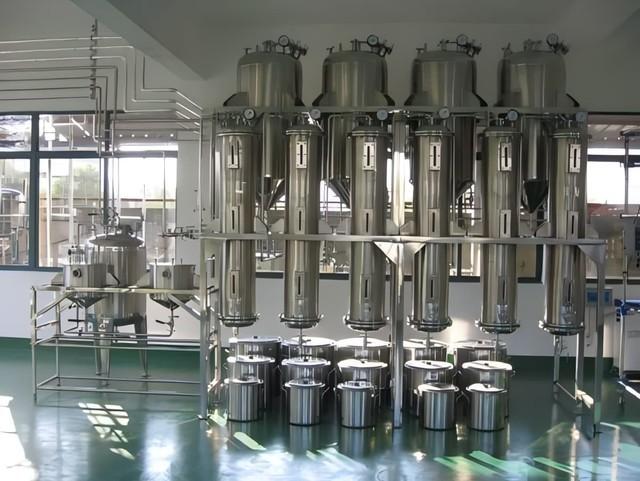
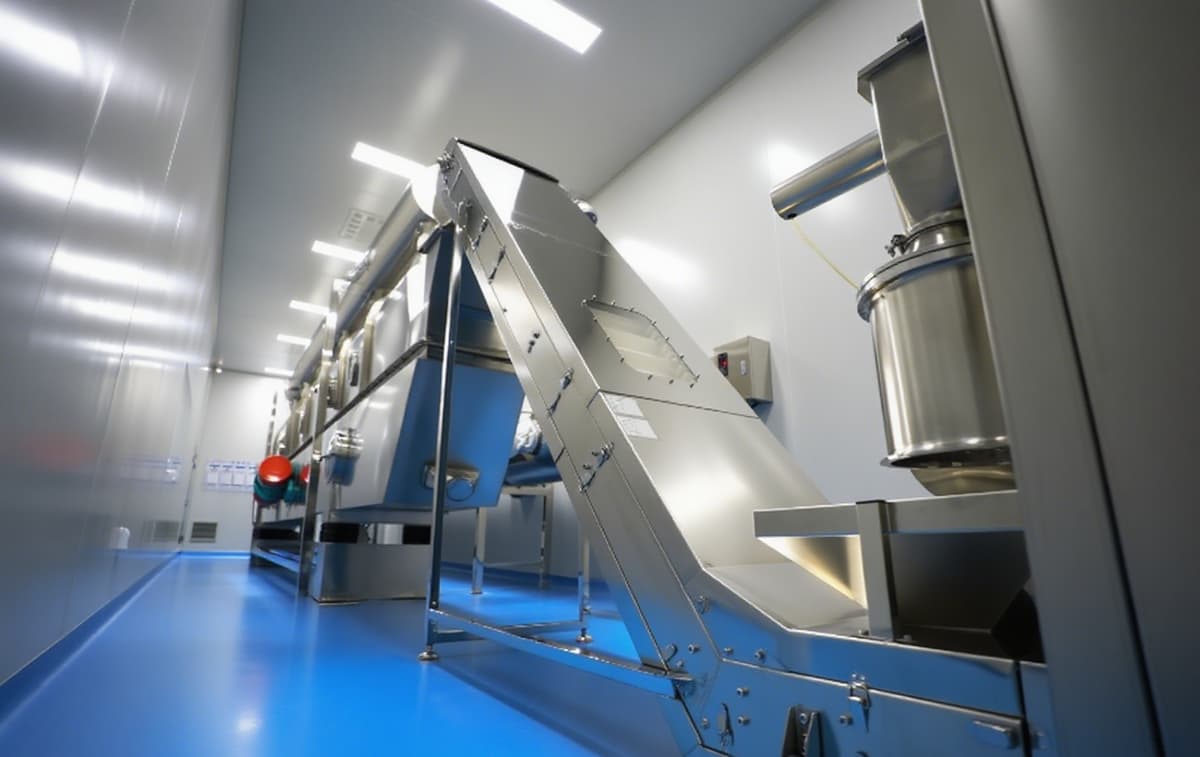
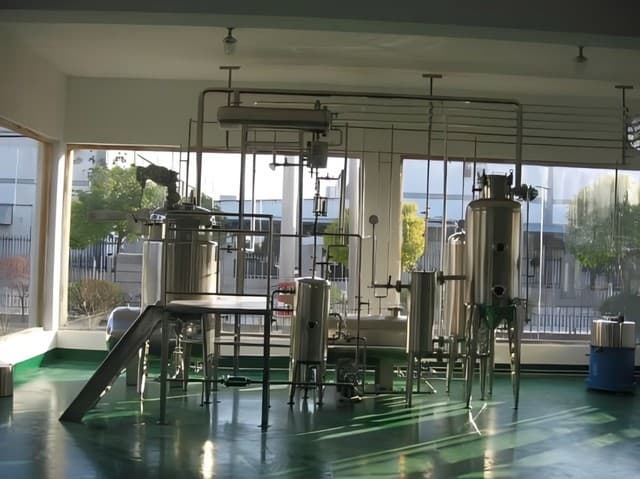
La sucralosa Purecium se fabrica mediante una ruta sintética definida en instalaciones certificadas según programas de seguridad alimentaria ISO 9001 y FSSC 22000. La producción comprende la cloración selectiva de la sacarosa, seguida de purificación, cristalización, secado, tamizado y mezcla final según especificación, y cada etapa se rige por procedimientos operativos estándar escritos.
Los controles en proceso, los procedimientos documentados de limpieza y cambio y la numeración completa de lotes proporcionan trazabilidad desde la materia prima de sacarosa hasta los bidones acabados. El proceso sintético se controla estrictamente para lograr una pureza isomérica constante, lo que garantiza el perfil edulcorante característico lote tras lote.
La capacidad de fabricación y los plazos de entrega se gestionan para respaldar tanto pedidos de evaluación a escala piloto como programas de fabricación por contrato en curso, con datos de estabilidad que respaldan una vida útil definida a temperatura ambiente en envases sellados de grado alimentario.
En formatos líquidos y listos para mezclar, la sucralosa proporciona dulzor estable sin las reacciones de pardeamiento asociadas al azúcar, preservando el color y el sabor del producto durante su vida útil. Su compatibilidad con aromas, colorantes, ingredientes activos y excipientes habituales está bien documentada, lo que simplifica el desarrollo de formulaciones en distintos formatos de complementos alimenticios.
Aplicaciones de la Sucralosa
La sucralosa se utiliza en las categorías de complementos alimenticios y productos alimentarios como edulcorante sustituto del azúcar: comprimidos, masticables y gominolas, polvos efervescentes, polvos de proteínas y sustitutos de comidas, mezclas de bebidas en stick-pack, gotas líquidas y aplicaciones de alimentos funcionales. Su estabilidad al calor la convierte en uno de los pocos edulcorantes de alta intensidad adecuados para formatos procesados y horneados.
En la fabricación de complementos alimenticios, la sucralosa se combina con frecuencia con otros edulcorantes y agentes de carga como dextrosa, maltodextrina o polialcoholes para optimizar las curvas de dulzor, enmascarar el sabor de los ingredientes activos y mejorar la sensación en boca en formatos masticables y en polvo. Las investigaciones publicadas y los organismos reguladores reconocen a la sucralosa como uno de los edulcorantes no nutritivos más estudiados, con una ingesta diaria admisible establecida por el JECFA y la EFSA.
Los formuladores valoran el dulzor limpio y la estabilidad de este ingrediente en productos combinados que contienen vitaminas, minerales, botánicos y aminoácidos, donde aporta un dulzor constante sin pardeamiento ni desarrollo de sabores extraños durante el procesado y la vida útil.
La planta de fabricación implementa programas de vigilancia ambiental y control de plagas acordes con las normas internacionales de seguridad alimentaria, y los procedimientos de higiene y formación del personal están documentados y auditados. El agua utilizada en el procesado cumple los estándares de agua potable, y la validación de la limpieza permite un cambio rápido y seguro entre campañas.
Fabricación & Control de Calidad
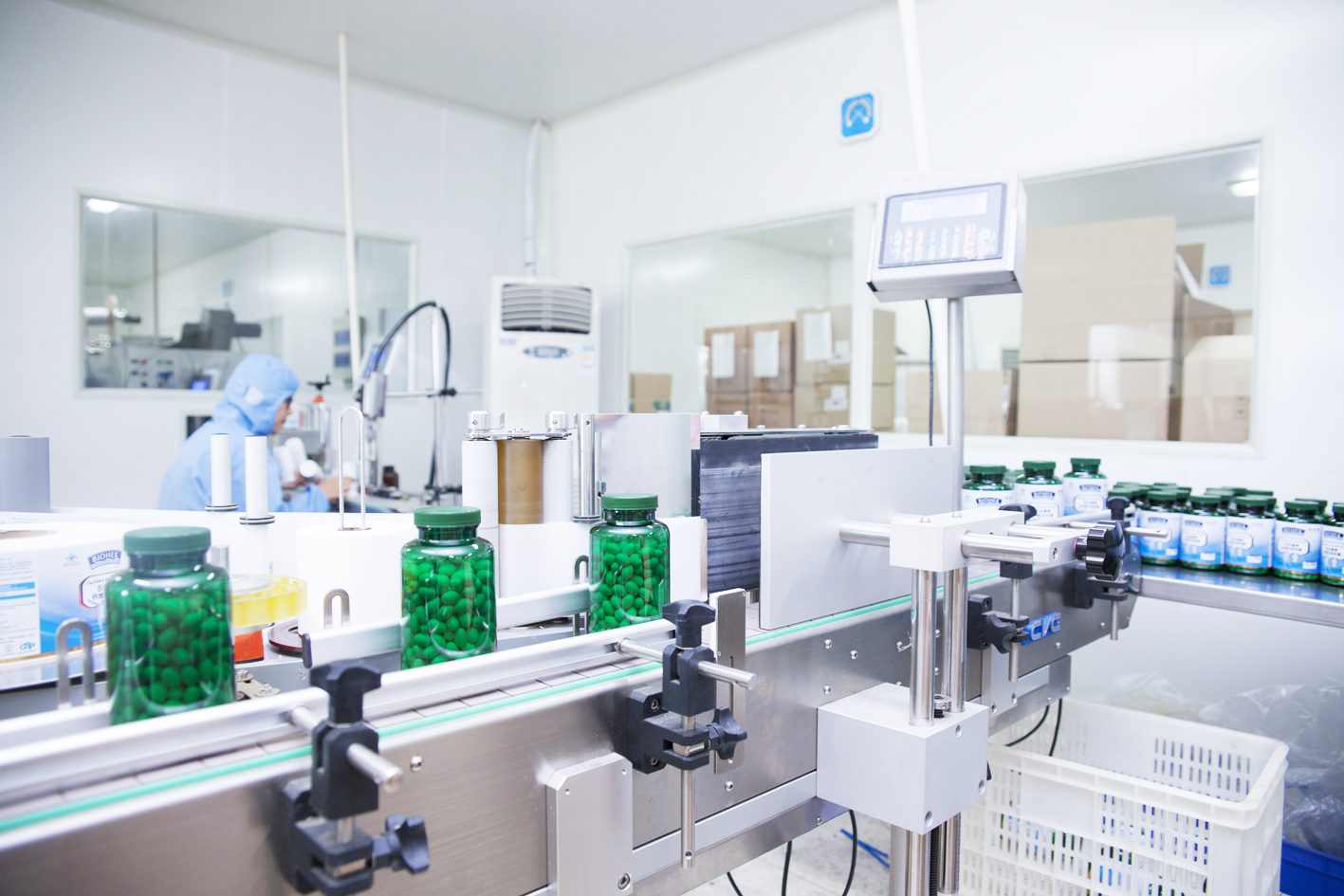
El control de calidad de la sucralosa de Purecium se lleva a cabo bajo los sistemas de seguridad alimentaria ISO 9001 y FSSC 22000 en instalaciones GMP estrictamente auditadas. Cada lote de producción se libera solo después de la confirmación de identidad, el análisis por HPLC entre el 98.0% y el 102.0%, el análisis de metales pesados según los límites de la USP, las pruebas de residuos de plaguicidas según las expectativas de la USP/EP, las pruebas de disolventes residuales y el examen microbiológico.
Se garantiza la consistencia entre lotes en todas las campañas, con un control de sustancias relacionadas que asegura el perfil de cloración definido del edulcorante final. Los métodos analíticos están alineados con las monografías vigentes de la USP-NF y de la Farmacopea Europea para la sucralosa.
Los compradores reciben un certificado de análisis, SDS y documentación de especificaciones con cada envío, y las auditorías de las instalaciones, los registros de lote y los documentos técnicos adicionales están disponibles durante la cualificación del proveedor.
La sucralosa se suministra en envases sellados de grado alimentario con protección contra la humedad adecuada para la logística global, y puede mantenerse en condiciones estándar de almacén a temperatura ambiente sin requisitos especiales de almacenamiento. La documentación CoA de cada lote incluye identidad, riqueza, sustancias relacionadas, metales pesados, residuos de plaguicidas, disolventes residuales y microbiología, alineada con las hojas de especificaciones del comprador.
Sucralosa para la fabricación B2B de complementos alimenticios
Purecium suministra sucralosa a granel a fabricantes de complementos alimenticios, productores de bebidas y alimentos, distribuidores y marcas de producto terminado en todo el mundo. El envase estándar es de 25 kg por bidón, con un MOQ mínimo flexible que admite volúmenes piloto y de lanzamiento.
Los equipos de compras se benefician de un programa de suministro resiliente: calidad de grado alimentario estandarizada por HPLC, pleno cumplimiento de GMP conforme a ISO 9001 y FSSC 22000, verificación de ausencia de alérgenos y de no modificado genéticamente (non-GMO), y trazabilidad documentada desde la sacarosa hasta los bidones terminados. Los pedidos de EE. UU., Canadá y México pueden recogerse en el almacén de Purecium en EE. UU. en un plazo de dos días, y los envíos internacionales se despachan desde China en una semana.
El soporte técnico incluye orientación sobre los niveles de uso para comprimidos, masticables, polvos y formatos líquidos, estrategia de combinación de edulcorantes, alineación con las especificaciones y documentación regulatoria para los mercados objetivo. Las muestras para evaluación de I+D están disponibles bajo petición, y los pedidos a granel se despachan por vía aérea o marítima con documentación de exportación completa.
Revisado por el responsable de Garantía de Calidad / Asuntos Regulatorios de Purecium para garantizar la precisión técnica y la alineación normativa.
¿Cómo se compara la sucralosa a granel con la stevia, la fruta del monje y el acesulfamo K en la formulación B2B?
La sucralosa (CAS 56038-13-2) es un derivado clorado de la sacarosa, típicamente 600 veces más dulce que la sacarosa. Se suministra como un polvo cristalino blanco con un contenido del 98-102% y es altamente soluble en agua (aproximadamente 280 g/L a 20°C). Es estable en un amplio intervalo de pH y a altas temperaturas, lo que la hace adecuada para bebidas, productos de panadería y lácteos. A granel, es no higroscópica y fluye libremente, con un nivel de uso típico de 50-300 mg/L en bebidas, según la aplicación. La stevia (rebaudiósido A) y la fruta del monje (mogrósido V) son edulcorantes de alta intensidad de origen vegetal, mientras que el acesulfamo K es una sal potásica sintética. Cada uno tiene perfiles distintos de solubilidad, estabilidad y sensoriales que afectan a la formulación. La stevia y la fruta del monje a menudo se posicionan como alternativas naturales. El rebaudiósido A es aproximadamente 200-300 veces más dulce que la sacarosa, mientras que el mogrósido V es 150-300 veces más dulce. Ambos pueden tener notas amargas o a regaliz persistentes, lo que requiere agentes enmascarantes. Generalmente son estables en bebidas ácidas, pero pueden degradarse a altas temperaturas. El acesulfamo K es aproximadamente 200 veces más dulce, a menudo se mezcla con sucralosa por sinergia. Es estable al calor y altamente soluble, pero puede tener un regusto metálico. La sucralosa ofrece un sabor limpio, similar al azúcar, y una amplia estabilidad, pero su naturaleza clorada puede ser una consideración para proyectos de etiqueta limpia. La situación regulatoria varía. La sucralosa está aprobada en la UE (E955), EE. UU. (FDA) y muchas otras regiones. La stevia (E960) y la fruta del monje están aprobadas como edulcorantes en EE. UU. y la UE, aunque la fruta del monje tiene un historial regulatorio más corto. El acesulfamo K (E950) está ampliamente aprobado. Todos tienen IDA establecidas: sucralosa 15 mg/kg pc/día, stevia 4 mg/kg pc/día (como equivalentes de esteviol), fruta del monje no especificada, acesulfamo K 15 mg/kg pc/día. La documentación para el suministro a granel normalmente incluye COA, MSDS, certificados halal/kosher y declaraciones de alérgenos. La sucralosa es no cariogénica y adecuada para productos diabéticos. La manipulación requiere control estándar del polvo y almacenamiento en un lugar fresco y seco.Comparación en tabla.
La tabla siguiente recoge los parámetros que determinan cómo se especifica, dosifica y documenta cada material en una formulación acabada.Parámetro
Sucralosa
Stevia
Fruta del monje
Número CAS
56038-13-2
58543-16-1 (Reb A)
88901-36-4 (Mog V)
Clase química
Sacarosa clorada
Glucósido diterpénico
Glucósido cucurbitano
Dosis típica
50-300 mg/L (bebida)
100-400 mg/L (bebida)
50-300 mg/L (bebida)
Solubilidad
~280 g/L a 20°C
~1 g/L (Reb A)
~0.5 g/L (Mog V)
Estabilidad
Estable pH 3-7, calor
Estable pH 3-6, menos calor
Estable pH 3-6, menos calor
Situación regulatoria
UE E955, FDA, IDA 15
UE E960, FDA, IDA 4
FDA GRAS, UE novel
Forma de suministro
Polvo cristalino
Polvo (80-98% Reb A)
Polvo (50-98% Mog V)
Documentación
COA, MSDS, halal, kosher
COA, MSDS, halal, kosher
COA, MSDS, halal, kosher
Compra de sucralosa para España y América Latina
Purecium suministra sucralosa a granel para fabricantes por contrato (CDMO), distribuidores de ingredientes y marcas propias en España, México, Argentina, Chile, Perú, Colombia y Uruguay. MOQ estándar de 25 kg, muestras gratuitas con COA, plazo de 7 a 15 días para calidades en stock y atención comercial en español con respuesta en 12 horas hábiles; las condiciones de pago (50 % de anticipo y 50 % contra documentos de embarque) y los Incoterms (FOB Hong Kong, CIF o DDP) son negociables según volumen e historial.
Para el trámite de registro sanitario entregamos el paquete documental (COA por lote, ficha técnica/TDS, FDS y certificados GMP, ISO 9001, FSSC 22000, Kosher y Halal): control de calidad y documentación · fabricación por contrato (OEM/ODM) · solicitar cotización.
Revisado por el jefe de Garantía de Calidad / especialista en Asuntos Regulatorios.
Logística y registro sanitario de Sucralosa para América Latina
Purecium exporta Sucralosa a granel a México, Colombia, Perú, Chile, Argentina y otros mercados latinoamericanos. Los pedidos se despachan desde Hong Kong por vía aérea o marítima (contenedor completo o consolidado), según el Incoterm acordado (FOB Hong Kong, CIF o DDP); el tránsito hasta el puerto de destino, los requisitos de importación y los aranceles se confirman en cada cotización.
Para el registro sanitario local, los fabricantes y distribuidores presentan la documentación técnica ante la autoridad de su país: COFEPRIS en México, INVIMA en Colombia, ANMAT en Argentina, ISP en Chile y DIGEMID en Perú. Con cada lote entregamos COA, ficha técnica (TDS), FDS y certificados GMP, ISO 9001, FSSC 22000, Kosher y Halal; la atención comercial es en español, con respuesta en 12 horas hábiles. También abastecemos a clientes de Norteamérica (Estados Unidos y Canadá) desde nuestro almacén en Estados Unidos, con reposición rápida para líneas de producción en esa región.