

Alfa-cetoglutarato (AKG)
Soporte metabólico del ciclo de Krebs para energía y envejecimiento saludable
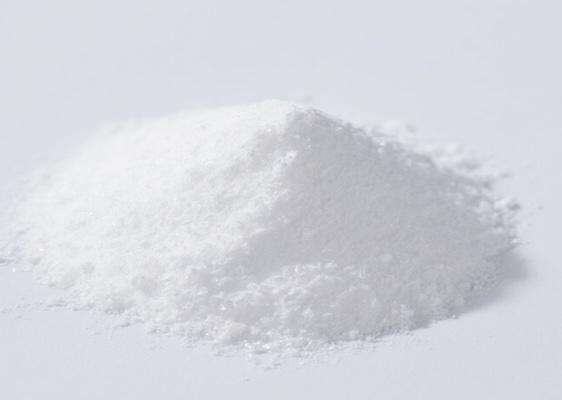
Alfa-cetoglutarato (AKG)
Purecium suministra polvo a granel de alfa-cetoglutarato (AKG, CAS 328-50-7) de alta pureza — derivado por fermentación a partir de maíz no-GMO con una pureza HPLC del 98% — junto con formas de sal de AKG de calcio (CAS 71686-01-6) y AKG de magnesio (CAS 42083-41-0) para los sectores globales de fabricación de complementos alimenticios, nutracéuticos y nutrición deportiva. Como intermedio cetoácido central del ciclo de los ácidos tricarboxílicos (ciclo de Krebs), el AKG conecta el metabolismo energético celular con las reservas de aminoácidos y glutamina, lo que lo convierte en una materia prima versátil para fórmulas de longevidad, recuperación y vitalidad. Producido bajo sistemas de calidad certificados ISO 9001 y FSSC22000 con COA completo de lote y trazabilidad, nuestro AKG a granel atiende a distribuidores B2B, fabricantes por contrato y marcas finales de todo el mundo.
Resumen para compradores: MOQ 25 kg; muestras gratis con COA; plazo de 7 a 15 días para calidades en stock; FOB Hong Kong / CIF / DDP; stock en Estados Unidos; COA / TDS / SDS por lote; respuesta en 12 horas hábiles. Cotización a solicitud y muestras enviadas a todo el mundo.
Nombre del producto: Alfa-cetoglutarato (AKG)
Fórmula molecular: C5H6O5
Material de partida: maíz no modificado genéticamente (Non-GMO)
Grado: alimentario
Metales pesados: USP/EP
Residuos de plaguicidas: USP/EP
Tamaño de envase: 25 kg/tambor
CAS#: 328-50-7
Peso molecular: 146.10 g/mol
Fuente: Fermentación
Especificación: 98% HPLC
País de origen: China
Disolvente residual: USP/EP
Libre de alérgenos/Sin gluten/No-GMO/Vegano/Sin irradiación

Descripción general del alfa-cetoglutarato (AKG)
El alfa-cetoglutarato (AKG), también conocido como ácido alfa-cetoglutárico o ácido 2-oxoglutárico, es un cetoácido natural con el número CAS 328-50-7 y la fórmula molecular C5H6O5 (peso molecular de 146.10 g/mol). Es la estructura central formadora de sales de una familia de ingredientes comerciales que incluye polvo de AKG base y quelatos minerales como el AKG de calcio (CAS 71686-01-6) y el AKG de magnesio (CAS 42083-41-0). En la bioquímica celular, el alfa-cetoglutarato es el esqueleto de carbono central que conecta el ciclo de los ácidos tricarboxílicos (de Krebs) con el metabolismo de los aminoácidos, lo que lo convierte en uno de los intermediarios metabólicos más estudiados en las categorías de envejecimiento saludable y apoyo energético.
Purecium suministra polvo a granel de alfa-cetoglutarato (AKG) de grado alimentario producido mediante fermentación microbiana de maíz no modificado genéticamente (no-GMO) en lugar de síntesis química. La especificación estándar es una pureza mínima del 98 % por HPLC, y el ingrediente está disponible en forma de base de AKG pura, así como de sales de AKG de calcio y magnesio, lo que ofrece a los equipos de formulación opciones flexibles para productos finales de longevidad, recuperación deportiva y apoyo metabólico general.
Fuente e identidad del ingrediente
En el mercado de materias primas para complementos alimenticios, los ingredientes de alfa-cetoglutarato se clasifican por su forma de sal porque el cetoácido base es solo uno de los miembros de la familia. El AKG base puro es el ácido 2-oxopentanodioico libre; el AKG de calcio une dos equivalentes del ácido a un ion calcio para un mayor aporte de calcio elemental; y el AKG de magnesio combina el cetoácido con magnesio, un electrolito implicado en el metabolismo muscular, nervioso y energético. Los compradores eligen entre estas formas en función de la estrategia mineral del producto final, el peso de la dosis y la aplicación prevista, y Purecium mantiene las tres formas dentro de un único programa de proveedores cualificados.
La identidad del alfa-cetoglutarato (AKG) de Purecium se define por su número de registro CAS 328-50-7, su fórmula molecular C5H6O5 y su peso molecular de 146.10 g/mol para el ácido base, con identidades de registro distintas para las sales minerales utilizadas en las fórmulas finales. El material de partida es maíz non-GMO procesado mediante una corriente de fermentación controlada que produce el cetoácido sin los subproductos racémicos ni los residuos agresivos de reactivos asociados a ciertas rutas sintéticas. Cada forma de sal se cualifica con respecto a su especificación declarada, y los polvos finales se clasifican como de grado alimentario conforme a los marcos de calidad descritos por la USP-NF y la Farmacopea Europea para aditivos alimentarios e ingredientes de complementos alimenticios.
Características clave del alfa-cetoglutarato (AKG)
El AKG en polvo de Purecium ofrece una combinación de características que importan a los científicos de formulación: un polvo cristalino de color blanco a blanquecino con alta solubilidad en agua, una pureza mínima del 98 % por HPLC, bajo contenido de disolventes residuales dentro de los límites de la USP y un contenido controlado de metales pesados (plomo por debajo de 0.5 ppm, arsénico por debajo de 3 ppm, cadmio por debajo de 1 ppm y mercurio por debajo de 0.1 ppm). El material se procesa a 80 mesh, lo que favorece una disolución rápida en premezclas para bebidas, en el llenado de cápsulas y en mezclas para comprimidos sin interferir en el sabor.
Funcionalmente, el alfa-cetoglutarato es el metabolito del punto de ramificación en el que los niveles de glutamina, glutamato y amoníaco se interconvierten con el ciclo de Krebs. Dado que participa en el metabolismo oxidativo generador de ATP y sirve como esqueleto de carbono para la síntesis de aminoácidos, el AKG aparece en investigaciones publicadas sobre el soporte energético mitocondrial, la recuperación posterior al ejercicio y el envejecimiento biológico, donde el AKG de calcio se ha estudiado como un nutriente relevante para la longevidad. Los formuladores de complementos alimenticios eligen AKG cuando necesitan un intermediario metabólico de etiqueta limpia derivado de fermentación, con valores de ensayo reproducibles y un contenido mineral documentado según cada forma de sal.
Fabricación de alfa-cetoglutarato (AKG)
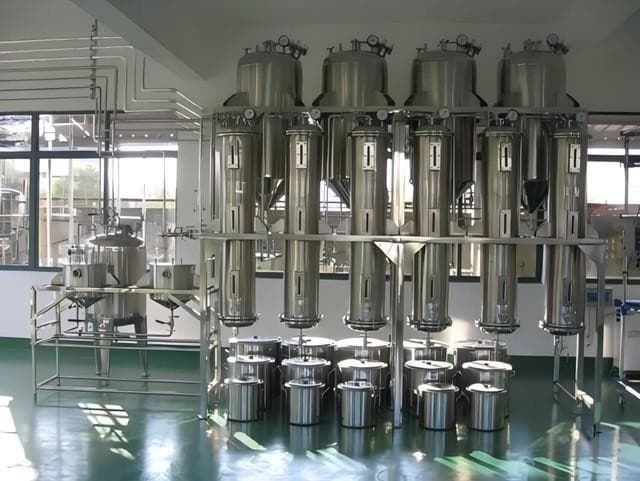
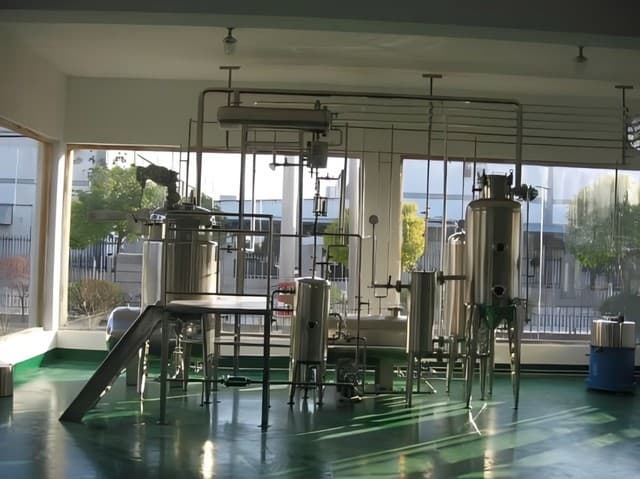
Purecium fabrica alfa-cetoglutarato (AKG) mediante una vía de fermentación que comienza con almidón de maíz no modificado genéticamente. En el proceso, la fermentación microbiana de grado alimentario convierte la glucosa de origen vegetal en el esqueleto de cetoácido, que después se purifica, concentra y cristaliza para eliminar impurezas del proceso, proteínas residuales y ácidos orgánicos no deseados. Las formas de sal se producen mediante la neutralización controlada del ácido purificado con fuentes de calcio o magnesio de grado alimentario, seguida de recristalización y secado para alcanzar las especificaciones de humedad objetivo.
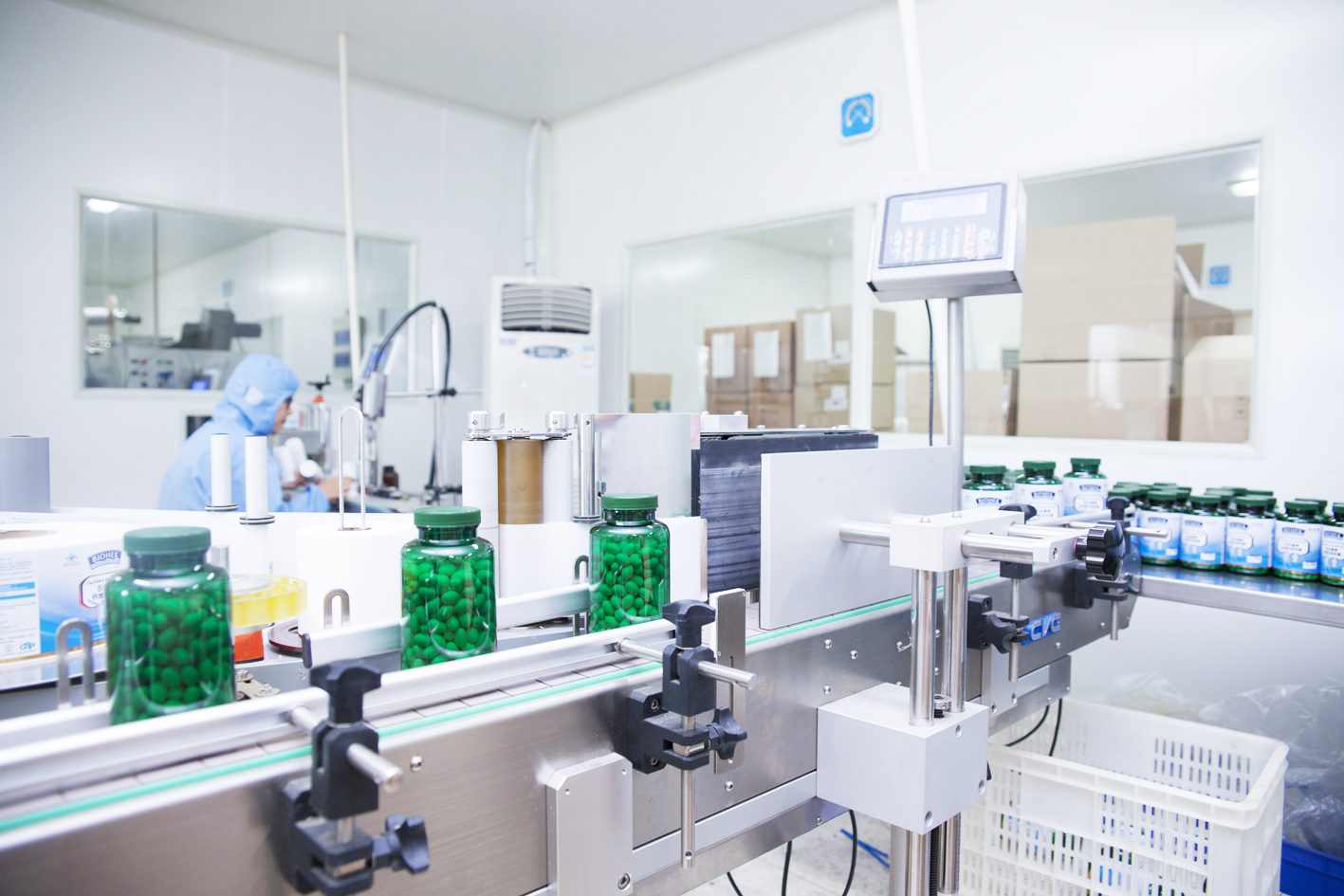
Tras la síntesis y la purificación, el producto cristalino se muele hasta el tamaño de partícula declarado de malla 80, se mezcla para lograr la homogeneidad del lote y se envasa en condiciones de baja humedad para protegerlo contra la absorción de humedad durante el almacenamiento y el transporte. Los programas de estabilidad cubren una vida útil estándar de 24 meses, y se dispone de datos de estabilidad acelerada para respaldar los expedientes de registro de los clientes en mercados regulados. Dado que el proceso de fermentación evita la hidrólisis con ácidos fuertes y las etapas con un uso intensivo de disolventes empleadas en algunas rutas antiguas, ofrece un perfil de impurezas más limpio y una firma de isótopos de carbono más consistente para los propietarios de marcas que necesitan una materia prima fiable y reproducible.
Aplicaciones del alfa-cetoglutarato (AKG)
El alfa-cetoglutarato (AKG) es utilizado por marcas de complementos alimenticios y fabricantes por contrato en cuatro grupos principales de aplicaciones. En primer lugar, fórmulas de envejecimiento saludable y longevidad, donde el AKG de calcio aparece en contextos de investigación asociados con la detección de energía celular y el deterioro metabólico relacionado con la edad. En segundo lugar, productos de nutrición deportiva y recuperación, donde el AKG favorece la reserva de glutamina/glutamato y suele posicionarse junto a aminoácidos de cadena ramificada para el apoyo al entrenamiento. En tercer lugar, complementos de energía y vitalidad que ponen énfasis en la función mitocondrial y del ciclo de Krebs. En cuarto lugar, fórmulas de apoyo óseo y mineral que combinan AKG de calcio o magnesio con vitamina D3 y vitamina K2 para un posicionamiento mineral y metabólico combinado.
Los puntos de referencia normativos y científicos del AKG proceden de fuentes institucionales y no de afirmaciones comerciales: la función del alfa-cetoglutarato en el ciclo de Krebs es contenido estándar en los marcos de referencia bioquímicos reconocidos por la comunidad científica, y la investigación revisada por pares ha examinado el AKG en el contexto del envejecimiento, el metabolismo muscular y la energética celular. Purecium ayuda a los clientes con orientación de formulación, datos de estabilidad y pruebas de aplicación para comprimidos, cápsulas duras y blandas, sobres y premezclas para bebidas. Los rangos de dosis final habituales de 500-1500 mg al día de materiales de AKG aparecen en las fórmulas comerciales, aunque los niveles finales los determina la propia revisión normativa y el cumplimiento del etiquetado de cada marca.
Fabricación y control de calidad
Cada lote comercial de alfa-cetoglutarato (AKG) de Purecium se produce bajo sistemas de gestión de calidad certificados ISO 9001 y FSSC22000 en instalaciones conformes a cGMP con controles HACCP. Los ensayos del producto terminado incluyen valoración por HPLC (mínimo 98.0%), pérdida por desecación, metales pesados dentro de los límites de la USP, cribado de residuos de plaguicidas según las normas USP/EP, ensayo de disolventes residuales (etanol residual inferior a 5000 ppm según la USP) y análisis microbiológico completo. Cada envío se libera con un certificado de análisis (CoA) que documenta todos los parámetros medidos, y los métodos analíticos siguen las monografías vigentes de la USP-NF y de la Farmacopea Europea cuando corresponde, con procedimientos referenciados a AOAC para los análisis complementarios.
La documentación que acompaña a cada pedido incluye la ficha de datos de seguridad (FDS), la declaración de alérgenos, la verificación de ausencia de OMG y la certificación de ausencia de EEB/EET. La trazabilidad integral de lotes permite a los clientes y a sus equipos de garantía de calidad y control de calidad auditar el origen de las materias primas, los parámetros de fermentación, las etapas de formación de sales y el envasado final. Las certificaciones Kosher y Halal facilitan la distribución en segmentos de mercado religioso y, a petición, se suministran documentación de estabilidad, resúmenes de validación de métodos y archivos de apoyo normativo para agilizar el registro del producto terminado ante las autoridades nacionales.
Alfa-cetoglutarato (AKG) para la fabricación B2B de complementos alimenticios
Purecium ofrece a distribuidores de complementos alimenticios, fabricantes por contrato (OEM/ODM) y propietarios de marcas finales alfa-cetoglutarato (AKG) base, alfa-cetoglutarato de calcio y alfa-cetoglutarato de magnesio a granel, con un MOQ estándar de 25 kg. Las opciones logísticas incluyen transporte aéreo, cargas en contenedores marítimos (FCL/LCL) y envío urgente por mensajería, con apoyo de almacenamiento en Estados Unidos para el reaprovisionamiento rápido de las líneas de producción norteamericanas y exportación directa desde China para clientes de la UE, el Reino Unido y de todo el mundo.
Los socios comerciales reciben precios escalonados por volumen, muestras a escala piloto para evaluación de R&D, orientación sobre la selección de formas de sal e inteligencia de mercado proactiva sobre las tendencias de las materias primas. Purecium cuenta con más de 15 años de experiencia en exportación de nutracéuticos y un equipo dedicado de gestión de cuentas B2B que coordina la documentación COA, los trámites aduaneros y los expedientes regulatorios para mantener los plazos de lanzamiento según lo previsto. Revisado por el especialista principal de Garantía de Calidad / Asuntos Regulatorios de Purecium para la precisión técnica y la conformidad normativa.
¿Cómo se compara el ácido alfa-cetoglutárico (AKG) a granel con la L-glutamina, la L-arginina AKG y la creatina en términos de formulación, dosificación, manejo y aspectos regulatorios?
El ácido alfa-cetoglutárico (AKG) es un ácido dicarboxílico intermediario del ciclo de Krebs, que se suministra como ácido libre o como sales estables, como el AKG de calcio o de sodio. En forma a granel, suele ser un polvo cristalino de blanco a blanquecino con una pureza del 98% o superior. A diferencia de la L-glutamina, que es un aminoácido neutro, el AKG es ácido en solución y normalmente se tampona o se formula como sal para evitar un pH bajo en la matriz final. La L-arginina AKG es una sal de arginina y AKG en proporción 1:1 o 2:1, por lo que aporta ambas fracciones y se maneja como un único ingrediente en lugar de como AKG libre. Las dosis diarias típicas en los estudios en humanos publicados difieren según el ingrediente. El AKG se estudia comúnmente a 1–3 g por día, a menudo como AKG de calcio o de sodio. La L-glutamina se utiliza a 5–20 g por día en contextos clínicos y deportivos. La L-arginina AKG se dosifica para aportar 1–3 g de AKG, lo que corresponde a aproximadamente 2–6 g de la sal. La creatina se dosifica a 3–5 g por día como monohidrato de creatina. Por lo tanto, para la formulación B2B, el AKG presenta una masa por ración inferior a la de la glutamina, pero es comparable a la creatina por dosis. El manejo y la estabilidad también difieren. El AKG es higroscópico y debe almacenarse en lugar fresco y seco; es estable como sólido, pero puede descarboxilarse lentamente con el calor y la humedad. La L-glutamina es menos higroscópica, pero se degrada a piroglutamato en condiciones ácidas o de calentamiento. La L-arginina AKG es una sal y generalmente es más estable que el AKG libre, aunque puede absorber humedad. El monohidrato de creatina es estable en forma seca, pero se convierte en creatinina en solución acuosa, por lo que normalmente se mezcla en seco. Solubilidad: el AKG es libremente soluble en agua; la glutamina es escasamente soluble; la L-arginina AKG es soluble; la creatina es escasamente soluble. La situación regulatoria varía según el mercado. El AKG y sus sales de calcio/sodio se utilizan como ingredientes alimentarios en la UE y EE. UU., y el AKG de calcio está notificado como nuevo alimento en la UE. La L-glutamina y el monohidrato de creatina tienen estatus establecido como alimentos y suplementos en la mayoría de los mercados. La L-arginina AKG se vende como ingrediente de suplementos en EE. UU., pero no está autorizada como nuevo alimento en la UE sin aprobación. La documentación para el suministro a granel normalmente incluye certificado de análisis, ficha de datos de seguridad, declaración de alérgenos, certificados no transgénico y halal/kosher cuando corresponda.Comparación en tabla.
La tabla siguiente recoge los parámetros que determinan cómo se especifica, dosifica y documenta cada material en una formulación acabada.Parámetro
Ácido alfa-cetoglutárico AKG
L-glutamina
L-arginina AKG
Número CAS
328-50-7
56-85-9
5256-76-8
Clase química
Ácido alfa-ceto dicarboxílico
Aminoácido neutro
Sal de aminoácido
Dosis típica
1-3 g/día
5-20 g/día
2-6 g/día
Solubilidad
Libremente soluble en agua
Escasamente soluble
Soluble en agua
Estabilidad
Higroscópico; evitar calor/humedad
Sensible a ácido/calor
Sal estable; higroscópica
Situación regulatoria
Ingrediente alimentario; Ca-AKG nuevo en la UE
Alimento/suplemento establecido
Suplemento en EE. UU.; nuevo pendiente en la UE
Forma de suministro
Polvo de ácido libre o sal de Ca/Na
Polvo cristalino
Polvo cristalino
Documentación
CoA, SDS, alérgenos, no transgénico
CoA, SDS, alérgenos, no transgénico
CoA, SDS, alérgenos, no transgénico
Compra de AKG para España y América Latina
Purecium suministra AKG a granel para fabricantes por contrato (CDMO), distribuidores de ingredientes y marcas propias en España, México, Argentina, Chile, Perú, Colombia y Uruguay. MOQ estándar de 25 kg, muestras gratuitas con COA, plazo de 7 a 15 días para calidades en stock y atención comercial en español con respuesta en 12 horas hábiles; las condiciones de pago (50 % de anticipo y 50 % contra documentos de embarque) y los Incoterms (FOB Hong Kong, CIF o DDP) son negociables según volumen e historial.
Para el trámite de registro sanitario entregamos el paquete documental (COA por lote, ficha técnica/TDS, FDS y certificados GMP, ISO 9001, FSSC 22000, Kosher y Halal): control de calidad y documentación · fabricación por contrato (OEM/ODM) · solicitar cotización.
Revisado por el jefe de Garantía de Calidad / especialista en Asuntos Regulatorios.
Logística y registro sanitario de Alfa-cetoglutarato (AKG) para América Latina
Purecium exporta Alfa-cetoglutarato (AKG) a granel a México, Colombia, Perú, Chile, Argentina y otros mercados latinoamericanos. Los pedidos se despachan desde Hong Kong por vía aérea o marítima (contenedor completo o consolidado), según el Incoterm acordado (FOB Hong Kong, CIF o DDP); el tránsito hasta el puerto de destino, los requisitos de importación y los aranceles se confirman en cada cotización.
Para el registro sanitario local, los fabricantes y distribuidores presentan la documentación técnica ante la autoridad de su país: COFEPRIS en México, INVIMA en Colombia, ANMAT en Argentina, ISP en Chile y DIGEMID en Perú. Con cada lote entregamos COA, ficha técnica (TDS), FDS y certificados GMP, ISO 9001, FSSC 22000, Kosher y Halal; la atención comercial es en español, con respuesta en 12 horas hábiles. También abastecemos a clientes de Norteamérica (Estados Unidos y Canadá) desde nuestro almacén en Estados Unidos, con reposición rápida para líneas de producción en esa región.