

MSM (metilsulfonilmetano)
Fuente pura y biodisponible de azufre
MSM (metilsulfonilmetano)
Purecium es su socio global de confianza para materia prima de MSM (metilsulfonilmetano) de alta pureza, diseñada específicamente para cumplir los rigurosos estándares de los distribuidores B2B, fabricantes por contrato y marcas de complementos alimenticios de Europa y Reino Unido. Certificado bajo estrictos protocolos cGMP, nuestro polvo de metilsulfonilmetano de grado farmacéutico garantiza una riqueza mínima excepcional del 99.%, asegurando una consistencia absoluta para sus formulaciones comerciales.
Resumen para compradores: MOQ 25 kg; muestras gratis con COA; plazo de 7 a 15 días para calidades en stock; FOB Hong Kong / CIF / DDP; stock en Estados Unidos; stock en los Países Bajos (UE); COA / TDS / SDS por lote; respuesta en 12 horas hábiles. Cotización a solicitud y muestras enviadas a todo el mundo.
Nombre del producto: MSM (metilsulfonilmetano)
Fórmula molecular: C2H6O2S
Materia prima: DMSO
Grado: Grado alimentario
Metales pesados: USP
Residuos de plaguicidas: USP/EP
Tamaño de envase: 25 kg/tambor
MSM (metilsulfonilmetano) 20-40 mesh
MSM (metilsulfonilmetano) 40-60 mesh
MSM (metilsulfonilmetano) 40-80 mesh
CAS#: 67-71-0
Peso molecular: 94.14 g/mol
Origen: sintético
Especificación: 99% GC
País de origen: China
Disolvente residual: USP/EP
Sin alérgenos/Sin gluten/No-GMO/Vegano/No irradiado

Descripción general del MSM
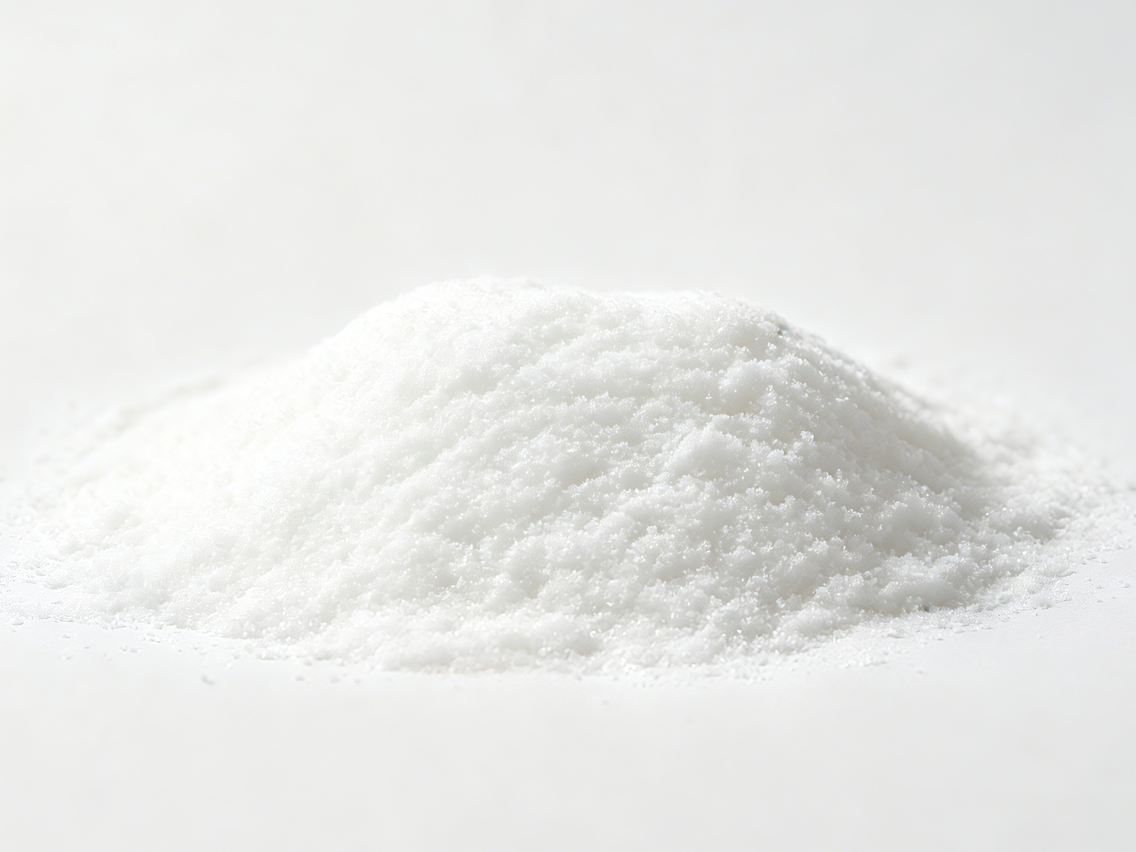
El metilsulfonilmetano (MSM), también conocido como dimetilsulfona o metilsulfona, es un compuesto organosulfurado con la fórmula química C2H6O2S y un peso molecular de 94.13 g/mol. Se identifica mediante el número de registro CAS 67-71-0 y se cita con los sinónimos dimetilsulfona, metilsulfona y DMSO2. El MSM puro se presenta como un polvo cristalino blanco con baja higroscopicidad y alta estabilidad térmica, lo que lo convierte en una materia prima fiable para la fabricación de complementos alimenticios.
El MSM actúa como un donante de azufre biodisponible. El azufre es necesario para la síntesis de aminoácidos azufrados y para los enlaces disulfuro que confieren estructura al colágeno, la queratina y las proteínas de la matriz del cartílago. Purecium suministra MSM en polvo de grado alimentario producido con una pureza mínima garantizada del 99% por cromatografía de gases, y los lotes comerciales suelen analizarse con un 99.9% o más, para marcas de complementos, fabricantes por contrato y distribuidores que operan en la Unión Europea, el Reino Unido y los mercados globales.
El mercado mundial del MSM está impulsado por la demanda sostenida de los consumidores de complementos para la movilidad articular, la recuperación deportiva y la belleza interior. Los compradores que evalúan a los proveedores de MSM suelen comparar la consistencia de la pureza, los perfiles de metales pesados, el control del tamaño de partícula y la calidad de la documentación antes de homologar a un proveedor; por eso Purecium publica especificaciones claras y respalda cada lote con registros analíticos completos.
Fuente e identidad del ingrediente
El MSM se encuentra de forma natural en pequeñas cantidades en plantas verdes, frutas, verduras y ciertos organismos marinos; también se forman trazas de forma endógena en el cuerpo humano. Para la producción comercial de complementos alimenticios, el MSM se fabrica de forma sintética mediante la oxidación controlada del dimetilsulfóxido (DMSO), el compuesto orgánico de azufre utilizado como materia prima de partida. La etapa de oxidación convierte el DMSO en la estructura de sulfona, tras lo cual el producto bruto se purifica para eliminar el disolvente residual, la humedad y los subproductos del proceso.
La identidad de cada lote de Purecium se confirma con la entrada del registro CAS 67-71-0 y se verifica mediante retención por cromatografía de gases, punto de fusión (107-109 grados Celsius) y espectroscopia infrarroja. El MSM de grado alimentario de Purecium se clasifica como fuente sintética con país de origen China, y cada lote es trazable desde la materia prima de partida hasta el bidón final.
El DMSO entrante se cualifica conforme a una especificación de proveedor aprobada antes de su liberación a producción, y los números de lote vinculan el registro de la materia prima con el certificado del producto terminado. Esta cadena de trazabilidad es importante para los reguladores y para los auditores de calidad que revisan el origen de los ingredientes durante las auditorías de clientes y de instalaciones de terceros.
Características clave del MSM
Las características clave del MSM que importan a los formuladores incluyen su contenido de azufre elemental de aproximadamente el 34 % en peso, su fácil solubilidad en agua de aproximadamente 187 g/L a 30 grados Celsius y su naturaleza cristalina y de flujo libre. El compuesto se funde a 107-109 grados Celsius y permanece estable en condiciones normales de almacenamiento, lo que favorece un comportamiento predecible en aplicaciones de mezclado, compresión, encapsulación y bebidas.
Las especificaciones comerciales incluyen la valoración por GC, metales pesados dentro de los límites de la USP, el cumplimiento de residuos de plaguicidas y disolventes residuales, y los límites microbiológicos. La distribución del tamaño de partícula está controlada y se ofrece en cortes de malla 20-40, 40-60 y 40-80, de modo que los compradores puedan adaptar la fluidez del polvo y la compresibilidad a sus equipos específicos de compresión o encapsulación.
La consistencia de la valoración se controla en cada lote y el producto se verifica de forma rutinaria frente a los estándares de referencia de la USP para confirmar el comportamiento cromatográfico. Dado que el MSM no es higroscópico y es químicamente estable a temperatura ambiente, no requiere cadena de frío y se conserva bien dentro de los revestimientos sellados de grado alimentario utilizados para el embalaje de exportación.
Fabricación de MSM
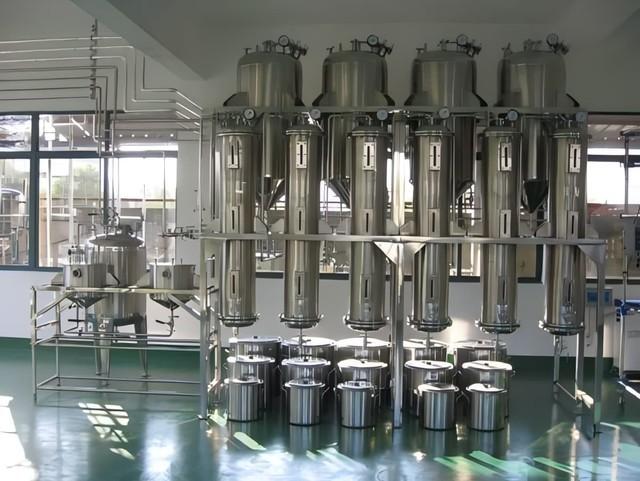
Purecium fabrica MSM en condiciones cGMP mediante un avanzado proceso de purificación por destilación térmica de varias etapas. La materia prima de partida, dimetilsulfóxido, se oxida primero y, a continuación, la sulfona resultante se destila, cristaliza, seca y tamiza hasta la fracción de malla solicitada. La destilación en varias etapas elimina las trazas de humedad, los metales pesados y el disolvente residual de forma más completa que la cristalización de una sola etapa, por lo que el polvo final es inodoro, estable y excepcionalmente puro.
Cada etapa está controlada por procedimientos escritos con controles en proceso, y las líneas de producción operan dentro de un sistema de calidad certificado ISO 9001 y FSSC 22000 que también cubre el aprovisionamiento, el almacenamiento y la expedición de cada lote.
La capacidad de producción está planificada para garantizar un suministro constante a granel para fabricantes por contrato, con los registros de lote conservados y la consistencia entre lotes supervisada mediante la revisión estadística de los datos de riqueza e impurezas. Los estudios de validación del proceso confirman que los parámetros de destilación mantienen la calidad del producto dentro de las especificaciones en series de fabricación repetidas.
Aplicaciones del MSM
El MSM se utiliza ampliamente en formulaciones dirigidas a la salud articular, la movilidad, el mantenimiento del tejido conectivo y la recuperación deportiva. Los estudios clínicos publicados sugieren que la ingesta de MSM favorece el confort y la flexibilidad articulares, y las investigaciones revisadas por pares indican beneficios para reducir el dolor muscular inducido por el ejercicio y el estrés oxidativo tras un entrenamiento de alta intensidad.
Más allá de las articulaciones, el MSM se formula en productos para la elasticidad de la piel, la fortaleza del cabello y la salud de las uñas por su papel en la reticulación de la queratina y el colágeno. Dado que el MSM se disuelve fácilmente en agua, también resulta adecuado para bebidas funcionales y formatos líquidos de complementos alimenticios, donde su perfil de sabor neutro constituye una ventaja. Los niveles de uso habituales en los productos finales los establecen los formuladores sobre la base de los protocolos clínicos publicados y de los límites normativos aplicables en el mercado de destino.
El mecanismo de acción se centra en la donación de azufre a las reservas de metionina y cisteína, lo que favorece los enlaces disulfuro que estabilizan las proteínas estructurales. Los formuladores también valoran el MSM por su bajo riesgo de interacción con otros activos, su perfil organoléptico neutro y su compatibilidad con los excipientes habituales utilizados en comprimidos, cápsulas, polvos y sobres.
Fabricación & control de calidad
El control de calidad del MSM comienza con la inspección de recepción de la materia prima DMSO y continúa con los controles en proceso hasta la liberación del producto terminado. Cada lote se analiza conforme a una especificación aprobada que sigue la metodología USP-NF y los estándares de referencia USP cuando corresponde, y cubre la valoración por GC, la identificación, los metales pesados por ICP-MS (plomo, arsénico, cadmio y mercurio), los residuos de plaguicidas, los disolventes residuales y los límites microbiológicos completos, incluidos el recuento total en placa, levaduras, mohos y coliformes.
Cada envío se libera con un certificado de análisis específico del lote y se conservan muestras de retención de cada lote. La gestión de desviaciones, el control de cambios, las auditorías internas y la verificación por laboratorios externos siguen el sistema de calidad documentado, lo que ofrece a los compradores una trazabilidad completa desde la materia prima hasta la documentación de exportación.
Un programa de estabilidad controla el contenido, el aspecto y el perfil de impurezas a lo largo del tiempo en las condiciones de almacenamiento recomendadas, y los datos resultantes respaldan las declaraciones de vida útil de los productos terminados de complementos alimenticios. Los clientes pueden solicitar el expediente analítico del lote, los documentos de auditoría y las muestras de cualificación como parte del proceso de homologación de proveedores; las consultas técnicas se responden en un día hábil.
MSM para la fabricación de complementos alimenticios B2B
Purecium suministra MSM en polvo a compradores B2B, incluidos distribuidores, fabricantes por contrato y marcas blancas. El embalaje comercial estándar son bidones de fibra de 25 kg con doble revestimiento interior de polietileno de grado alimentario; los cortes de malla, tamaños de bidón y etiquetado privado personalizados están disponibles bajo pedido. Las cantidades mínimas de pedido están estructuradas para la fabricación a granel, y los pedidos estándar se envían desde nuestros centros logísticos en un plazo de 3 a 5 días laborables por mensajería aérea o transporte marítimo a destinos de la UE, el Reino Unido y todo el mundo.
Cada envío incluye un certificado de análisis, ficha de datos de seguridad, declaración de ausencia de OMG y declaración de ausencia de alérgenos. Se ofrecen muestras analíticas gratuitas de 100 g a 500 g para el prototipado de I+D, y nuestro equipo técnico le ayuda con las cuestiones de formulación, estabilidad y documentación normativa antes de que escale al volumen comercial.
Revisado por el Jefe de Garantía de Calidad / Especialista en Asuntos Regulatorios de Purecium para garantizar la exactitud técnica y la conformidad normativa.
Compra de MSM para España y América Latina
Purecium suministra MSM a granel para fabricantes por contrato (CDMO), distribuidores de ingredientes y marcas propias en España, México, Argentina, Chile, Perú, Colombia y Uruguay. MOQ estándar de 25 kg, muestras gratuitas con COA, plazo de 7 a 15 días para calidades en stock y atención comercial en español con respuesta en 12 horas hábiles; las condiciones de pago (50 % de anticipo y 50 % contra documentos de embarque) y los Incoterms (FOB Hong Kong, CIF o DDP) son negociables según volumen e historial.
Para el trámite de registro sanitario entregamos el paquete documental (COA por lote, ficha técnica/TDS, FDS y certificados GMP, ISO 9001, FSSC 22000, Kosher y Halal): control de calidad y documentación · fabricación por contrato (OEM/ODM) · solicitar cotización.
Revisado por el jefe de Garantía de Calidad / especialista en Asuntos Regulatorios.
Logística y registro sanitario de MSM (metilsulfonilmetano) para América Latina
Purecium exporta MSM (metilsulfonilmetano) a granel a México, Colombia, Perú, Chile, Argentina y otros mercados latinoamericanos. Los pedidos se despachan desde Hong Kong por vía aérea o marítima (contenedor completo o consolidado), según el Incoterm acordado (FOB Hong Kong, CIF o DDP); el tránsito hasta el puerto de destino, los requisitos de importación y los aranceles se confirman en cada cotización.
Para el registro sanitario local, los fabricantes y distribuidores presentan la documentación técnica ante la autoridad de su país: COFEPRIS en México, INVIMA en Colombia, ANMAT en Argentina, ISP en Chile y DIGEMID en Perú. Con cada lote entregamos COA, ficha técnica (TDS), FDS y certificados GMP, ISO 9001, FSSC 22000, Kosher y Halal; la atención comercial es en español, con respuesta en 12 horas hábiles. También abastecemos a clientes de Norteamérica (Estados Unidos y Canadá) desde nuestro almacén en Estados Unidos, con reposición rápida para líneas de producción en esa región.