

Proteína de guisante
Proteína completa, de origen vegetal natural
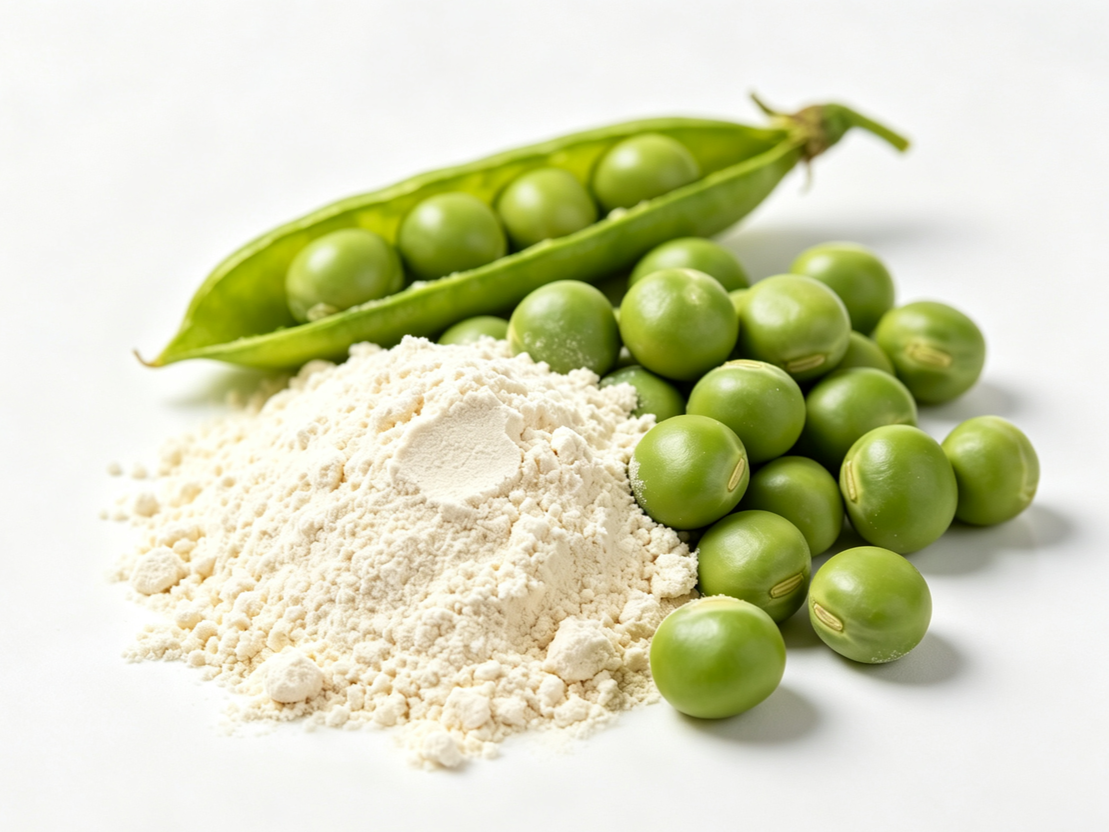
Proteína de guisante
Purecium suministra proteína de guisante en polvo de alta pureza diseñada para fabricantes de complementos alimenticios, marcas blancas y envasadores por contrato de todo el mundo. Extraída de guisantes amarillos mediante un proceso de aislamiento a base de agua, nuestra proteína de guisante ofrece un sólido perfil de aminoácidos esenciales, que incluye un contenido naturalmente alto de lisina y BCAA, junto con una excelente solubilidad y una composición libre de alérgenos, lo que la convierte en una alternativa líder de origen vegetal para la nutrición deportiva y las fórmulas veganas. Cada lote se envía con un certificado de análisis completo que cubre metales pesados, límites microbiológicos y contenido de aminoácidos, lo que garantiza la preparación normativa para los mercados de EE. UU., la UE e internacionales. La cadena de suministro escalable de Purecium y su soporte B2B ágil nos convierten en un socio de ingredientes fiable a largo plazo.
Resumen para compradores: MOQ 25 kg; muestras gratis con COA; plazo de 7 a 15 días para calidades en stock; FOB Hong Kong / CIF / DDP; stock en Estados Unidos; COA / TDS / SDS por lote; respuesta en 12 horas hábiles. Cotización a solicitud y muestras enviadas a todo el mundo.
Nombre del producto: Proteína de guisante
Fórmula molecular: NA
Materia prima: Guisante
Calidad: Grado alimentario
Metales pesados: USP
Residuos de plaguicidas: USP/EP
Tamaño de envase: 25 kg/bolsa
Polvo de proteína de guisante (orgánico)
CAS#: No disponible
Peso molecular: No disponible
Origen: Natural
Especificación: 85%
País de origen: China
Disolvente residual: USP/EP
Sin alérgenos/Sin gluten/No transgénico/Vegano/Sin irradiación

Descripción general de la proteína de guisante
La proteína de guisante en polvo de Purecium es un ingrediente proteico de origen vegetal extraído de guisantes amarillos (Pisum sativum), producido específicamente para su uso como materia prima en complementos alimenticios, productos de nutrición deportiva y formulaciones de alimentos funcionales. Como proveedor B2B de ingredientes, Purecium atiende a distribuidores, fabricantes por contrato (CMOs/CDMOs) y marcas de producto final que buscan una fuente de proteína no modificada genéticamente (non-GMO) y con bajo potencial alergénico, con un sólido posicionamiento en nutrición deportiva y bienestar general para cápsulas, comprimidos, proteínas en polvo, batidos y barritas.
La proteína de guisante se obtiene mediante un proceso de extracción y aislamiento a base de agua que separa la fracción proteica de los componentes de almidón y fibra del guisante, sin el uso de disolventes químicos. El resultado es un polvo fino, de color blanquecino a beige claro, con un perfil de sabor ligeramente terroso característico de las proteínas derivadas de legumbres. La proteína de guisante se ha convertido en una de las proteínas vegetales más utilizadas en las categorías globales de nutrición deportiva y formulaciones veganas, en gran parte debido a su composición de aminoácidos favorable en comparación con otras fuentes de origen vegetal.
Perfil de aminoácidos
La proteína de guisante se distingue entre las proteínas vegetales por su composición relativamente alta en aminoácidos esenciales (EAA):
- Aminoácidos de cadena ramificada (BCAAs): Naturalmente rica en leucina, isoleucina y valina, aminoácidos que suelen asociarse con el apoyo a la síntesis de proteínas musculares en la literatura sobre nutrición deportiva
- Lisina: Presenta un contenido de lisina notablemente superior al de la mayoría de las demás proteínas vegetales (como la proteína de arroz o de trigo), razón clave por la que la proteína de guisante se utiliza con frecuencia como componente que aporta lisina en fórmulas combinadas de proteínas vegetales
- Arginina: Presente en cantidades significativas; es un aminoácido de interés en contextos de formulación para el bienestar cardiovascular y circulatorio general
- Metionina: Presente en niveles comparativamente más bajos, de forma similar a la mayoría de las proteínas derivadas de legumbres, por lo que la proteína de guisante suele combinarse con fuentes más ricas en metionina (como la proteína de arroz) en fórmulas combinadas de perfil completo
- Perfil global: Contiene los nueve aminoácidos esenciales, lo que la califica como una fuente de "proteína completa" de origen vegetal, aunque la proporción difiere de la de las proteínas de origen animal, como el suero de leche
Fuente e identidad del ingrediente
- Origen botánico: Guisantes amarillos (Pisum sativum)
- Método de extracción: Proceso de aislamiento en medio acuoso (extracción sin disolventes químicos)
- Aspecto: Polvo fino, de color blanco roto a beige claro
- Contenido de proteína: Normalmente mínimo 80% (sobre materia seca), según la especificación del grado
- Solubilidad: Buena solubilidad, especialmente favorable para aplicaciones en bebidas y batidos en comparación con algunas otras proteínas vegetales
- Estado alergénico: Libre de los principales alérgenos: lácteos, soja, huevo, gluten, frutos secos de cáscara y mariscos
- Compatibilidad dietética: Apto para veganos y vegetarianos, Non-GMO, sin gluten; disponibilidad de origen compatible con kosher/halal
- Opciones de envasado: Sacos o bidones de 25kg; envasado personalizado disponible para programas de marca blanca
- Grados disponibles: Concentrado de proteína de guisante estándar, aislado de proteína de guisante de alta pureza y proteína de guisante con certificación ecológica
Características clave de la proteína de guisante
- Alta digestibilidad: La proteína de guisante suele obtener buenas puntuaciones en las medidas estándar de digestibilidad de proteínas utilizadas en la literatura de ciencias de la nutrición, lo que respalda su uso en fórmulas de nutrición general y de recuperación postejercicio
- Posicionamiento de sostenibilidad: Al ser un cultivo de leguminosas, los guisantes se citan con frecuencia en la literatura sobre sostenibilidad por un menor uso de agua y tierra en comparación con algunas fuentes de proteína animal, un factor de posicionamiento cada vez más relevante para los clientes de marcas B2B concienciados con el medio ambiente
- Perfil de sabor: Presenta una nota de sabor característica "terrosa" o "a legumbre" más pronunciada que la proteína de arroz, que los formuladores suelen gestionar mediante sistemas aromáticos, agentes enmascarantes o mezclas con proteínas de sabor más suave
- Textura y sensación en boca: Puede presentar una sensación en boca ligeramente arenosa o calcárea en niveles de inclusión más altos en aplicaciones de bebidas, un aspecto que los formuladores tienen en cuenta al desarrollar las recetas
- Compatibilidad de mezcla: Se combina con frecuencia con proteína de arroz, proteína de cáñamo u otras proteínas vegetales para equilibrar el sabor, el perfil de aminoácidos y la textura en los productos finales
Fabricación de proteína de guisante
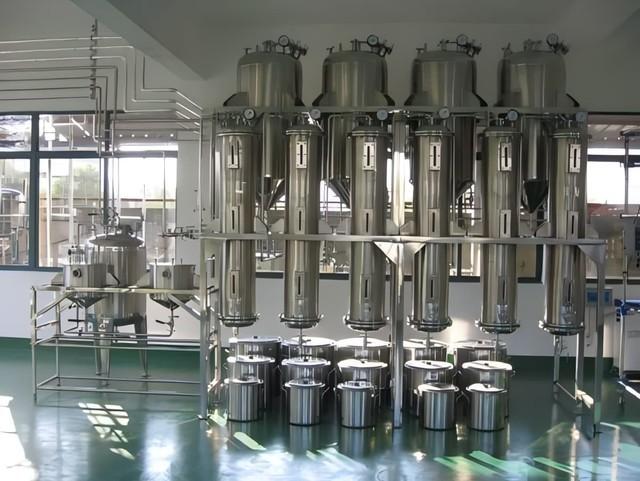
- Selección de materia prima: Los guisantes amarillos se obtienen y se criban para garantizar su calidad y homogeneidad antes del procesamiento
- Molienda y descascarillado: Los guisantes se muelen y se descascarillan para separar la capa externa de fibra de los componentes internos de almidón y proteína
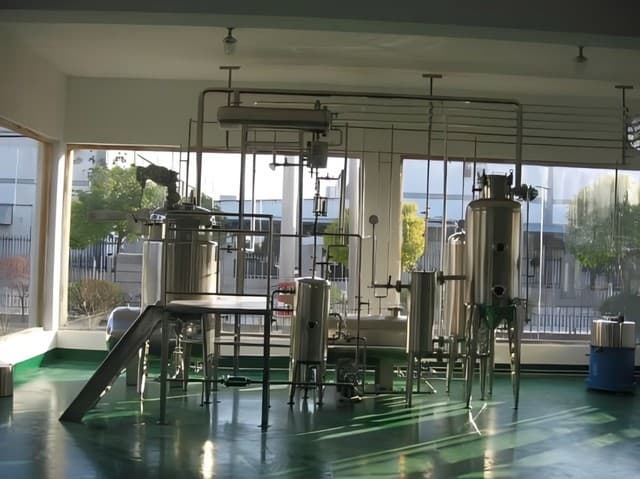
- Extracción acuosa: Un proceso de aislamiento en medio acuoso separa la fracción proteica del almidón y la fibra, sin utilizar disolventes químicos
- Separación y concentración: La fracción rica en proteína pasa por etapas adicionales de separación y concentración hasta alcanzar la especificación de proteína objetivo
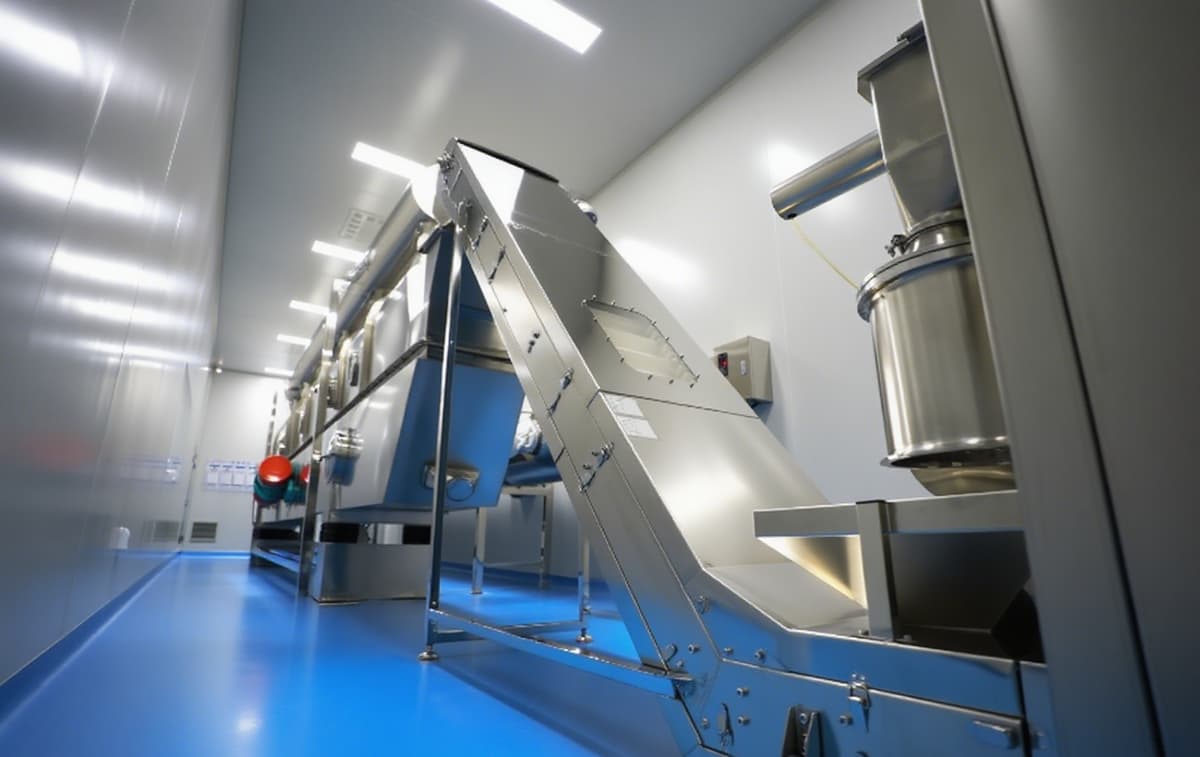
- Secado: El secado por atomización a baja temperatura convierte la suspensión concentrada de proteína en un polvo fino y estable, contribuyendo a preservar la integridad de la proteína y sus propiedades funcionales
- Molienda y clasificación por tamaño: El polvo seco se muele hasta el tamaño de partícula especificado por el cliente para la aplicación prevista (grado bebida, grado para comprimidos o grado para encapsulación)
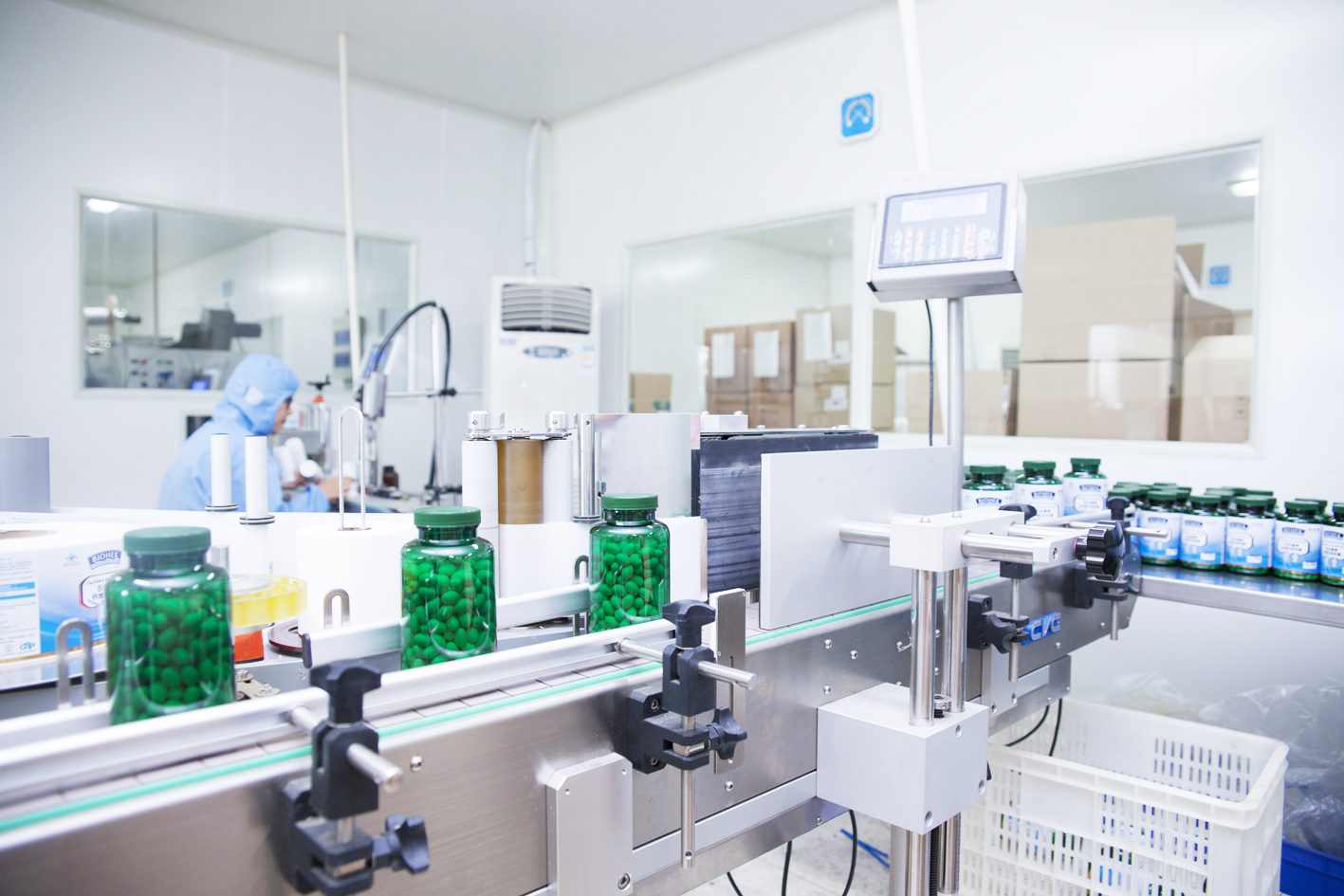
- Control de calidad y envasado: Cada lote se somete a pruebas antes del envasado conforme a los protocolos de calidad de la instalación
Aplicaciones de la proteína de guisante
El polvo de proteína de guisante se utiliza ampliamente en las industrias de complementos alimenticios, nutrición deportiva y alimentos funcionales para las siguientes categorías:
- Formulaciones de nutrición deportiva y recuperación postentrenamiento — una de las proteínas vegetales más utilizadas en esta categoría, valorada por su contenido en BCAA y lisina
- Proteínas en polvo veganas y de origen vegetal — se utilizan con frecuencia como fuente principal de proteína o se combinan con proteínas vegetales complementarias para optimizar el perfil de aminoácidos
- Formulaciones de sustitución de comidas y nutrición general — se utilizan tanto como fuente de proteína independiente como componente en mezclas nutricionales de múltiples ingredientes
- Aplicaciones de barritas funcionales y panadería — valorada por sus propiedades aglutinantes y su densidad proteica en formatos horneados o extruidos
- Formulaciones aptas para alérgicos / libres de alérgenos — líneas de complementos alimenticios comercializadas específicamente para consumidores que evitan los lácteos, la soja, el huevo o el gluten
La literatura científica publicada en nutrición ha examinado la composición de aminoácidos de la proteína de guisante y su papel en el apoyo a la síntesis de proteínas musculares, con investigaciones comparativas en la literatura de nutrición deportiva que exploran los resultados en relación con otras fuentes de proteínas, incluidas proteínas de origen animal como el suero de leche. Algunos estudios publicados han sugerido que la proteína de guisante, cuando se consume en dosis suficientes, puede respaldar resultados de fuerza y masa magra ampliamente comparables a los de otras fuentes de proteínas habituales en estudios de entrenamiento de resistencia con población general. Otras investigaciones publicadas han examinado los hidrolizados de proteína de guisante en el contexto del interés por formulaciones para el bienestar cardiovascular y metabólico general, atribuido a fracciones peptídicas específicas generadas durante el procesado. Es importante señalar que la proteína de guisante está regulada a nivel mundial como ingrediente alimentario/alimento, no como medicamento, y Purecium no realiza declaraciones de tratamiento de enfermedades ni diagnósticas; cualquier posicionamiento relacionado con la salud debe ser fundamentado de forma independiente por el propietario de la marca de acuerdo con el marco normativo de su mercado objetivo (p. ej., la DSHEA de la FDA en EE. UU. y la normativa sobre declaraciones de propiedades saludables de la EFSA en la UE).
Mecanismo de acción
A nivel de composición, las propiedades funcionales de la proteína de guisante suelen atribuirse a los siguientes factores:
- Contenido de BCAA y leucina — la leucina, en particular, se cita ampliamente en la bibliografía de nutrición deportiva como un desencadenante clave para iniciar las vías de síntesis de proteínas musculares; el contenido de leucina naturalmente favorable de la proteína de guisante es una razón principal para su adopción en formulaciones de recuperación y rendimiento.
- Aporte de lisina en formulaciones combinadas — el contenido de lisina relativamente alto de la proteína de guisante, en comparación con las proteínas vegetales derivadas de cereales, es utilizado habitualmente por los formuladores para corregir la deficiencia de lisina típica de proteínas como la proteína de arroz o de trigo al crear un producto de aminoácidos combinado y más completo.
- Digestibilidad y cinética de absorción — la proteína de guisante suele caracterizarse en la bibliografía por tener una velocidad de digestión y de absorción de aminoácidos situada entre la proteína de suero de leche de digestión rápida y la caseína de digestión más lenta, una característica que a veces se menciona en contextos de formulación orientados a una disponibilidad sostenida de aminoácidos.
Estos mecanismos se describen a nivel general, con referencia a la bibliografía; Purecium no atribuye resultados clínicos específicos a su ingrediente y anima a sus socios de marca a consultar la normativa vigente para la justificación de declaraciones en sus mercados objetivo.
Fabricación y control de calidad
El polvo de proteína de guisante de Purecium se fabrica bajo un sistema de calidad diseñado para cumplir los requisitos de documentación y consistencia de los fabricantes mundiales de complementos alimenticios:
- Certificaciones de las instalaciones: fabricación conforme a GMP, protocolos de seguridad alimentaria HACCP y gestión de seguridad alimentaria ISO 22000, con líneas de producción certificadas ecológicas y Non-GMO disponibles
- Protocolo de análisis: cada lote se analiza para detectar metales pesados (plomo, arsénico, cadmio, mercurio), residuos de plaguicidas, límites microbiológicos (recuento total en placa, levaduras/moho, patógenos incluidos Salmonella y E. coli) y especificaciones nutricionales (contenido de proteína, perfil de aminoácidos, humedad, tamaño de partícula)
- Control de alérgenos: controles de procesamiento específicos para minimizar el riesgo de contaminación cruzada con alérgenos principales, respaldados por documentación de declaración de alérgenos en cada envío
- Documentación: Certificado de análisis (COA), Certificado de origen, declaraciones de alérgenos, informes de metales pesados, informes de perfil de aminoácidos e informes de pruebas microbiológicas incluidos con cada envío; documentación de apoyo normativo (declaraciones de ausencia de TSE/BSE y declaraciones de ausencia de OMG) disponible para necesidades de cumplimiento específicas de cada mercado
Proteína de guisante para la fabricación B2B de complementos alimenticios
Purecium gestiona una cadena de suministro coordinada — desde el aprovisionamiento de guisante crudo hasta la extracción acuosa, el secado, la molienda y el envasado — lo que permite una calidad uniforme entre lotes y plazos de entrega fiables para socios B2B.
- Tipos de clientes atendidos: Distribuidores, comercializadores de ingredientes, fabricantes por contrato (CMO/CDMO), marcas de nutrición deportiva y complementos alimenticios de marca blanca, y empresas de producto terminado
- Flexibilidad de pedidos: MOQ adecuados tanto para pedidos de prueba o muestras como para tiradas de producción de gran volumen; opciones de envasado en bidón, saco y contenedor a granel
- Personalización: Grado de concentración proteica (concentrado vs. aislado), ajuste del tamaño de partícula, envasado y etiquetado personalizados para programas de marca blanca, y fichas técnicas adaptadas a las necesidades normativas del cliente
- Logística: Documentación preparada para exportación, coordinación del envío internacional y planificación de inventarios coherente para respaldar acuerdos de suministro a largo plazo
- Soporte normativo: Asistencia con la documentación requerida para presentaciones normativas ante la FDA, la EFSA y otras autoridades regionales, incluidas referencias de etiquetado de alérgenos y apoyo en el cumplimiento de ingredientes para complementos alimenticios cuando proceda
¿Cómo se compara la proteína de guisante a granel con las proteínas de arroz, soja y cáñamo en términos de especificación, dosificación, manejo y regulatorios?
La proteína de guisante (Pisum sativum) es una proteína derivada de leguminosas típicamente estandarizada al 80% de proteína en base seca. Su número CAS es 222400-29-5. Como ingrediente a granel, se valora por su perfil equilibrado de aminoácidos, aunque es limitante en metionina. La proteína de arroz, por el contrario, es una proteína derivada de cereales generalmente al 80% de proteína, con un número CAS de 9007-49-2 para la fracción proteica. La proteína de arroz es notablemente baja en lisina, lo que la hace complementaria a la de guisante en mezclas. El aislado de proteína de soja es una proteína de leguminosa altamente refinada al 90% de proteína, CAS 9010-10-0, con un perfil completo de aminoácidos. La proteína de cáñamo se deriva de la semilla de Cannabis sativa y típicamente contiene 50% de proteína, con CAS 9007-49-2 para el aislado proteico, aunque está menos estandarizada. Estas diferencias afectan los objetivos de formulación y las declaraciones de etiquetado. En dosificación, la proteína de guisante se usa comúnmente a 10–30 g por porción en aplicaciones alimentarias y de suplementos. La proteína de arroz requiere dosis similares pero a menudo cantidades mayores para compensar su menor contenido de lisina. El aislado de proteína de soja es efectivo a 10–25 g por porción debido a su alta digestibilidad (PDCAAS 1.0). La proteína de cáñamo, con menor densidad proteica, puede necesitar 20–40 g para lograr una entrega comparable de proteína. La solubilidad varía: la proteína de guisante tiene solubilidad moderada, a menudo requiere mezclado de alto cizallamiento; la proteína de arroz es poco soluble y puede ser arenosa; el aislado de proteína de soja es altamente soluble; la proteína de cáñamo es la menos soluble y puede sedimentar. Estabilidad: la proteína de guisante es estable en condiciones ambientales pero puede gelificar al calentarse; la proteína de arroz es estable al calor; el aislado de proteína de soja es sensible al procesamiento térmico; la proteína de cáñamo es propensa a la oxidación debido a su contenido lipídico. Situación regulatoria: la proteína de guisante es generalmente reconocida como segura (GRAS) en EE. UU. y aprobada en la UE como nuevo alimento o alimento tradicional. La proteína de arroz es GRAS y ampliamente aceptada. El aislado de proteína de soja es GRAS pero es un alérgeno principal que requiere etiquetado. La situación regulatoria de la proteína de cáñamo varía; en EE. UU., la proteína de semilla de cáñamo es GRAS, pero en la UE está sujeta a regulaciones de nuevos alimentos. Formas de suministro: la proteína de guisante está disponible como polvo fino o granulado; la proteína de arroz como polvo fino; el aislado de proteína de soja como polvo o extruido; la proteína de cáñamo como polvo con tamaño de partícula variable. La documentación para todas incluye certificado de análisis, declaración de alérgenos y hoja de datos de seguridad. La proteína de guisante típicamente requiere documentación adicional para declaraciones no transgénicas y sin gluten.Comparación en tabla.
La tabla siguiente recoge los parámetros que determinan cómo se especifica, dosifica y documenta cada material en una formulación acabada.Parámetro
Proteína de guisante
Proteína de arroz
Aislado de proteína de soja
Número CAS
222400-29-5
9007-49-2
9010-10-0
Clase química
Proteína de leguminosa
Proteína de cereal
Proteína de leguminosa
Dosis típica
10-30 g/porción
15-30 g/porción
10-25 g/porción
Solubilidad
Moderada
Baja
Alta
Estabilidad
Sensible al calor
Estable al calor
Termolábil
Situación regulatoria
GRAS (EE. UU.), nuevo alimento (UE)
GRAS (EE. UU.), aceptado (UE)
GRAS, etiquetado de alérgenos
Forma de suministro
Polvo fino, granulado
Polvo fino
Polvo, extruido
Documentación
CoA, alérgenos, SDS, no transgénico
CoA, alérgenos, SDS
CoA, alérgenos, SDS
Compra de proteína de guisante para España y América Latina
Purecium suministra proteína de guisante a granel para fabricantes por contrato (CDMO), distribuidores de ingredientes y marcas propias en España, México, Argentina, Chile, Perú, Colombia y Uruguay. MOQ estándar de 25 kg, muestras gratuitas con COA, plazo de 7 a 15 días para calidades en stock y atención comercial en español con respuesta en 12 horas hábiles; las condiciones de pago (50 % de anticipo y 50 % contra documentos de embarque) y los Incoterms (FOB Hong Kong, CIF o DDP) son negociables según volumen e historial.
Para el trámite de registro sanitario entregamos el paquete documental (COA por lote, ficha técnica/TDS, FDS y certificados GMP, ISO 9001, FSSC 22000, Kosher y Halal): control de calidad y documentación · fabricación por contrato (OEM/ODM) · solicitar cotización.
Revisado por el jefe de Garantía de Calidad / especialista en Asuntos Regulatorios.
Logística y registro sanitario de Proteína de guisante para América Latina
Purecium exporta Proteína de guisante a granel a México, Colombia, Perú, Chile, Argentina y otros mercados latinoamericanos. Los pedidos se despachan desde Hong Kong por vía aérea o marítima (contenedor completo o consolidado), según el Incoterm acordado (FOB Hong Kong, CIF o DDP); el tránsito hasta el puerto de destino, los requisitos de importación y los aranceles se confirman en cada cotización.
Para el registro sanitario local, los fabricantes y distribuidores presentan la documentación técnica ante la autoridad de su país: COFEPRIS en México, INVIMA en Colombia, ANMAT en Argentina, ISP en Chile y DIGEMID en Perú. Con cada lote entregamos COA, ficha técnica (TDS), FDS y certificados GMP, ISO 9001, FSSC 22000, Kosher y Halal; la atención comercial es en español, con respuesta en 12 horas hábiles. También abastecemos a clientes de Norteamérica (Estados Unidos y Canadá) desde nuestro almacén en Estados Unidos, con reposición rápida para líneas de producción en esa región.