

PQQ (pirroloquinolina quinona)
Mejore las mitocondrias y promueva la vitalidad celular
Suministro global B2B de materias primas premium de PQQ
Purecium es un proveedor B2B global de primer nivel de pirroloquinolina quinona (PQQ) de alta pureza. Con frecuencia denominado coenzima de la longevidad, el PQQ es un potente compuesto bioactivo que estimula la biogénesis mitocondrial, aumenta la producción de energía celular (ATP) y promueve la síntesis del factor de crecimiento nervioso (NGF). Suministramos exclusivamente materias primas de PQQ de grado alimentario y alta biodisponibilidad, adaptadas para distribuidores, fabricantes por contrato (OEM/ODM) y marcas finales que desarrollan complementos alimenticios premium para el apoyo cognitivo, el antienvejecimiento y la salud cardiovascular.
Resumen para compradores: MOQ 25 kg; muestras gratis con COA; plazo de 7 a 15 días para calidades en stock; FOB Hong Kong / CIF / DDP; stock en Estados Unidos; COA / TDS / SDS por lote; respuesta en 12 horas hábiles. Cotización a solicitud y muestras enviadas a todo el mundo.
Nombre del producto: PQQ (pirroloquinolina quinona sal disódica)
Fórmula molecular: C14H4N2Na2O8
Material de partida: maíz
Grado: grado alimentario
Metales pesados: USP/EP
Residuos de plaguicidas: USP/EP
Formato de envasado: 25 kg/bidón
Producto disponible:
- PQQ (pirroloquinolina quinona sal disódica)
CAS#: 122628-50-6
Peso molecular: 374.17 g/mol
Fuente: Fermentación
Especificación: 98% HPLC
País de origen: China
Disolvente residual: USP/EP
Libre de alérgenos/Sin gluten/No-GMO/Vegano/Sin irradiación

Descripción general de PQQ (pirroloquinolina quinona)
La pirroloquinolina quinona (PQQ, como sal disódica biodisponible, CAS 122628-50-6, fórmula molecular C14H4N2Na2O8, peso molecular 374.17 g/mol) es un cofactor quinónico con actividad redox presente en alimentos de origen vegetal y estudiado por su papel en la señalización de la biogénesis mitocondrial. Descrita inicialmente como cofactor enzimático bacteriano y detectada posteriormente en la soja fermentada, los pimientos verdes, el kiwi y la leche materna, la PQQ ha pasado de la bioquímica enzimática a ser uno de los nutrientes en dosis bajas más investigados dentro de la categoría de complementos alimenticios. Dado que la molécula participa en reacciones redox celulares a concentraciones muy bajas, el interés comercial abarca actualmente el apoyo energético mitocondrial, el rendimiento cognitivo y las fórmulas para un envejecimiento saludable, y los estudios continúan investigando cómo influye este cofactor en el metabolismo energético celular a lo largo de la vida.
Purecium suministra sal disódica de PQQ de grado alimentario en polvo a granel, producida mediante fermentación microbiana controlada y no mediante síntesis química. El material se suministra como una sal disódica cristalina de alta pureza, adecuada para dosificar en cantidades del orden de miligramos en cápsulas, comprimidos y mezclas en polvo, y se entrega con un certificado de análisis completo en cada lote. La PQQ derivada de fermentación también respalda las declaraciones de etiquetado limpio para las marcas que evitan los coadyuvantes de procesamiento sintéticos. Además del grado cristalino estándar, el proveedor también ofrece grados de PQQ liposomal y encapsulada para marcas que necesitan características de manipulación o liberación modificadas en los productos finales.
Fuente e identidad del ingrediente
PQQ se descubrió originalmente como un cofactor redox necesario para el metabolismo oxidativo de ciertas bacterias metilotróficas y, posteriormente, se identificó en diversos alimentos de origen vegetal y en la leche materna; la bibliografía de respaldo está indexada por la National Library of Medicine. Hoy en día, la producción comercial se basa en la fermentación microbiana de sustratos de origen vegetal, lo que da lugar a una molécula biológicamente idéntica con un perfil de impurezas más limpio que el de las rutas químicas tradicionales. La forma de ácido libre (CAS 72909-34-3) es muy higroscópica y difícil de manipular, por lo que la sal disódica domina el suministro comercial.
La identidad del material a granel de PQQ está vinculada a la entrada de registro de la sal disódica CAS 122628-50-6, la forma utilizada en los complementos alimenticios comerciales. En comparación con el ácido libre, la sal disódica ofrece menor higroscopicidad, una red cristalina estable y una manipulación reproducible en mezclas de dosis bajas, al tiempo que conserva el mismo núcleo de quinona con actividad redox que impulsa el interés por este ingrediente. Los compradores que se abastecen de PQQ deben especificar la sal disódica en los documentos de cualificación, y el proveedor mantiene los datos de identidad, valoración e impurezas de la forma de sal dentro de un único programa de proveedores cualificados. Los estándares de referencia de la sal disódica permiten realizar pruebas de identidad reproducibles, de modo que los clientes pueden cualificar los lotes entrantes con confianza.
Características clave de la PQQ (pirroloquinolina quinona)
La característica definitoria de la PQQ es su estructura de quinona, que permite ciclos redox repetidos entre los estados oxidado y reducido sin consumirse en el proceso, una propiedad inusual que la distingue de los antioxidantes estequiométricos descritos en la literatura bioquímica. Debido a este comportamiento de tipo catalítico, las cantidades eficaces en entornos de investigación y en productos comerciales son notablemente bajas, normalmente en el intervalo de pocos miligramos en lugar de la escala de gramos utilizada para muchos otros nutrientes. Los trabajos revisados por pares e indexados por los National Institutes of Health han examinado esta actividad redox en el contexto del metabolismo energético celular y la defensa antioxidante.
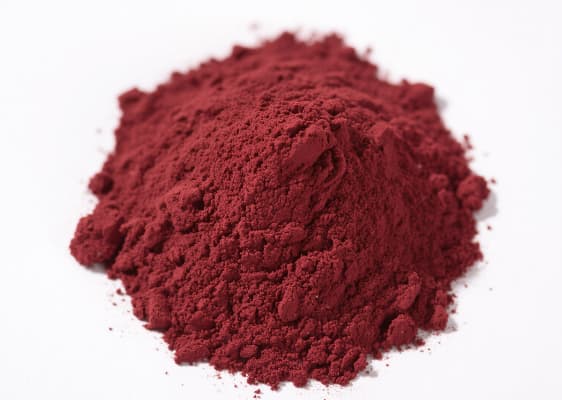
Físicamente, el material es un polvo cristalino de color pardo rojizo con una pureza elevada por HPLC, contenido de metales pesados dentro de los límites de la USP y características de flujo adecuadas para la encapsulación y la compresión en comprimidos. La principal consideración de estabilidad es la luz: el cromóforo de quinona es sensible a la exposición prolongada a la radiación UV, por lo que el polvo se manipula, envasa y almacena en condiciones de protección frente a la luz desde la cristalización hasta la fabricación del producto acabado, de acuerdo con las directrices de manipulación resumidas en obras de referencia alojadas por el National Center for Biotechnology Information. En envases sellados y resistentes a la luz a temperatura controlada, el ingrediente mantiene sus especificaciones durante la vida útil asignada, y la documentación de estabilidad acompaña a cada expediente de cualificación.
Fabricación de PQQ (Pirroloquinolina Quinona)
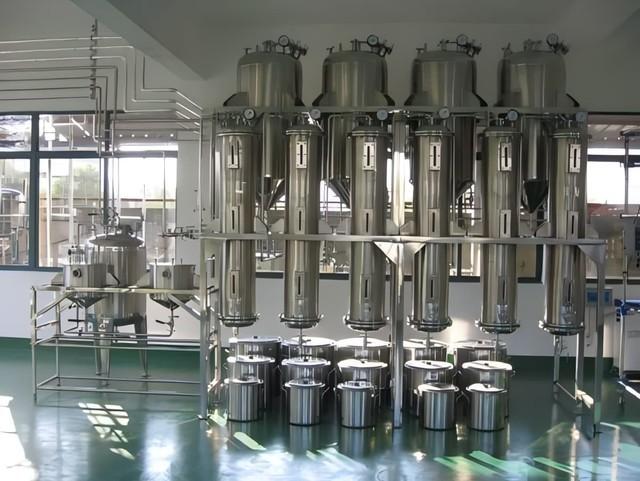
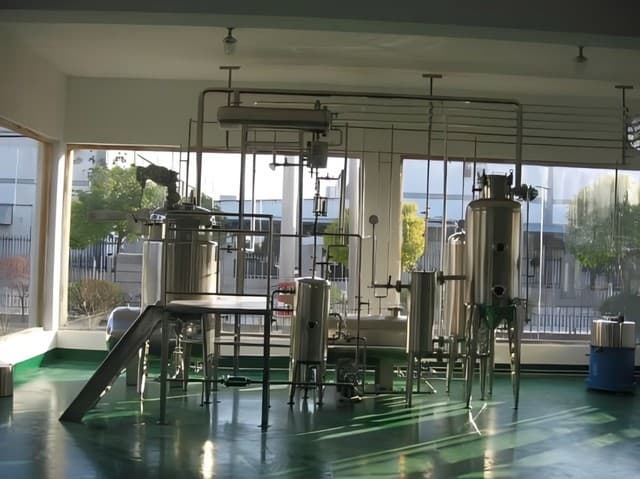
Purecium fabrica sal disódica de PQQ mediante una ruta de fermentación microbiana que parte de sustratos de azúcar de origen vegetal. En el proceso, la cepa de producción convierte el sustrato en pirroloquinolina quinona, que se recupera del caldo de fermentación, se purifica mediante una serie de etapas de membrana y cromatográficas y se convierte en la sal disódica mediante neutralización y cristalización controladas. Los parámetros del proceso están fijados en el registro maestro de lote, y se analizan muestras en proceso en cada etapa para eliminar las impurezas relacionadas con el proceso y las proteínas residuales antes del secado.
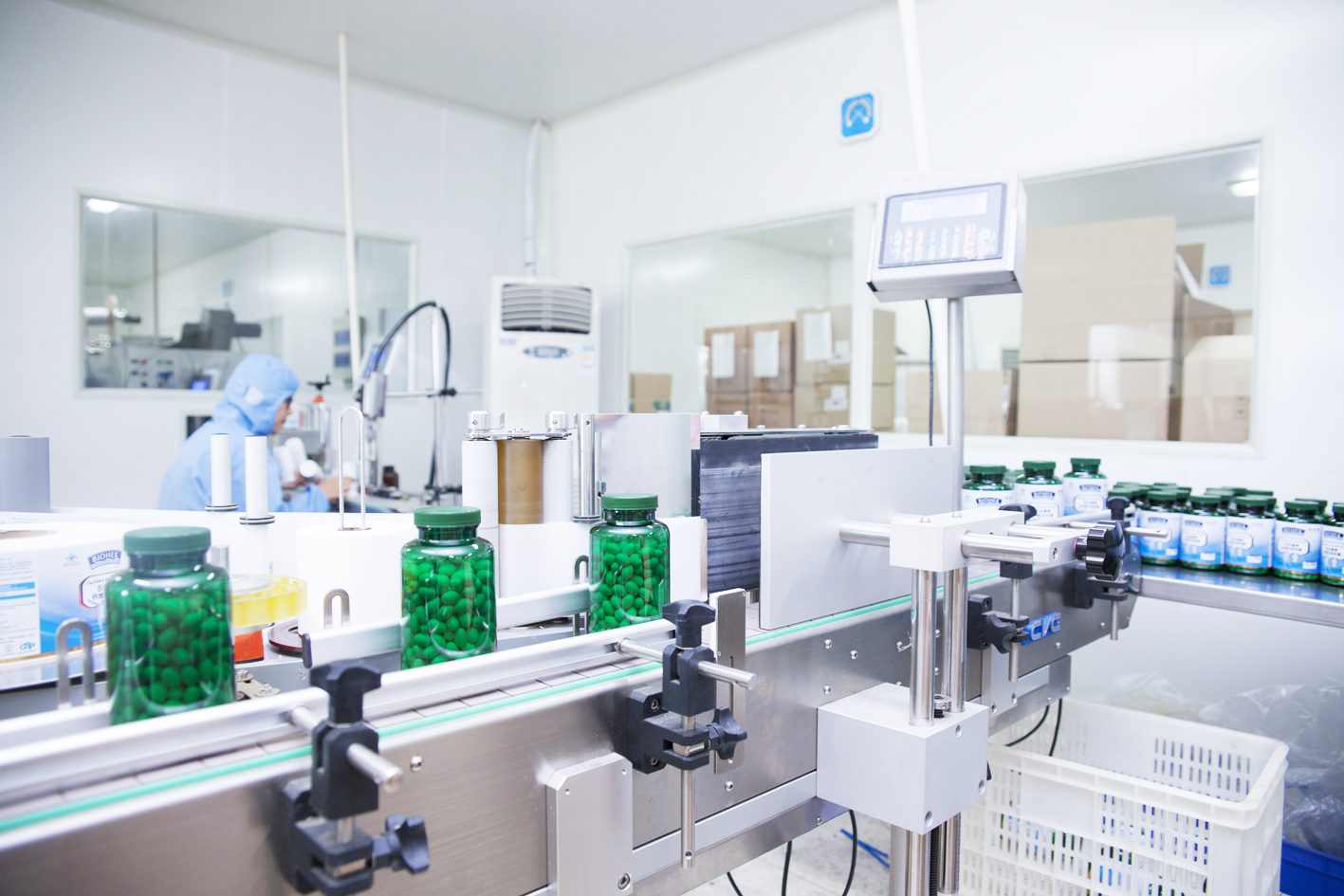
Tras la cristalización, el producto se seca en condiciones controladas, se ajusta de tamaño para lograr una distribución de partículas uniforme y se envasa en condiciones de baja humedad y protegido de la luz para conservar el contenido y el aspecto durante el transporte y el almacenamiento. Los programas de estabilidad siguen diseños de estudio alineados con las directrices del International Council for Harmonisation y cubren una vida útil estándar de 24 meses, con datos acelerados y en tiempo real disponibles para respaldar los expedientes de registro de los clientes en mercados regulados. Dado que la ruta de fermentación evita los disolventes fuertes y los reactivos agresivos asociados a algunos procesos sintéticos, ofrece un perfil de impurezas uniforme que los propietarios de marcas pueden reproducir lote tras lote.
Aplicaciones de la PQQ (pirroloquinolina quinona)
La PQQ es utilizada por marcas de complementos alimenticios y fabricantes por contrato en cuatro grupos principales de aplicaciones, cada uno vinculado a un mecanismo de interés distinto. En primer lugar, fórmulas para la salud mitocondrial y la energía, donde la investigación sobre la señalización de la biogénesis mitocondrial proporciona la base científica y la PQQ se posiciona para favorecer la producción de energía celular. En segundo lugar, productos de apoyo cognitivo, donde el interés se centra en la investigación sobre el factor de crecimiento nervioso y en las medidas asociadas del rendimiento cognitivo en la literatura revisada por pares. En tercer lugar, fórmulas antioxidantes y de equilibrio redox que aprovechan el ciclo redox repetido de la estructura de quinona. En cuarto lugar, productos para un envejecimiento saludable, donde la PQQ se combina con frecuencia con la coenzima Q10 (CoQ10) en combinaciones de apoyo mitocondrial que asocian estos dos nutrientes redox.
En todos los productos comerciales, las dosis de PQQ en los productos finales suelen situarse en el intervalo de 10 a 40 mg al día, y muchas fórmulas energéticas y cognitivas se elaboran en torno a 20 mg; los niveles finales los determina la propia revisión normativa y el cumplimiento del etiquetado de cada marca, y no una única norma recomendada. Los puntos de referencia normativos y científicos proceden de fuentes institucionales, incluidas las bases de datos gestionadas por los Institutos Nacionales de Salud de Estados Unidos y el Centro Nacional para la Información Biotecnológica, y no de afirmaciones comerciales. Purecium ayuda a sus clientes con orientación en formulación, datos de estabilidad y pruebas de aplicación para cápsulas, comprimidos, sobres y mezclas en polvo, de modo que las marcas puedan pasar de la cualificación del ingrediente al lanzamiento del producto final sin repetir el trabajo básico de estabilidad.
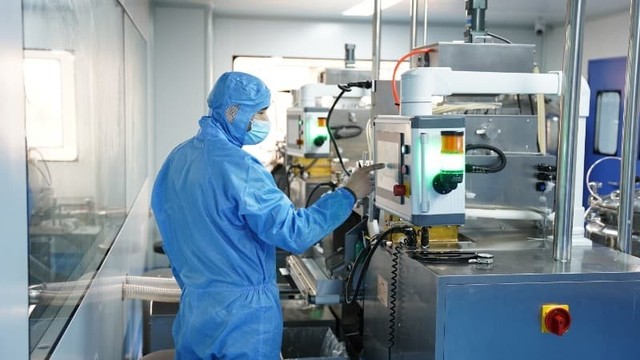
Fabricación y control de calidad
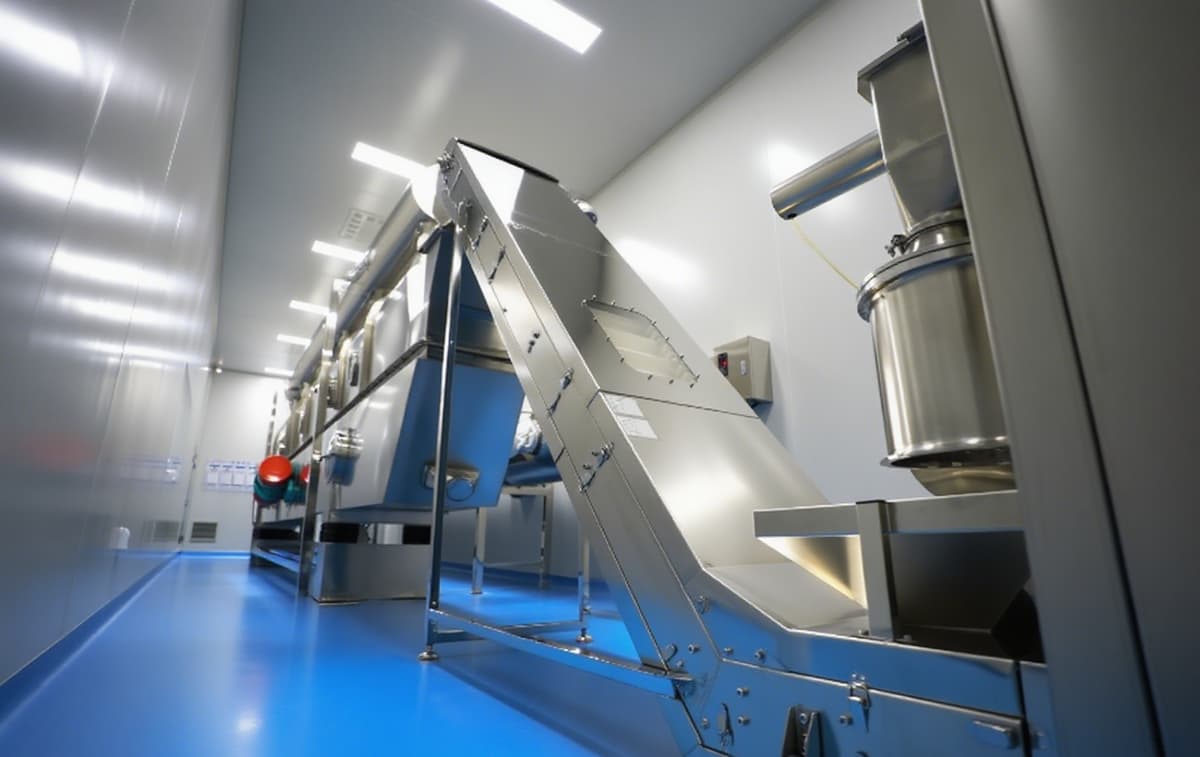
Cada lote comercial de sal disódica de PQQ se produce bajo sistemas de gestión de calidad certificados ISO 9001 y FSSC22000 en instalaciones que cumplen las cGMP y operan con controles HACCP. Los análisis del producto terminado incluyen valoración por HPLC (mínimo 98.0%), pérdida por secado, metales pesados dentro de los límites de la USP (plomo por debajo de 0.5 ppm, arsénico por debajo de 3 ppm, cadmio por debajo de 1 ppm y mercurio por debajo de 0.1 ppm), disolventes residuales según métodos USP y un panel microbiológico completo. Cada envío se libera con un certificado de análisis (CoA) que documenta cada parámetro medido para la revisión de garantía de calidad del comprador, y se conservan muestras de reserva de cada lote durante dos años para respaldar cualquier investigación posterior.
La documentación que acompaña a cada pedido incluye la ficha de datos de seguridad (FDS), la declaración de alérgenos, la verificación de ausencia de OMG y la certificación libre de EEB/EET, y las certificaciones Kosher y Halal respaldan la distribución en segmentos del mercado religioso. La sal disódica de PQQ ha sido objeto de una notificación de GRAS (generalmente reconocido como seguro) presentada a la Administración de Alimentos y Medicamentos de los EE. UU. (FDA) en el marco de su programa de notificación GRAS, y el material de referencia de apoyo se comparte de forma confidencial con los equipos de asuntos regulatorios de los clientes. La trazabilidad de extremo a extremo del lote, los resúmenes de validación de métodos y los datos de estabilidad a la luz se suministran previa solicitud para agilizar el registro del producto terminado ante las autoridades nacionales.
PQQ (pirroloquinolina quinona) para la fabricación B2B de complementos alimenticios
Purecium ofrece a distribuidores de complementos alimenticios, fabricantes por contrato (OEM/ODM) y propietarios de marcas finales sal disódica de PQQ a granel con un MOQ estándar de 25 kg, con lotes piloto de menor tamaño disponibles para evaluación de I+D y desarrollo de productos. El material se envasa en bidones de grado alimentario con doble bolsa interior de polietileno, y las opciones logísticas incluyen transporte aéreo, cargas en contenedor marítimo (FCL/LCL) y envío urgente por mensajería, con soporte de almacenamiento en Estados Unidos para la reposición rápida de las líneas de producción de Norteamérica.
Los socios comerciales reciben precios escalonados por volumen, muestras a escala piloto, orientación en formulación para el manejo de dosis bajas e inteligencia de mercado proactiva sobre las tendencias de las materias primas. Purecium cuenta con más de 15 años de experiencia en exportación de productos nutracéuticos y un equipo dedicado de gestión de cuentas B2B que coordina la documentación de CoA, los trámites aduaneros y los dosieres regulatorios para mantener los plazos de lanzamiento según lo previsto. Revisado por el jefe de Garantía de Calidad / Especialista en Asuntos Regulatorios de Purecium para garantizar la precisión técnica y la alineación regulatoria.
Compra de PQQ sal disódica para España y América Latina
Purecium suministra PQQ sal disódica a granel para fabricantes por contrato (CDMO), distribuidores de ingredientes y marcas propias en España, México, Argentina, Chile, Perú, Colombia y Uruguay. MOQ estándar de 25 kg, muestras gratuitas con COA, plazo de 7 a 15 días para calidades en stock y atención comercial en español con respuesta en 12 horas hábiles; las condiciones de pago (50 % de anticipo y 50 % contra documentos de embarque) y los Incoterms (FOB Hong Kong, CIF o DDP) son negociables según volumen e historial.
Para el trámite de registro sanitario entregamos el paquete documental (COA por lote, ficha técnica/TDS, FDS y certificados GMP, ISO 9001, FSSC 22000, Kosher y Halal): control de calidad y documentación · fabricación por contrato (OEM/ODM) · solicitar cotización.
Revisado por el jefe de Garantía de Calidad / especialista en Asuntos Regulatorios.
Logística y registro sanitario de PQQ (pirroloquinolina quinona sal disódica) para América Latina
Purecium exporta PQQ (pirroloquinolina quinona sal disódica) a granel a México, Colombia, Perú, Chile, Argentina y otros mercados latinoamericanos. Los pedidos se despachan desde Hong Kong por vía aérea o marítima (contenedor completo o consolidado), según el Incoterm acordado (FOB Hong Kong, CIF o DDP); el tránsito hasta el puerto de destino, los requisitos de importación y los aranceles se confirman en cada cotización.
Para el registro sanitario local, los fabricantes y distribuidores presentan la documentación técnica ante la autoridad de su país: COFEPRIS en México, INVIMA en Colombia, ANMAT en Argentina, ISP en Chile y DIGEMID en Perú. Con cada lote entregamos COA, ficha técnica (TDS), FDS y certificados GMP, ISO 9001, FSSC 22000, Kosher y Halal; la atención comercial es en español, con respuesta en 12 horas hábiles.
Ficha técnica de aprovisionamiento y garantía de calidad
Purecium cumple estrictamente las normas internacionales de seguridad farmacéutica y de grado alimentario. Nuestro PQQ se obtiene mediante fermentación microbiana avanzada a partir de maíz no modificado genéticamente (Non-GMO).
- Situación reglamentaria: Totalmente de grado alimentario y con reconocimiento oficial de la FDA GRAS (GRN590).
- Certificaciones: Fabricado conforme a las normas ISO9001, Kosher, Halal y FSSC22000.
- Disolventes y metales pesados (conformes a EU/USP): Procesado exclusivamente con etanol anhidro de grado alimentario (< 5,000 ppm de residuo). Plomo < 0.5 ppm; mercurio < 0.1 ppm; arsénico < 3 ppm; cadmio < 1 ppm.
- Cantidad mínima de pedido (MOQ): Muy flexible MOQ de 1 kg para I+D; el embalaje industrial estándar es un bidón de 25 kg.
Característica
PQQ puro (ácido libre)
Sal disódica de PQQ
Solubilidad en agua
Muy insoluble en agua.
Excelente solubilidad en agua, lo que garantiza una dispersión uniforme en las formulaciones.
Biodisponibilidad
Baja tasa de absorción en el tracto digestivo humano.
Alta tasa de absorción, maximizando los beneficios fisiológicos.
Aplicación B2B
Rara vez utilizado en complementos alimenticios comerciales.
El estándar de la industria para cápsulas duras, liposomas y bebidas funcionales.