

BHB (Beta-hidroxibutirato)
La L-carnitina de segunda generación
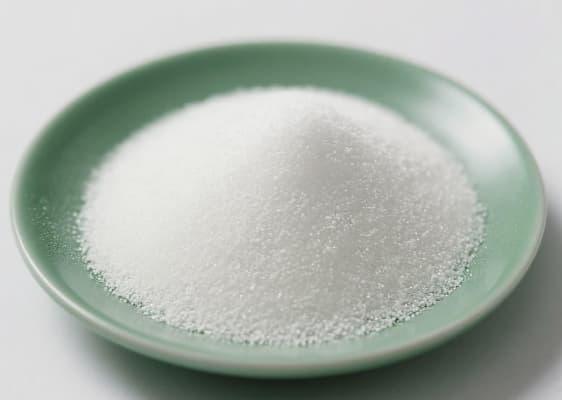
Suministro global B2B de materias primas de beta-hidroxibutirato (BHB)
Purecium es un proveedor global B2B de primera línea de Beta-hidroxibutirato (BHB) de alta pureza, el principal cuerpo cetónico exógeno utilizado para inducir y mantener la cetosis. Suministramos tanto DL-BHB estándar como D-BHB bioidéntico de alta biodisponibilidad en varias formas de sales minerales estables (calcio, magnesio, sodio, potasio) y en formas líquidas. Fabricados bajo las normas ISO9001 y FSSC22000, nuestros ingredientes de BHB cumplen estrictamente los límites de metales pesados de la USP y la UE. Diseñados para complementos alimenticios de nutrición deportiva, control de peso y apoyo cognitivo, Purecium ofrece un MOQ estándar de 20/25 kg con envío rápido en 2 días desde nuestros almacenes de Norteamérica.
Resumen para compradores: MOQ 25 kg; muestras gratis con COA; plazo de 7 a 15 días para calidades en stock; FOB Hong Kong / CIF / DDP; stock en Estados Unidos; recogida en 2 días para Norteamérica; COA / TDS / SDS por lote; respuesta en 12 horas hábiles. Cotización a solicitud y muestras enviadas a todo el mundo.
Nombre del producto: BHB (beta-hidroxibutirato)
Fórmula molecular: C4H8O3
Material de partida: acetoacetato de etilo
Grado: grado alimentario
Metales pesados: USP/EP
Residuos de plaguicidas: USP/EP
Tamaño de envase: 20/25 kg/bidón
Producto disponible:
- Calcio BHB (beta-hidroxibutirato) (DL)
- Magnesio BHB (beta-hidroxibutirato) (DL)
- Sodio BHB (beta-hidroxibutirato) (DL)
- Potasio BHB (beta-hidroxibutirato) (DL)
- Calcio BHB (beta-hidroxibutirato) (D)
- Magnesio BHB (beta-hidroxibutirato) (D)
- Sodio BHB (beta-hidroxibutirato) (D)
- Potasio BHB (beta-hidroxibutirato) (D)
CAS#: 625-72-9
Peso molecular: 104.105 g/mol
Origen: Sintético
Especificación: 98% HPLC
País de origen: China
Disolvente residual: USP/EP
Libre de alérgenos/Libre de gluten/No OMG/Vegano/No irradiado

Descripción general del BHB (beta-hidroxibutirato)
El beta-hidroxibutirato (BHB, ácido 3-hidroxibutírico, CAS 625-72-9, fórmula molecular C4H8O3, peso molecular 104.10 g/mol) es el principal cuerpo cetónico producido por el hígado durante el ayuno y los estados metabólicos bajos en carbohidratos y cetogénicos, y es el sustrato energético en el que se basan los complementos de cetonas exógenas. En los marcos institucionales de la ciencia de la nutrición, los cuerpos cetónicos están documentados como una vía energética alternativa que aumenta cuando disminuye la disponibilidad de carbohidratos; los mecanismos subyacentes han sido revisados por los National Institutes of Health (NIH) y la European Food Safety Authority (EFSA) en sus evaluaciones de los sustratos del metabolismo energético para alimentos y complementos alimenticios. La fisiología de los cuerpos cetónicos y el papel del beta-hidroxibutirato como transportador energético circulante son contenido habitual en los marcos de referencia bioquímicos utilizados por las autoridades de nutrición al evaluar ingredientes de apoyo metabólico.
Purecium suministra materias primas a granel de beta-hidroxibutirato (BHB) de grado alimentario en las formas D-BHB (enantiómero fisiológico) y DL-BHB (racémico), junto con sales minerales de sodio, calcio y magnesio de BHB para una flexibilidad en la fórmula final. Dado que la forma D- es el enantiómero que el organismo produce de forma endógena, los formuladores eligen entre D-BHB, DL-BHB y las sales minerales en función de la estrategia de dosificación, el contenido mineral, el perfil de sabor y el posicionamiento del producto final en las categorías de dieta cetogénica, nutrición deportiva y bienestar metabólico. Los programas de dieta cetogénica, nutrición deportiva y bienestar metabólico imponen exigencias diferentes en cuanto a la elección del enantiómero, el perfil mineral y la solubilidad, razón por la cual la cartera completa de BHB está cualificada bajo un único programa de proveedor con documentación completa de especificaciones y estabilidad para cada variante.
Fuente e identidad del ingrediente
Las materias primas de BHB del mercado de complementos alimenticios se clasifican por quiralidad y por forma de sal. El material D-BHB es el enantiómero del ácido R-3-hidroxibutírico, la forma fisiológicamente activa generada en la cetogénesis hepática; el DL-BHB es la mezcla racémica de ambos enantiómeros; y las sales de BHB de sodio, calcio y magnesio se producen mediante la neutralización controlada del ácido con fuentes minerales de grado alimentario. Los compradores seleccionan entre estas variantes según la etiqueta objetivo del producto terminado, el aporte de minerales elementales y el perfil organoléptico, y Purecium mantiene el D-BHB, el DL-BHB y las formas de sal mineral bajo un único programa de proveedores cualificados. La forma racémica DL-BHB se suele seleccionar para programas de volumen rentables, mientras que el D-BHB se prefiere cuando se requiere un posicionamiento de investigación específico del enantiómero.
La identidad de cada material de BHB se basa en los datos de registro del ácido libre (CAS 625-72-9, fórmula molecular C4H8O3, peso molecular 104,10 g/mol) catalogados en PubChem, con una hoja de especificaciones distinta para cada enantiómero y forma de sal. La producción sigue los estándares de polvo cristalino de grado alimentario, y los métodos de identidad, valoración e impurezas se ajustan a los marcos analíticos descritos por la USP-NF y la Farmacopea Europea para materias primas de complementos alimenticios, lo que proporciona a los equipos de asuntos regulatorios un expediente de identidad citable para el registro del producto terminado en mercados regulados por la FDA y en otros mercados.
Características clave del BHB (beta-hidroxibutirato)
Las materias primas de BHB son polvos cristalinos de grado alimentario con objetivos definidos de tamaño de partícula y humedad. La pureza mínima es del 98.0% por HPLC para la forma declarada, los metales pesados están controlados dentro de los límites de la USP (plomo por debajo de 0.5 ppm, arsénico por debajo de 3 ppm, cadmio por debajo de 1 ppm, mercurio por debajo de 0.1 ppm) y los disolventes residuales cumplen las directrices de la USP. Los polvos se procesan con tamaños de malla que permiten la compresión directa para comprimidos, el llenado de cápsulas y una disolución rápida en sticks y premezclas para bebidas, y los datos de distribución de tamaño de partícula y densidad aparente se indican por lote. Los perfiles típicos de solubilidad en agua y pH de cada forma de sal se resumen en la ficha técnica del producto.
Las formas de sal mineral ofrecen un aporte elemental medible junto con la fracción de BHB, que los equipos de formulación tienen en cuenta en los cálculos de ingesta diaria de minerales; las formas también difieren en higroscopicidad y sabor, lo que orienta la elección del formato entre cápsulas, comprimidos, polvos y bebidas listas para mezclar. Dado que las sales de BHB son higroscópicas, los controles de fabricación y envasado mantienen baja la absorción de humedad. Los resultados de identidad y pureza se generan con métodos conformes con la USP-NF, la Farmacopea Europea y procedimientos referenciados por la AOAC, de modo que los datos son reproducibles entre lotes y laboratorios, y los perfiles de higroscopicidad acompañan a cada expediente técnico.
Fabricación de BHB (beta-hidroxibutirato)
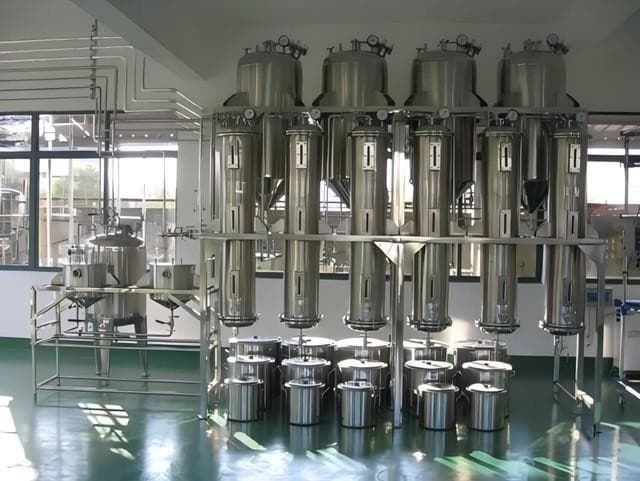
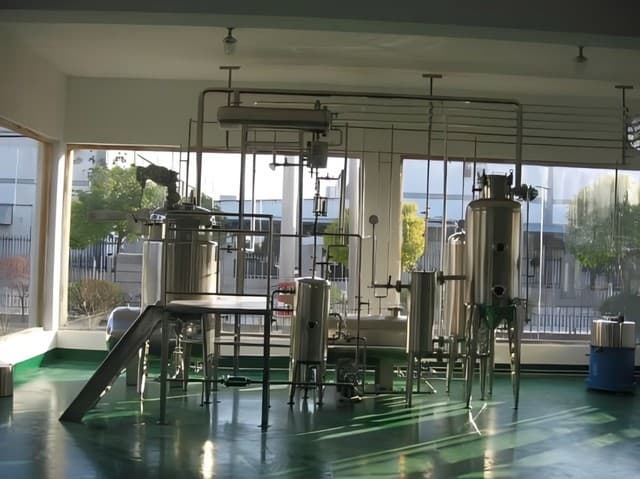
Purecium fabrica materiales de BHB mediante una ruta controlada que comienza con el ácido libre purificado, el cual se neutraliza con fuentes de sodio, calcio o magnesio de grado alimentario cuando se requieren formas de sal. El proceso continúa con concentración, cristalización y secado en condiciones de baja humedad para obtener polvos cristalinos con humedad controlada, bajo contenido de disolventes residuales y un perfil de impurezas constante; los controles en proceso supervisan la conversión, la estequiometría mineral y los puntos finales de secado, de modo que cada forma de sal coincida con su riqueza declarada y su contenido elemental.
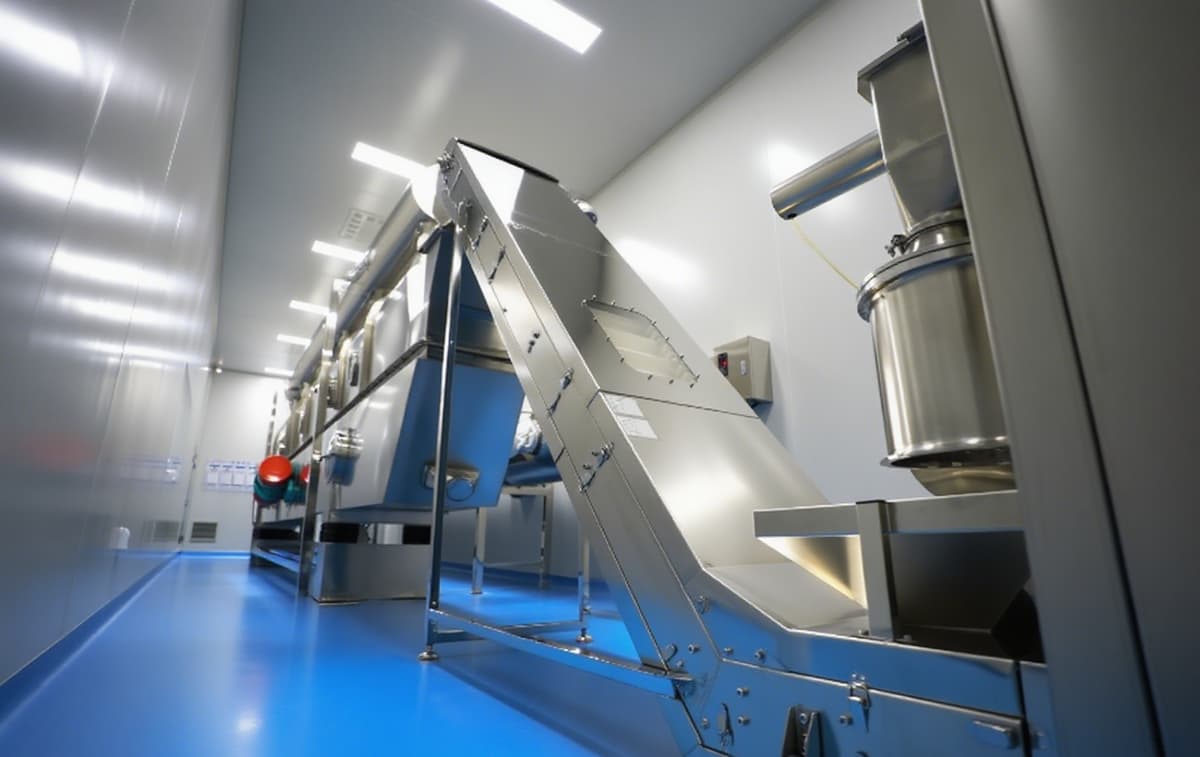
Tras la cristalización, el material se muele hasta el tamaño de partícula declarado, se mezcla para lograr la homogeneidad del lote y se envasa en contenedores de grado alimentario con revestimientos de barrera contra la humedad. Los programas de estabilidad cubren una vida útil estándar de 24 meses, con datos de estabilidad acelerada y en tiempo real disponibles para respaldar los dosieres de registro de los clientes en mercados regulados; los parámetros de liberación, los tiempos de mezcla y los registros de inspección de bidones están documentados para cada lote. Los lotes terminados se mantienen en cuarentena hasta que se confirma el panel de liberación completo, y la documentación del proceso respalda la trazabilidad de extremo a extremo desde el ácido de partida, pasando por la formación de la sal, hasta el envasado final.
Aplicaciones del BHB (beta-hidroxibutirato)
Los materiales de BHB se utilizan en cuatro grupos principales de aplicaciones. En primer lugar, productos de apoyo con cetonas exógenas y para la dieta cetogénica, donde el BHB es el sustrato energético que aumenta en la cetosis y la ingesta exógena se estudia para elevar los niveles de cetonas circulantes en contextos de investigación. En segundo lugar, productos de nutrición deportiva y resistencia, donde el BHB actúa como sustrato energético alternativo durante contextos de ejercicio con bajo glucógeno descritos en la literatura de medicina deportiva. En tercer lugar, fórmulas cognitivas y de concentración, donde los cuerpos cetónicos se examinan como combustible cerebral en investigación indexada en NIH sobre estados metabólicos cetogénicos. En cuarto lugar, programas de control de peso, donde el BHB se combina habitualmente con MCT, electrolitos y cafeína en combinaciones cetogénicas, y cada formulación está sujeta a la revisión normativa propia de la marca.
Las dosis finales típicas en productos comerciales cetogénicos y deportivos oscilan entre aproximadamente 1.5 g y 12 g de materiales de BHB al día según el formato; los sticks, los polvos listos para mezclar, las cápsulas y los comprimidos son los sistemas de administración habituales; los niveles finales los determinan la revisión normativa y el cumplimiento del etiquetado de cada marca, no las declaraciones del proveedor del ingrediente. El soporte del proveedor incluye orientación para la selección de variantes, datos de solubilidad y sabor de cada forma de sal y pruebas de aplicación en formatos en polvo, bebida, cápsula y comprimido para que los equipos de desarrollo puedan ajustar el material de BHB al producto final.
Fabricación y control de calidad
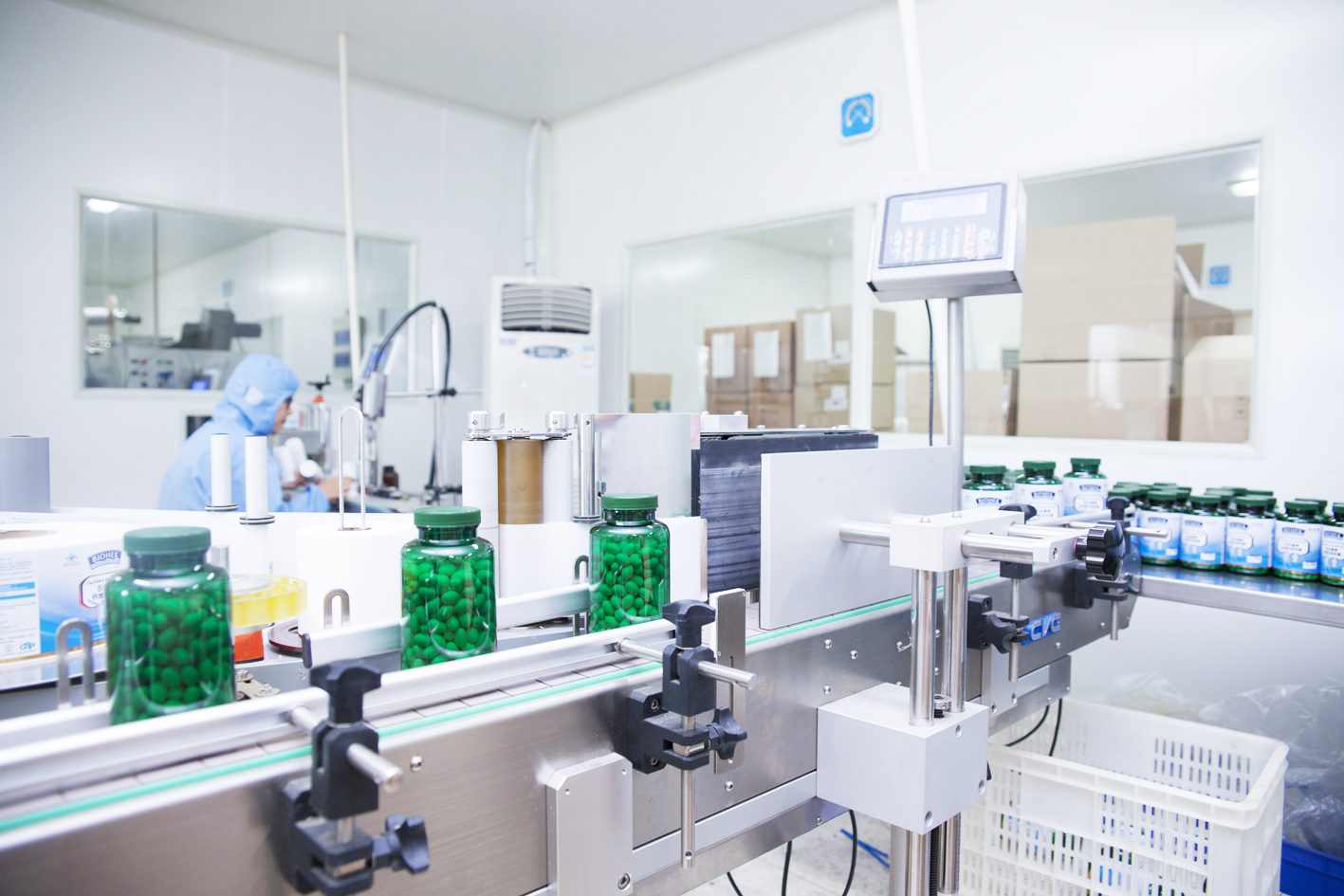
Cada lote comercial de BHB se produce bajo sistemas de gestión de calidad certificados conforme a ISO 9001 y FSSC22000 en instalaciones que cumplen las cGMP y cuentan con controles HACCP. Los ensayos de liberación incluyen valoración por HPLC (mínimo 98.0%), pureza enantiomérica cuando procede, pérdida por desecación, metales pesados dentro de los límites de la USP (plomo por debajo de 0.5 ppm, arsénico por debajo de 3 ppm, cadmio por debajo de 1 ppm, mercurio por debajo de 0.1 ppm), disolventes residuales según la USP y un panel microbiológico completo. Cada envío se libera con un certificado de análisis (CoA) que documenta todos los parámetros medidos, y los métodos analíticos siguen los marcos de la USP-NF y de la Farmacopea Europea, con procedimientos referenciados por la AOAC para los análisis complementarios.
La documentación que acompaña a cada pedido incluye la ficha de datos de seguridad (FDS), la declaración de alérgenos, la verificación de ausencia de OMG y la certificación libre de EEB/EET. La trazabilidad integral del lote permite a los clientes auditar el abastecimiento de materias primas, los parámetros de síntesis, las etapas de formación de sales y el envasado final. Las certificaciones Kosher y Halal respaldan la distribución en segmentos de mercado religioso, mientras que la documentación de estabilidad de 24 meses, los resúmenes de validación de métodos y los marcos de calidad alineados con las directrices de referencia de la Organización Mundial de la Salud (OMS) respaldan el registro del producto terminado ante las autoridades nacionales, y se conservan muestras de retención de cada lote para que las consultas de los clientes puedan investigarse con respecto al lote físico.
BHB (Beta-hidroxibutirato) para la fabricación B2B de complementos alimenticios
Purecium suministra a distribuidores de complementos alimenticios, fabricantes por contrato (OEM/ODM) y propietarios de marcas finales D-BHB, DL-BHB y sales de BHB de sodio, calcio y magnesio a granel, con un MOQ estándar de 25 kg. Los materiales se envasan en bidones de grado alimentario con revestimientos de barrera contra la humedad y el plazo de entrega es de aproximadamente 7 a 15 días después de la confirmación del pedido para las especificaciones en stock. Las opciones logísticas incluyen flete aéreo, cargas en contenedores marítimos y envío urgente, con almacenamiento en EE. UU. para un reaprovisionamiento rápido de las líneas de producción de Norteamérica y exportación directa para clientes de la UE, el Reino Unido y el resto del mundo. Se encuentran disponibles almacenamiento con temperatura controlada y procedimientos de manipulación documentados para las formas de sales higroscópicas durante el tránsito.
Los socios comerciales reciben precios escalonados por volumen, muestras a escala piloto para evaluación de I+D, orientación para la selección de variantes entre D-BHB, DL-BHB y formas de sales minerales, e inteligencia de mercado proactiva sobre las tendencias en ingredientes cetónicos. Purecium cuenta con más de 15 años de experiencia en exportación de productos nutracéuticos y un equipo dedicado de gestión de cuentas B2B coordina la documentación COA, los trámites aduaneros y los dosieres regulatorios para mantener los plazos de lanzamiento según lo previsto. Revisado por el especialista jefe de Garantía de Calidad / Asuntos Regulatorios de Purecium para garantizar la precisión técnica y la alineación regulatoria.
Compra de BHB D-BHB y DL-BHB para España y América Latina
Purecium suministra BHB D-BHB y DL-BHB a granel para fabricantes por contrato (CDMO), distribuidores de ingredientes y marcas propias en España, México, Argentina, Chile, Perú, Colombia y Uruguay. MOQ estándar de 25 kg, muestras gratuitas con COA, plazo de 7 a 15 días para calidades en stock y atención comercial en español con respuesta en 12 horas hábiles; las condiciones de pago (50 % de anticipo y 50 % contra documentos de embarque) y los Incoterms (FOB Hong Kong, CIF o DDP) son negociables según volumen e historial.
Para el trámite de registro sanitario entregamos el paquete documental (COA por lote, ficha técnica/TDS, FDS y certificados GMP, ISO 9001, FSSC 22000, Kosher y Halal): control de calidad y documentación · fabricación por contrato (OEM/ODM) · solicitar cotización.
Revisado por el jefe de Garantía de Calidad / especialista en Asuntos Regulatorios.
Logística y registro sanitario de BHB (beta-hidroxibutirato) para América Latina
Purecium exporta BHB (beta-hidroxibutirato) a granel a México, Colombia, Perú, Chile, Argentina y otros mercados latinoamericanos. Los pedidos se despachan desde Hong Kong por vía aérea o marítima (contenedor completo o consolidado), según el Incoterm acordado (FOB Hong Kong, CIF o DDP); el tránsito hasta el puerto de destino, los requisitos de importación y los aranceles se confirman en cada cotización.
Para el registro sanitario local, los fabricantes y distribuidores presentan la documentación técnica ante la autoridad de su país: COFEPRIS en México, INVIMA en Colombia, ANMAT en Argentina, ISP en Chile y DIGEMID en Perú. Con cada lote entregamos COA, ficha técnica (TDS), FDS y certificados GMP, ISO 9001, FSSC 22000, Kosher y Halal; la atención comercial es en español, con respuesta en 12 horas hábiles.
Configuración / Forma
Rotación óptica
Características y aplicaciones
D-BHB (100% dextrógiro)
-14 a -19
El único isómero presente de forma natural en el cuerpo humano. Proporciona una biodisponibilidad máxima y una cetosis rápida. Ideal para complementos alimenticios de cetonas exógenas premium de alto valor.
DL-BHB (50/50 racémico)
~ 0
Una mezcla rentable de 50% de isómeros D y 50% de isómeros L. El estándar de la industria para el control de peso general y las fórmulas preentrenamiento.
Sales sólidas de BHB (Ca, Mg, Na, K)
~ 0
El BHB puro es líquido por naturaleza. Lo combinamos con minerales para crear un polvo estable de 80 mesh (el potasio es de 20 mesh) ideal para cápsulas duras y polvos.
BHB líquido (forma D)
-14 to -19
Forma líquida pura altamente soluble. Diseñada específicamente para bebidas cetogénicas listas para beber (RTD) y tinturas líquidas.
Ficha técnica de aprovisionamiento & control de calidad
- Cantidad mínima de pedido (MOQ): 20 kg o 25 kg por bidón.
- Envasado: Bidones de 20/25kg (Dimensiones: 40x40x50cm). Nota: El BHB sólido es altamente higroscópico. Utilizamos un envasado interior robusto con desecantes para bloquear completamente la humedad durante el transporte internacional.
- Residuos de disolventes: Utiliza etanol anhidro e isopropanol de grado alimentario. Los residuos se controlan estrictamente a < 5,000 ppm (conforme a la USP).
- Límites de metales pesados (conforme a la UE/USP): Plomo < 0.5 ppm; Mercurio < 0.1 ppm; Arsénico < 3 ppm; Cadmio < 1 ppm.
- Vida útil: 24 meses (informes de estabilidad acelerada y a largo plazo disponibles).