

MONOHIDRATO DE CREATINA
Potencie la fuerza e impulse el crecimiento muscular
Suministro global B2B de creatina monohidrato premium
Purecium es un proveedor B2B global de primer nivel de monohidrato de creatina de alta pureza, la ayuda ergogénica más investigada y de confianza de la industria de la nutrición deportiva. Sintetizada de forma endógena y fundamental para la regeneración rápida del trifosfato de adenosina (ATP), la creatina es el ingrediente base de fórmulas destinadas a la hipertrofia muscular, la resistencia anaeróbica y la recuperación acelerada. Suministramos materias primas de creatina estrictamente controladas, sintéticas y 100% aptas para veganos, adaptadas a distribuidores, fabricantes por contrato (OEM/ODM) y marcas premium de bienestar deportivo.
Resumen para compradores: MOQ 25 kg; muestras gratis con COA; plazo de 7 a 15 días para calidades en stock; FOB Hong Kong / CIF / DDP; stock en Estados Unidos; stock en los Países Bajos (UE); recogida en 2 días para Norteamérica; COA / TDS / SDS por lote; respuesta en 12 horas hábiles. Cotización a solicitud y muestras enviadas a todo el mundo.
Nombre del producto: Creatina monohidrato
Fórmula molecular: C₄H₉N₃O₂・H₂O
Material de partida: Ácido cloroacético o hidroxiacetonitrilo
Grado: Grado alimentario
Metales pesados: USP/EP
Residuos de plaguicidas: USP/EP
Tamaño de envase: 25 kg/bidón
Producto disponible:
- Creatina monohidrato
- Creatina anhidra
- Creatina Hcl
- Nitrato de creatina
- Piruvato de creatina
CAS#: 6020-87-7
Peso molecular: 149.15 g/mol
Origen: sintético
Especificación: 98% HPLC
País de origen: China
Disolvente residual: USP/EP
Libre de alérgenos/Sin gluten/No GMO/Vegano/Sin irradiación

Descripción general del monohidrato de creatina
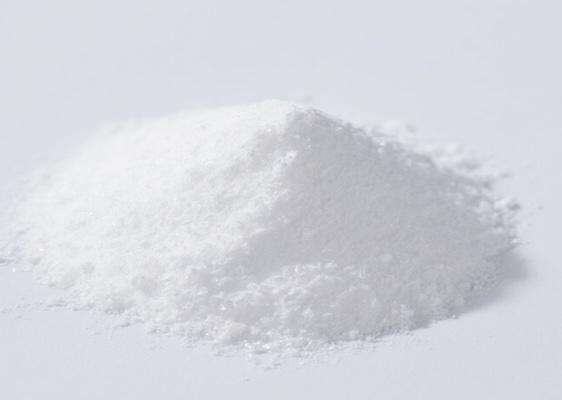
El monohidrato de creatina es un compuesto de ácido orgánico nitrogenado, químicamente N-(aminoiminometil)-N-metilglicina monohidrato, con la fórmula molecular C4H9N3O2, un peso molecular de 149.15 g/mol y número de registro CAS 6020-87-7. Se suministra en forma de polvo cristalino blanco ultrafino con sabor neutro para la fabricación de complementos alimenticios de nutrición deportiva y bienestar general.
La creatina se almacena en el músculo esquelético como fosfocreatina, donde regenera rápidamente ATP durante el ejercicio de alta intensidad y corta duración. Es uno de los ingredientes de nutrición deportiva más estudiados, con un amplio conjunto de investigaciones revisadas por pares que respaldan su uso en fórmulas orientadas a la fuerza, la potencia, la masa magra y la recuperación.
La forma monohidrato se compone de aproximadamente un 88% de creatina y un 12% de agua de cristalización, y sigue siendo el estándar de la industria para la fabricación por contrato y de marca blanca debido a su respaldo clínico, rentabilidad y estabilidad química en comparación con las sales de creatina alternativas.
Desde el punto de vista de las compras, el monohidrato de creatina ofrece una relación costo-rendimiento favorable: se fabrica a gran escala, es estable en almacenamiento y no requiere manipulación especial ni logística de cadena de frío. Los compradores pueden validar una única especificación documentada que admita tanto líneas de producto en polvo como en cápsulas.
Origen & Identidad del ingrediente
La creatina monohidrato de Purecium es 100% sintética, sin ningún componente de origen animal, lo que la hace directamente adecuada para líneas de nutrición deportiva vegetariana y vegana. Existen dos rutas de proceso sintético distintas: la ruta del ácido cloroacético, que ofrece un perfil de pureza superior a un precio premium, y la ruta del hidroxiacetonitrilo, una opción muy rentable para uso comercial estándar.
El ingrediente se identifica como un polvo cristalino blanco, de grado alimentario, con una especificación de riqueza de al menos el 98% por HPLC y un tamaño de partícula comercial estándar de malla 200 ultrafina. La identidad se confirma mediante estándares de referencia acordes con las especificaciones de compendio para creatina monohidrato.
Ambas rutas sintéticas suministran material que cumple la misma especificación de liberación de grado alimentario, por lo que los compradores pueden elegir la ruta que mejor se adapte a sus objetivos de calidad y presupuesto sin cambiar la formulación del producto final. La documentación de la ruta se proporciona con cada envío.
Características clave de la creatina monohidrato
Las características clave de la creatina monohidrato de Purecium incluyen su forma cristalina ultrafina de malla 200, que se mezcla de manera uniforme en matrices de polvo seco y llena cápsulas de forma constante, así como su perfil controlado de contenido, humedad y metales pesados. Los límites de liberación incluyen plomo por debajo de 0.5 ppm, mercurio por debajo de 0.1 ppm, arsénico por debajo de 3 ppm y cadmio por debajo de 1 ppm, cumpliendo las expectativas de la USP y de la UE.
El producto se procesa exclusivamente con etanol anhidro de grado alimentario, con niveles de disolventes residuales estrictamente controlados por debajo de 5,000 ppm conforme a las normas de la USP. No está modificado genéticamente, está libre de los principales alérgenos y es vegano de origen sintético; cada lote se envía con un certificado de análisis que cubre identidad, contenido, impurezas y pureza microbiológica.
Los datos físicos y químicos, incluidos la solubilidad, el pH, la densidad aparente y la distribución del tamaño de partícula, están documentados en la ficha de especificaciones del producto para los formuladores que realizan pruebas de mezclado, compresión y disolución. El polvo es estable en condiciones ambientales estándar de almacenamiento en un envasado hermético de grado alimentario.
Fabricación de creatina monohidrato
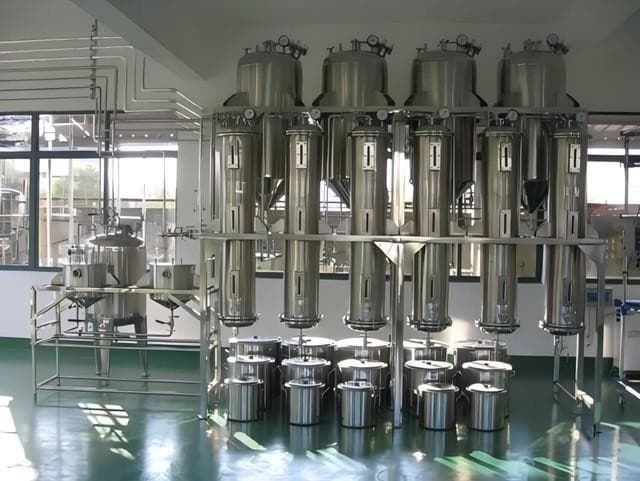
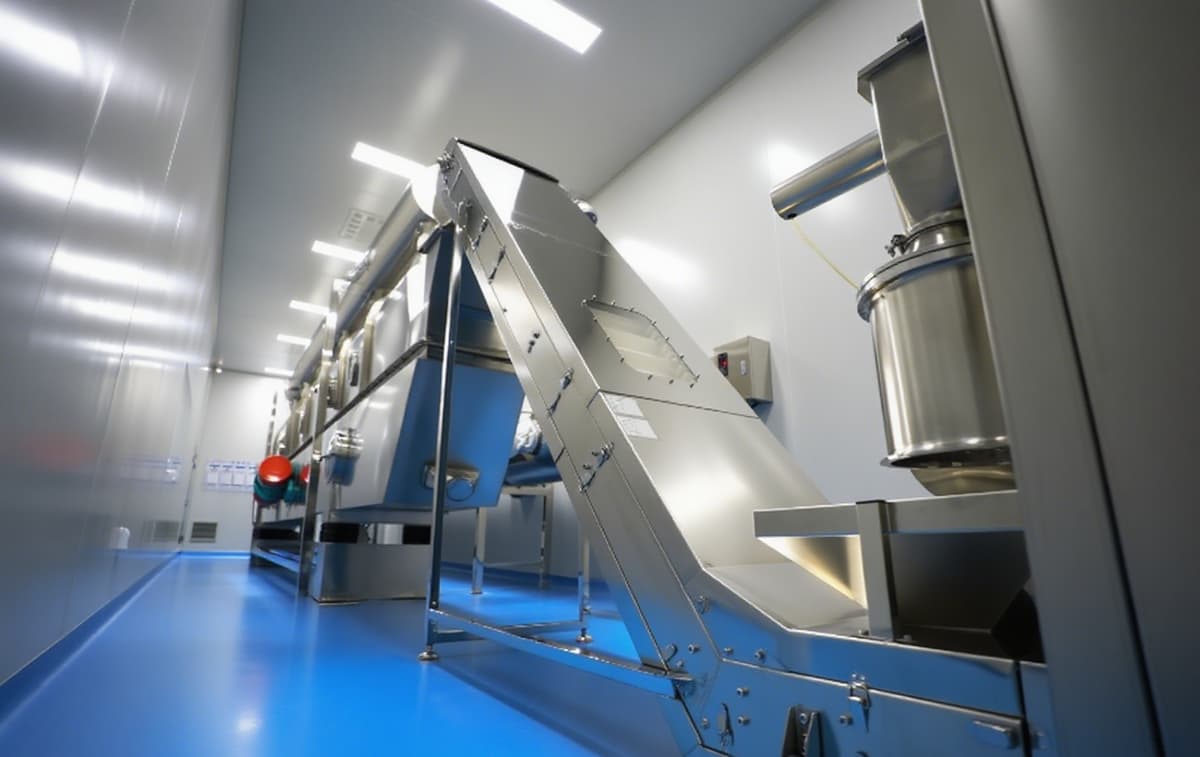
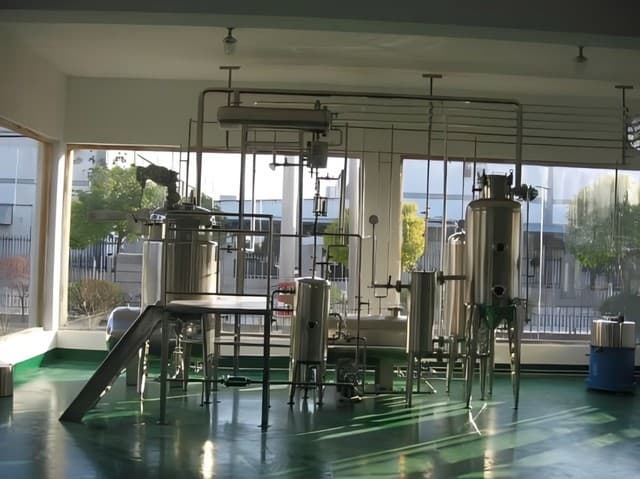
La creatina monohidrato de Purecium se fabrica mediante rutas sintéticas definidas en instalaciones con certificación FSSC22000 y GMP. La ruta del ácido cloroacético se selecciona cuando se requiere un perfil de pureza más elevado, mientras que la ruta del hidroxiacetonitrilo proporciona una producción rentable para las especificaciones comerciales estándar.
La producción abarca la reacción, la cristalización, el lavado, el secado y la molienda hasta el tamaño de partícula objetivo, utilizando etanol anhidro de grado alimentario durante todo el proceso como disolvente de procesamiento. Los controles en proceso, los procedimientos documentados de cambio de producto y la numeración de lotes proporcionan una trazabilidad completa desde las materias primas hasta los bidones terminados.
Aplicaciones de la creatina monohidratada
La creatina monohidratada se utiliza en todo el mercado de la nutrición deportiva en productos preentreno, postentreno, de recuperación y de bienestar diario. Gracias a su papel en el sistema energético de la fosfocreatina, se incluye en fórmulas para atletas de fuerza y potencia, para el apoyo a la resistencia y para consumidores con un estilo de vida activo.
Su versatilidad de formatos la convierte en un producto de aprovisionamiento estándar para fabricantes por contrato: la creatina monohidratada tiene un rendimiento fiable en cápsulas, comprimidos, polvos en sticks, comprimidos efervescentes y bebidas en polvo listas para mezclar, y se combina bien con aminoácidos, electrolitos y matrices de carbohidratos.
Más allá del rendimiento muscular, un creciente conjunto de investigaciones revisadas por pares estudia la creatina para la función cognitiva, la energética cerebral y el envejecimiento saludable, lo que amplía su uso a las líneas de productos nootrópicos y de envejecimiento activo junto con las aplicaciones deportivas tradicionales.
Para las marcas de producto terminado, el grado ultra fino de 200 mesh favorece una dispersión uniforme en las operaciones de mezclado y una uniformidad de dosis constante, mientras que la vía sintética vegana simplifica el etiquetado y el posicionamiento normativo en los mercados vegetarianos y veganos.
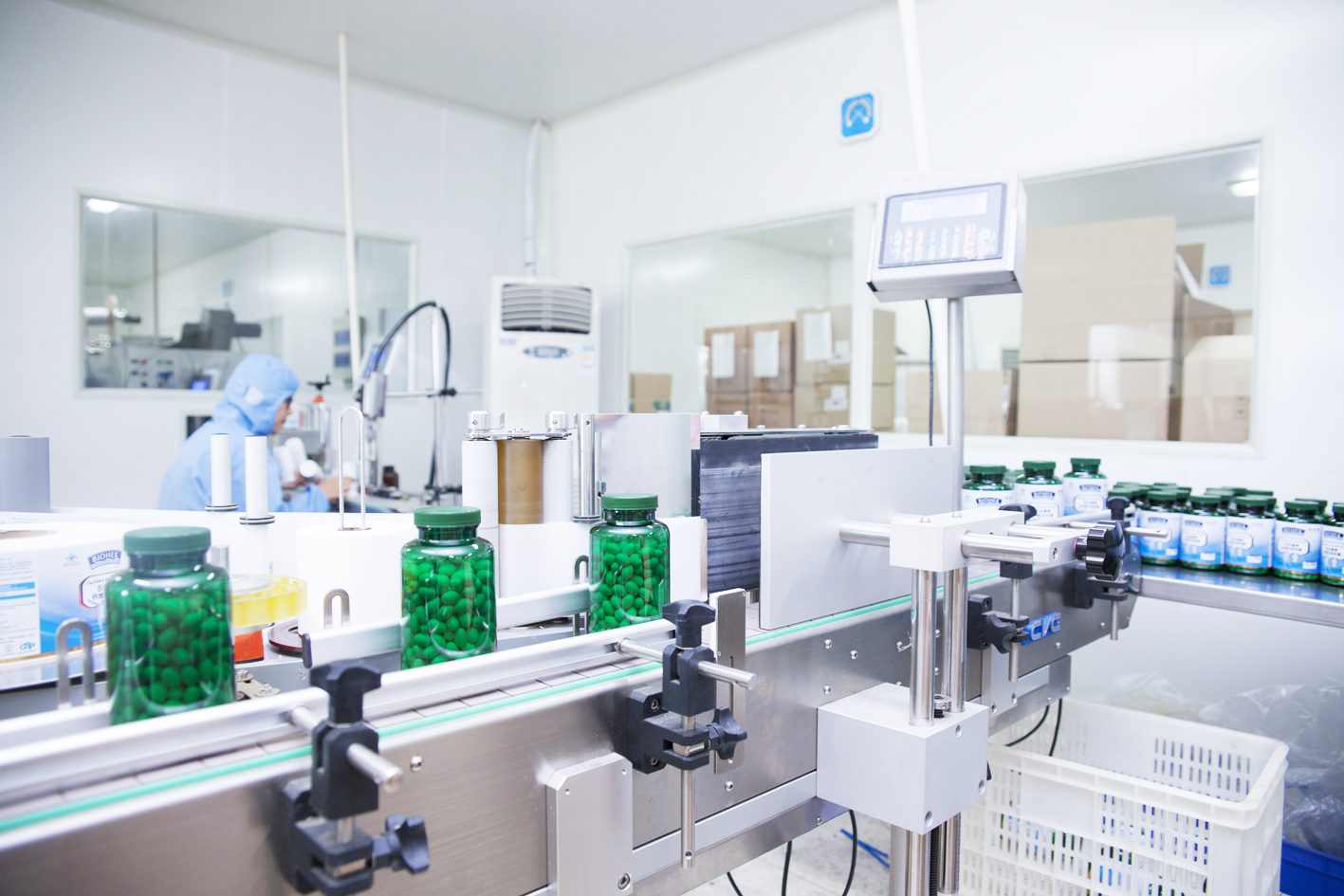
El ingrediente es compatible con los excipientes estándar y los equipos de fabricación utilizados en la compresión de comprimidos y el llenado de cápsulas, y su sabor neutro permite una inclusión directa en sistemas de polvos aromatizados sin problemas de enmascaramiento.
Fabricación y control de calidad
El control de calidad del monohidrato de creatina de Purecium opera conforme a los sistemas de seguridad alimentaria FSSC22000 y GMP. Cada lote de producción se libera únicamente después de la confirmación de identidad, el ensayo por HPLC, el análisis de metales pesados, el ensayo de disolventes residuales y el examen microbiológico, con métodos analíticos alineados con los métodos compendiales vigentes de USP-NF y de la Farmacopea Europea.
La calidad microbiológica se controla conforme a los criterios de aceptación de ingredientes nutricionales, abarcando el recuento total de microorganismos aerobios, levaduras y mohos, y patógenos especificados. La monitorización ambiental respalda unos ensayos de liberación fiables en todos los lotes, y los datos de estabilidad respaldan el almacenamiento estándar a temperatura ambiente en envases sellados de grado alimentario.
Los compradores reciben un certificado de análisis, SDS y documentación de especificaciones con cada envío; además, las auditorías de las instalaciones, los registros de lote y la documentación técnica adicional están disponibles durante la cualificación del proveedor.
Se conservan muestras de retención de cada lote de producción para respaldar los programas de auditoría de los clientes y las consultas regulatorias, y los registros de lote se mantienen de acuerdo con la práctica de documentación de la industria alimentaria.
Creatina monohidrato para la fabricación B2B de complementos alimenticios
Purecium suministra creatina monohidrato a granel a organizaciones de desarrollo y fabricación por contrato (CDMO), fabricantes de complementos alimenticios, distribuidores y marcas de producto acabado en todo el mundo. El envase estándar es de 25 kg en bidones industriales de alta protección (40 x 40 x 50 cm, peso bruto de 28 kg), con un MOQ mínimo flexible a partir de 25 kg para volúmenes piloto y de lanzamiento.
Las dos rutas de proceso sintético ofrecen flexibilidad de aprovisionamiento a los compradores: material de pureza superior para un posicionamiento de gama alta o grado estándar rentable para productos convencionales, ambos con una resiliencia documentada de la cadena de suministro y una calidad constante.
El soporte técnico incluye orientación sobre formulación para cápsulas, comprimidos y mezclas en polvo, ajuste de especificaciones y la documentación necesaria para la cualificación de proveedores en los mercados objetivo. Las muestras para evaluación de I+D están disponibles previa solicitud, y los pedidos a granel se envían por transporte aéreo o marítimo con documentación de exportación completa.
Revisado por el Jefe de Garantía de Calidad / Asuntos Regulatorios de Purecium por su precisión técnica y conformidad normativa.
Compra de monohidrato de creatina para España y América Latina
Purecium suministra monohidrato de creatina a granel para fabricantes por contrato (CDMO), distribuidores de ingredientes y marcas propias en España, México, Argentina, Chile, Perú, Colombia y Uruguay. MOQ estándar de 25 kg, muestras gratuitas con COA, plazo de 7 a 15 días para calidades en stock y atención comercial en español con respuesta en 12 horas hábiles; las condiciones de pago (50 % de anticipo y 50 % contra documentos de embarque) y los Incoterms (FOB Hong Kong, CIF o DDP) son negociables según volumen e historial.
Para el trámite de registro sanitario entregamos el paquete documental (COA por lote, ficha técnica/TDS, FDS y certificados GMP, ISO 9001, FSSC 22000, Kosher y Halal): control de calidad y documentación · fabricación por contrato (OEM/ODM) · solicitar cotización.
Revisado por el jefe de Garantía de Calidad / especialista en Asuntos Regulatorios.
Característica
Creatina monohidrato
Formas alternativas
(p. ej., HCl, anhidra)
Estabilidad
Muy estable en condiciones normales de procesamiento y almacenamiento.
La creatina anhidra se convierte en creatinina a altas temperaturas; el HCl es muy ácido, lo que puede provocar interacciones en la formulación.
Solubilidad y tamaño de malla
Purecium suministra un polvo ultrafino de 200 mesh que garantiza una dispersión rápida y sin grumos en soluciones acuosas (bebidas energéticas, preentrenos).
A menudo se comercializa por su mejor solubilidad, pero con un coste de materia prima significativamente mayor por dosis activa.
Rentabilidad
Máximo ROI para las marcas. Menor coste por gramo con resultados fisiológicos idénticos.
Precio premium con evidencia limitada revisada por pares que demuestra superioridad sobre el monohidrato.