

D-ribosa
Catalizador de ATP mitocondrial
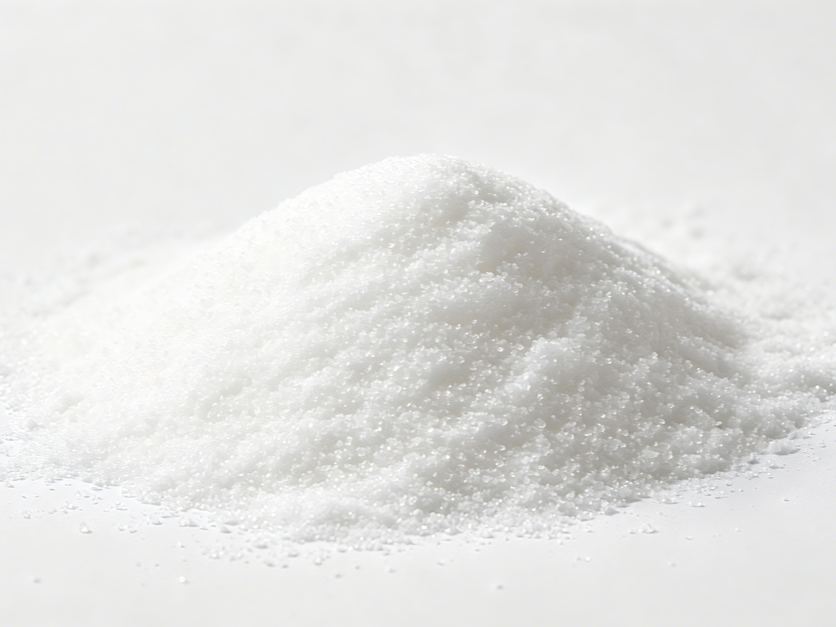
D-ribosa
El polvo de D-ribosa de Purecium está diseñado para superar los cuellos de botella metabólicos tradicionales en la producción de energía humana. Al evitar las vías enzimáticas limitantes habituales, acelera la resíntesis de las reservas de nucleótidos vitales en los tejidos musculares y cardíacos. Esto lo convierte en un activo funcional excepcional para formulaciones avanzadas destinadas a mitigar la fatiga inducida por el ejercicio, acortar los períodos de recuperación y favorecer una resistencia física sostenida. Los formuladores se benefician de un ingrediente altamente biodisponible que se integra sin problemas en polvos preentrenamiento, cápsulas y mezclas energéticas funcionales sin alterar los perfiles de sabor ni de estabilidad.
Resumen para compradores: MOQ 25 kg; muestras gratis con COA; plazo de 7 a 15 días para calidades en stock; FOB Hong Kong / CIF / DDP; stock en Estados Unidos; recogida en 2 días para Norteamérica; COA / TDS / SDS por lote; respuesta en 12 horas hábiles. Cotización a solicitud y muestras enviadas a todo el mundo.
Nombre del producto: D-ribosa
Fórmula molecular: C5H₁0O₅
Materia prima de partida: Maíz
Calidad: Grado alimentario/piensos
Metales pesados: USP/EP
Residuos de plaguicidas: USP/EP
Tamaño de envase: 25 kg/tambor
CAS#: 50-69-1
Peso molecular:150.13 g/mol
Origen: Fermentación
Especificación: 99% HPLC
País de origen: China
Disolvente residual: USP/EP
Libre de alérgenos/Sin gluten/No transgénico/Vegano/No irradiado

Descripción general de la D-ribosa
La D-ribosa (CAS 50-69-1, fórmula molecular C5H10O5, peso molecular 150.13 g/mol) es un azúcar de cinco carbonos presente de forma natural que constituye la columna vertebral estructural del ATP, el ARN, el NADH y la coenzima A en el metabolismo celular.
Purecium suministra D-ribosa en polvo a granel de grado alimentario producida por fermentación de glucosa en lugar de mediante síntesis química, y esta vía natural es importante para las marcas porque ofrece un azúcar biológicamente idéntico que respalda el posicionamiento de etiqueta limpia en las categorías de apoyo energético y nutrición deportiva. El ingrediente se ofrece como D-ribosa en polvo cristalino y como D-ribosa en polvo fino, ambas formas caracterizadas por un sabor limpio y dulce y una alta solubilidad en agua, lo que da a los equipos de formulación opciones flexibles para comprimidos, cápsulas, sobres, premezclas para bebidas y aplicaciones de alimentos funcionales en los mercados globales. El grado cristalino se adapta a los formatos de compresión y mezcla en seco, mientras que el grado fino se dispersa rápidamente en sistemas líquidos, de modo que los compradores pueden ajustar el comportamiento de las partículas a las necesidades de una línea de producción específica.
Fuente e identidad del ingrediente
La D-ribosa es una pentosa natural, es decir, un azúcar de cinco carbonos, y se encuentra entre los carbohidratos más fundamentales de la biología porque constituye la columna vertebral estructural del trifosfato de adenosina (ATP), del ácido ribonucleico (RNA), del dinucleótido de nicotinamida y adenina (NADH) y de la coenzima A. Toda célula viva sintetiza ribosa a partir de glucosa, y el papel de la ribosa en la síntesis de ATP y RNA es contenido habitual en los marcos de referencia bioquímicos reconocidos por la comunidad científica, por lo que la ribosa se estudia siempre que la resíntesis de energía celular sea un objetivo de formulación. La D-ribosa comercial de grado alimentario reproduce esa relación natural mediante fermentación microbiana controlada de glucosa en lugar de síntesis química, un enfoque que produce un azúcar bioidéntico con un perfil limpio de impurezas.
Los compradores que evalúan la D-ribosa deben tener en cuenta un dato de etiquetado fácil de pasar por alto: la ribosa es un azúcar auténtico con su propio dulzor y un valor calórico de aproximadamente cuatro kilocalorías por gramo, por lo que las declaraciones del producto terminado nunca deben presentarla como libre de azúcar ni como un edulcorante sin calorías, y debe declararse como azúcar en el etiquetado nutricional cuando corresponda. Las marcas que tengan previsto realizar declaraciones de bajo contenido en azúcar o de valor calórico reducido deben revisar la ribosa conforme a las normas de declaración específicas de cada mercado objetivo antes de finalizar las etiquetas. Purecium cualifica la D-ribosa frente a especificaciones declaradas que cubren la identidad mediante el número de registro CAS 50-69-1, la valoración por cromatografía líquida de alta resolución y el estado de grado alimentario conforme a los marcos de calidad descritos por la USP-NF y la Farmacopea Europea para ingredientes alimentarios y de complementos alimenticios.
Características clave de la D-ribosa
La D-ribosa se presenta como un polvo cristalino blanco con una alta solubilidad en agua y un dulzor suave y limpio que los formuladores suelen estimar en aproximadamente 0.7 veces el dulzor de la sacarosa; conviene considerar esa cifra como una propiedad sensorial aproximada, porque el dulzor percibido varía con la concentración, la temperatura y los demás ingredientes en una matriz final. El material se muele hasta un tamaño de partícula fino y de flujo libre que favorece una disolución rápida en sistemas de bebidas, una mezcla uniforme en preparados secos y pesos de llenado constantes en operaciones con cápsulas, sobres y stick packs, todo ello sin introducir interferencias de sabor.
Dado que la D-ribosa es un azúcar higroscópico, la sensibilidad a la humedad es la característica que más influye en la manipulación, el almacenamiento y la estabilidad del producto terminado. El polvo se seca hasta una especificación estricta de humedad, se envasa en condiciones de baja humedad y se almacena sellado por debajo de 25 grados Celsius para evitar la formación de grumos y preservar la fluidez del polvo; la especificación estándar mantiene una pureza mínima del 98.0 por ciento por HPLC, con metales pesados controlados dentro de los límites de USP. En conjunto, estas características hacen de la D-ribosa una base fiable para el posicionamiento de apoyo energético en bebidas funcionales, polvos de recuperación y formatos de nutrición deportiva; los bidones abiertos deben volver a analizarse en un plazo de seis meses.
Fabricación de D-ribosa
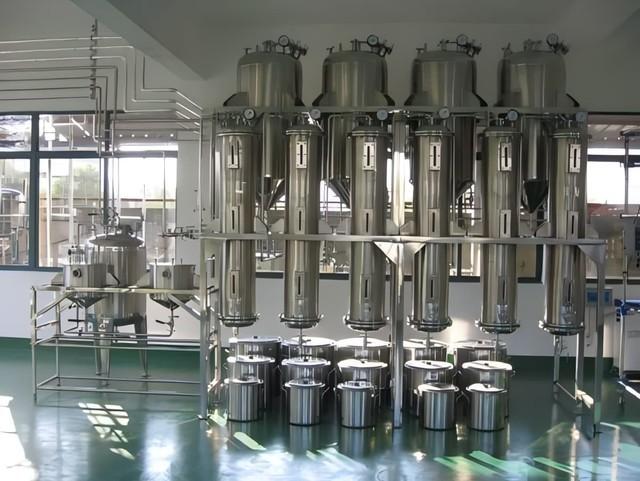
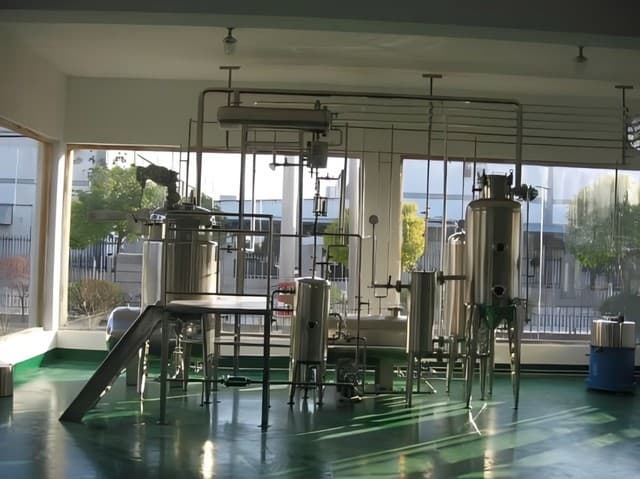
La D-ribosa se produce mediante una ruta de fermentación que parte de glucosa de grado alimentario en lugar de materias primas petroquímicas. En el proceso, una fermentación microbiana cuidadosamente controlada convierte la glucosa en ribosa mientras la temperatura, el pH y la alimentación de nutrientes se supervisan con respecto al registro maestro de lote; después, el caldo se clarifica y el azúcar se purifica mediante separación cromatográfica y cristalización en varias etapas, que eliminan las impurezas del proceso, las proteínas residuales y los ácidos orgánicos no deseados. A continuación, los cristales purificados se secan en condiciones controladas para alcanzar el estricto objetivo de humedad requerido para un azúcar higroscópico.
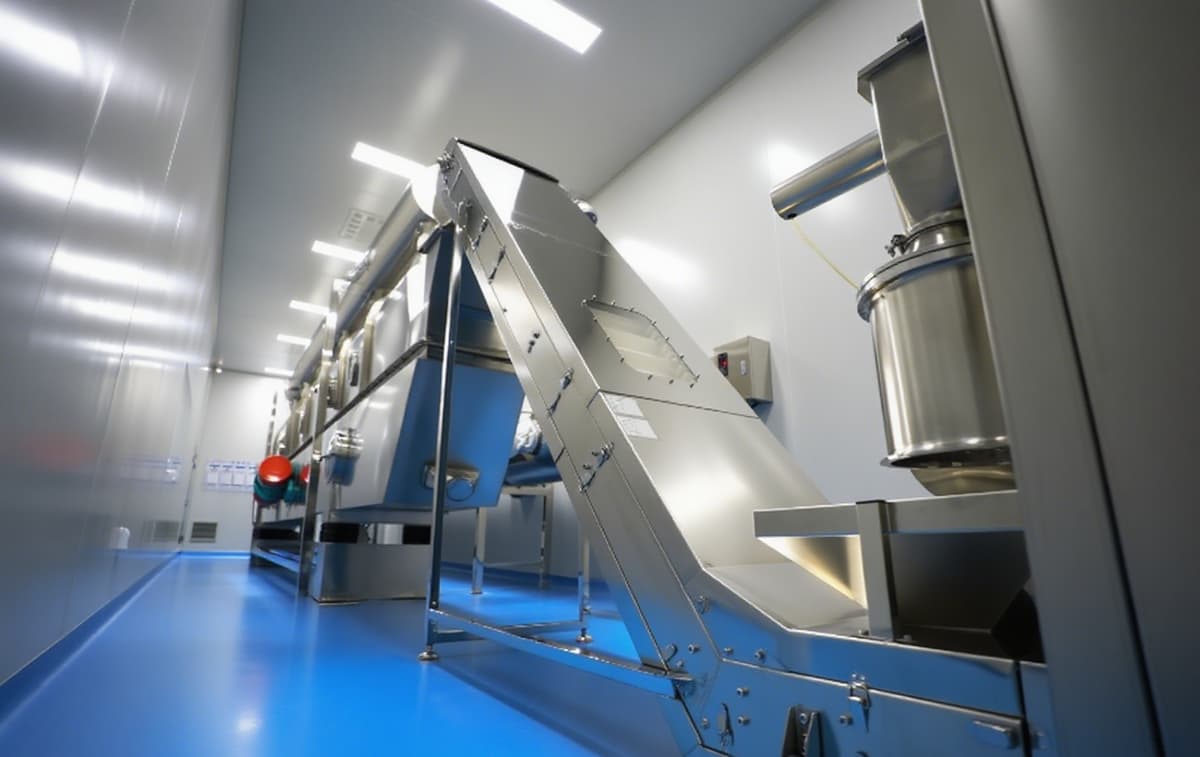
Tras la cristalización y el secado, el producto se muele hasta la distribución de tamaño de partícula declarada, se mezcla para lograr la homogeneidad del lote y se envasa en condiciones de baja humedad para protegerlo contra la captación de humedad durante el almacenamiento y el transporte. Los programas de estabilidad cubren una vida útil estándar de 24 meses, con datos en tiempo real generados en condiciones de almacenamiento de 25 grados Celsius y humedad relativa moderada que reflejan la práctica de almacén, y se dispone de datos de estabilidad acelerada para respaldar los expedientes de registro de clientes en mercados regulados. Dado que la ruta de fermentación evita la química con uso intensivo de disolventes utilizada en algunos procesos heredados, ofrece un perfil de impurezas más limpio que resulta más fácil de documentar para las revisiones de cumplimiento de alimentos y complementos alimenticios.
Aplicaciones de la D-ribosa
La D-ribosa es utilizada por marcas de complementos alimenticios y fabricantes por contrato en cuatro grupos de aplicaciones principales, cada uno basado en un mecanismo de acción distinto. En primer lugar, fórmulas de apoyo a la energía celular y al ATP, donde la ribosa aporta el esqueleto de carbohidrato necesario para la resíntesis de ATP tras el ejercicio de alta intensidad, un mecanismo examinado en investigaciones revisadas por pares sobre nutrición deportiva. En segundo lugar, fórmulas para el bienestar cardíaco y vascular que se apoyan en una tradición de investigación sobre el metabolismo energético del miocardio documentada en la literatura clínica, en la que la ribosa se ha estudiado como sustrato energético para el tejido cardíaco sometido a estrés metabólico y no como tratamiento de ninguna enfermedad; estos dos grupos representan la mayor parte del volumen comercial de ribosa a nivel mundial.
En tercer lugar, productos de recuperación deportiva y resistencia que posicionan la D-ribosa como apoyo a la resíntesis de ATP en contextos de entrenamiento de alta intensidad descritos en la literatura de ciencias del deporte sobre esfuerzos repetidos de esprint e intervalos. En cuarto lugar, sistemas edulcorantes bajos en azúcar y de bajo índice glucémico, donde algunos formuladores combinan ribosa por su dulzor limpio, reconociendo al mismo tiempo que se trata de un azúcar con sus propias calorías y aporte glucémico, motivo por el cual la dosificación por peso es la norma del sector y no la dosificación equivalente en dulzor. Los tamaños de ración comerciales habituales oscilan entre 2 y 5 gramos al día en fórmulas de energía, recuperación y bienestar, y los niveles finales los determina la propia revisión normativa y el cumplimiento del etiquetado de cada marca en el marco de la normativa alimentaria y de complementos alimenticios aplicable.
Fabricación & Control de calidad
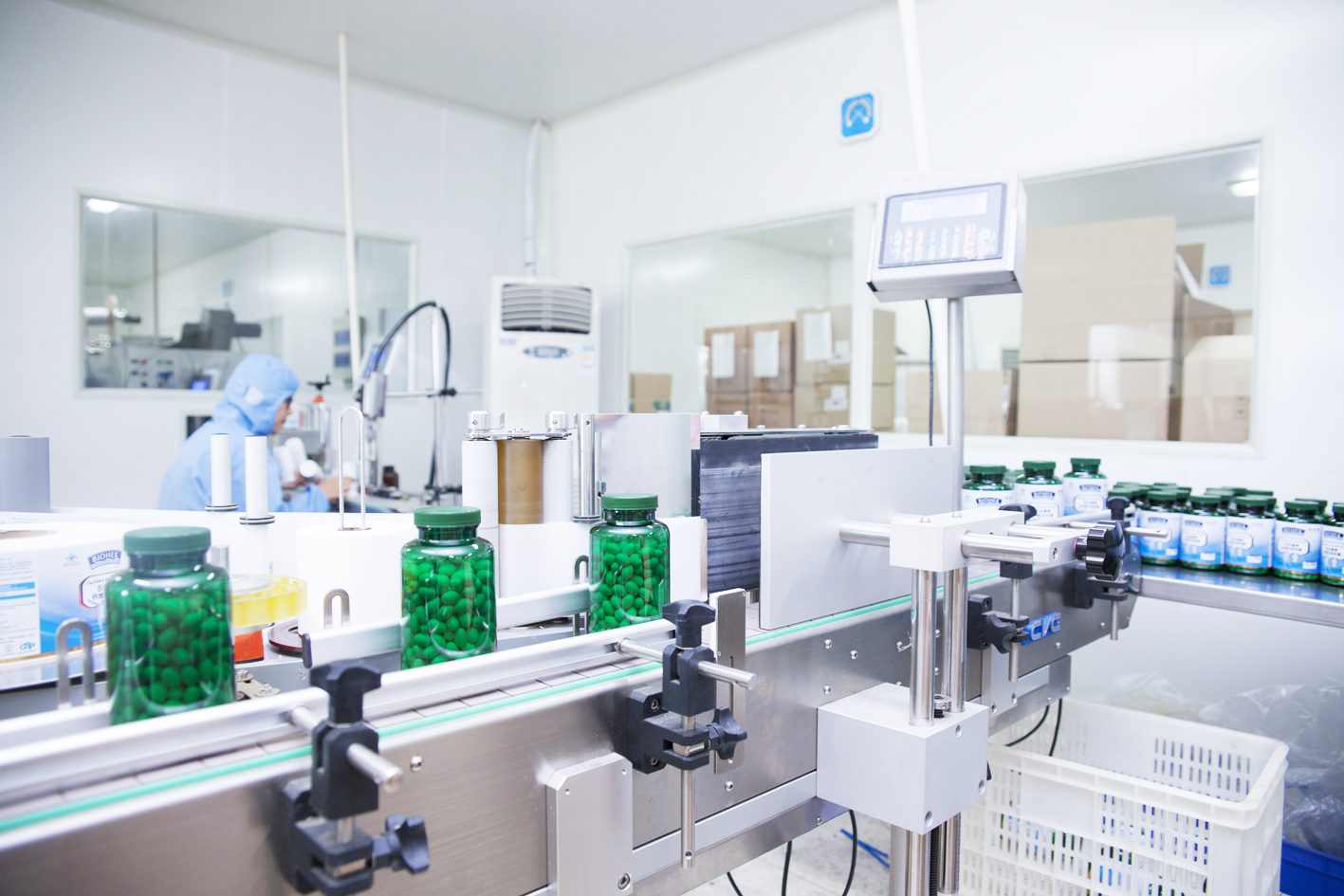
Cada lote comercial de D-ribosa de Purecium se produce bajo sistemas de gestión de calidad certificados ISO 9001 y FSSC22000 en instalaciones que cumplen las cGMP y con controles HACCP implementados. El control del producto terminado incluye la valoración por HPLC con un mínimo del 98.0 por ciento, la pérdida por desecación, los metales pesados dentro de los límites de la USP, incluidos plomo, arsénico, cadmio y mercurio controlados a niveles de ppm de un solo dígito o inferiores, las pruebas de disolventes residuales según los métodos de la USP y un panel microbiológico completo. Cada envío se libera con un Certificado de Análisis (CoA) que documenta todos los parámetros medidos, con métodos que siguen las referencias compendiales vigentes.
Dado que la D-ribosa es higroscópica, el programa de calidad aborda la estabilidad como un ejercicio de control de la humedad: el envasado hermético de grado alimentario, el almacenamiento controlado por debajo de 25 grados Celsius, los controles de prevención de apelmazamiento en las muestras de retención y las directrices documentadas de reanálisis respaldan en conjunto una vida útil estándar de 24 meses, y los bidones abiertos deben volver a sellarse de inmediato después de la toma de muestras. La documentación que acompaña a cada pedido incluye la Ficha de Datos de Seguridad (SDS), la declaración de alérgenos, la verificación non-GMO y el certificado libre de BSE/TSE, mientras que las certificaciones Kosher y Halal respaldan la distribución en segmentos de mercado religioso y los procedimientos con referencia AOAC respaldan el trabajo analítico de apoyo.
D-ribosa para la fabricación B2B de complementos alimenticios
Purecium suministra D-ribosa cristalina y polvo fino a granel a distribuidores de complementos alimenticios, fabricantes por contrato (OEM/ODM) y propietarios de marcas de producto final, con un MOQ estándar de 25 kg, envasados en bidones de grado alimentario con doble bolsa de polietileno que impide la entrada de humedad. Las opciones logísticas incluyen transporte aéreo, cargas marítimas en contenedor (FCL/LCL) y envío urgente por mensajería, con apoyo de almacenamiento en Estados Unidos para el reaprovisionamiento rápido de las líneas de producción norteamericanas y exportación directa desde China para clientes de la UE, el Reino Unido y el resto del mundo.
Los socios comerciales reciben precios escalonados por volumen, muestras a escala piloto para evaluación de investigación y desarrollo, orientación sobre aplicaciones en formatos de bebida, sobres y comprimidos, e inteligencia de mercado proactiva sobre las tendencias de las materias primas. La empresa cuenta con más de 15 años de experiencia en exportación nutracéutica y un equipo dedicado de gestión de cuentas B2B que coordina la documentación COA, los trámites aduaneros y los dosieres regulatorios para mantener los plazos de lanzamiento según lo previsto, y cada lote es trazable desde el origen de la glucosa hasta el envasado final. Revisado por el responsable de Garantía de Calidad / Asuntos Regulatorios de Purecium para garantizar la exactitud técnica y la conformidad normativa.
Compra de D-ribosa para España y América Latina
Purecium suministra D-ribosa a granel para fabricantes por contrato (CDMO), distribuidores de ingredientes y marcas propias en España, México, Argentina, Chile, Perú, Colombia y Uruguay. MOQ estándar de 25 kg, muestras gratuitas con COA, plazo de 7 a 15 días para calidades en stock y atención comercial en español con respuesta en 12 horas hábiles; las condiciones de pago (50 % de anticipo y 50 % contra documentos de embarque) y los Incoterms (FOB Hong Kong, CIF o DDP) son negociables según volumen e historial.
Para el trámite de registro sanitario entregamos el paquete documental (COA por lote, ficha técnica/TDS, FDS y certificados GMP, ISO 9001, FSSC 22000, Kosher y Halal): control de calidad y documentación · fabricación por contrato (OEM/ODM) · solicitar cotización.
Revisado por el jefe de Garantía de Calidad / especialista en Asuntos Regulatorios.
Logística y registro sanitario de D-ribosa para América Latina
Purecium exporta D-ribosa a granel a México, Colombia, Perú, Chile, Argentina y otros mercados latinoamericanos. Los pedidos se despachan desde Hong Kong por vía aérea o marítima (contenedor completo o consolidado), según el Incoterm acordado (FOB Hong Kong, CIF o DDP); el tránsito hasta el puerto de destino, los requisitos de importación y los aranceles se confirman en cada cotización.
Para el registro sanitario local, los fabricantes y distribuidores presentan la documentación técnica ante la autoridad de su país: COFEPRIS en México, INVIMA en Colombia, ANMAT en Argentina, ISP en Chile y DIGEMID en Perú. Con cada lote entregamos COA, ficha técnica (TDS), FDS y certificados GMP, ISO 9001, FSSC 22000, Kosher y Halal; la atención comercial es en español, con respuesta en 12 horas hábiles. También abastecemos a clientes de Norteamérica (Estados Unidos y Canadá) desde nuestro almacén en Estados Unidos, con reposición rápida para líneas de producción en esa región.